
Electrical Remodeling Checklist: What Homeowners Need to Know Before Starting
You finally pulled out the old cabinets, and now you are standing in the bare studs of your kitchen with a tape measure in one hand and a growing list of questions in the other. The island you sketched needs power. The new range pulls more than the old one ever did. And those three outlets buried behind the drywall sit nowhere near where the coffee station is going. This is the moment most remodels hit their first real snag, and it has nothing to do with paint colors or backsplash tile.
Here is the one thing to settle before anything else moves forward. Your electrical plan has to come before demolition, not after. Wiring decisions shape where walls open, how much your panel can carry, and whether the finished space passes inspection on the first pass. We have walked into hundreds of remodels where the wiring got treated as an afterthought, and the fix always eats more time than planning ever would have. Sort the power first, and the rest of the project falls into place around it.
Start With What Your Panel Can Actually Handle
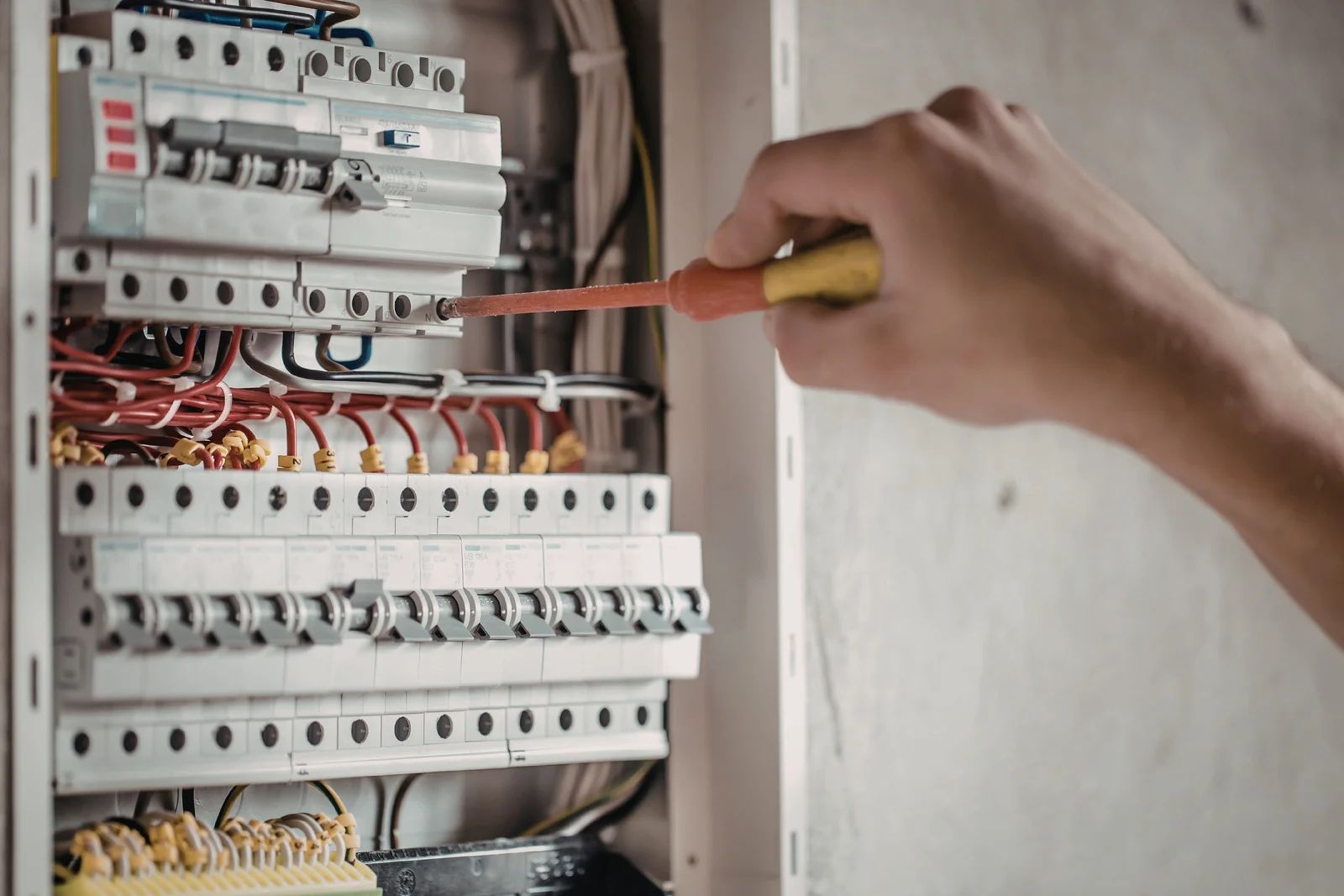
Your service panel sets the ceiling for everything you are about to add. Most homes built before the late 1990s run on a 100 amp panel, and plenty of older houses still carry 60 amp service that was sized for a much simpler set of appliances. A modern remodel that brings in a larger range, a built in microwave, a row of recessed lights, and maybe a hot tub or a garage heater can push that older panel right to its limit.
Before you fall for a layout, count the loads. Add up the dedicated appliances you plan to bring in, then check how many open breaker slots you have left. If the panel is full or nearly full, you are looking at a service upgrade, and that single decision reshapes the whole timeline. The warning signs show early. Breakers that trip when two appliances run at once, zero empty slots, or any browning near the breaker faces all point to a service already stretched thin.
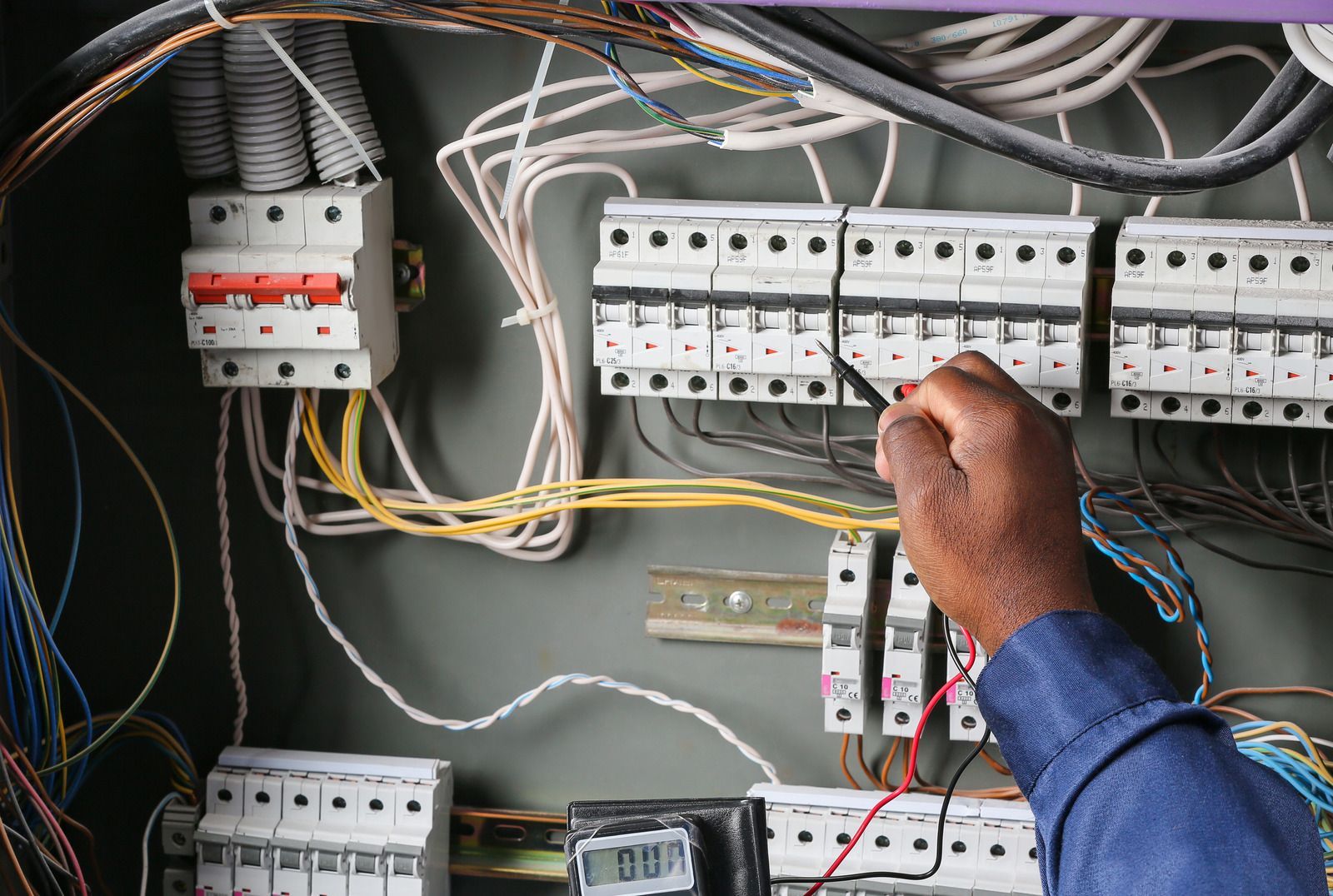
WARNING: Never open your panel cover to count slots or poke around inside while the main is live. The lugs feeding that panel stay energized even when every breaker is off, and contact there can be fatal. Counting breakers from outside the cover is fine. Anything past the cover is our job.
Map Every Circuit Before a Single Wall Opens
The easiest moment to move a circuit is while the studs are bare. Once the drywall goes back up, every change means cutting, patching, and repainting. So walk the space room by room and mark where you want power, light, and switches before the first wire gets pulled.
Think in dedicated circuits, not just outlet count. A kitchen needs separate small appliance circuits so the toaster and microwave are not fighting over one breaker. Bathrooms, laundry areas, and any spot near water need ground fault protection. If an EV charger or a workshop is anywhere in your future, run the capacity now while the walls are open, even if you install the unit later. Lighting needs the same forethought. Decide where you want switches, dimmers, and three way control before framing closes in, because moving a switch box after the fact is one of the most avoidable redo jobs we see.
TIP: Walk each room with blue painter tape and mark every outlet, switch, and fixture at the exact height you want it. Live with the marks for a couple of days before finalizing. You will catch the missing outlet behind the nightstand long before the drywall hides the mistake.
Where Remodels Tend to Go Sideways
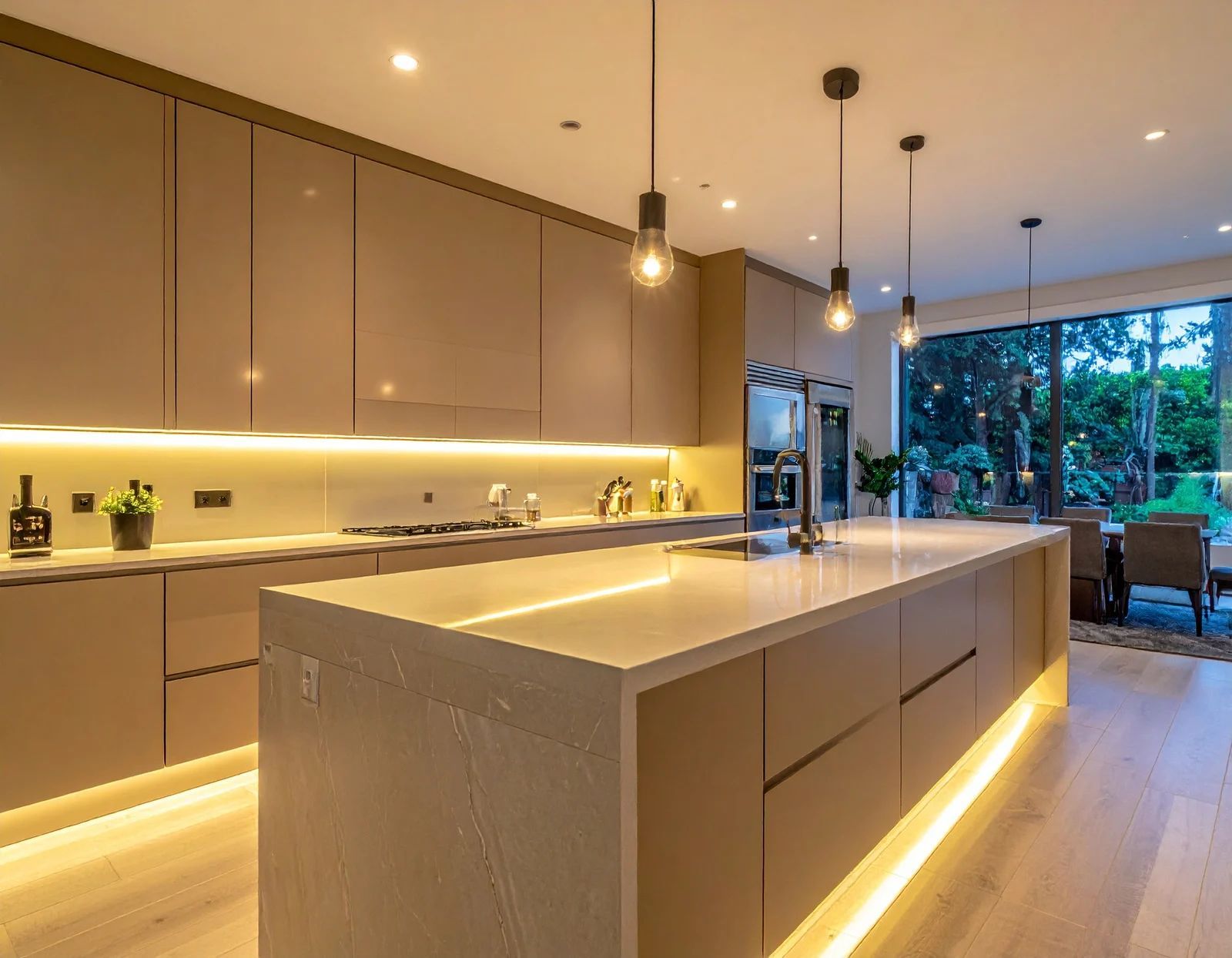
Kitchens carry the heaviest load in the house, and they are where undersized planning shows up first. Counter outlets, under cabinet lighting, a vent hood, and a dishwasher each want their own circuits, and cramming them onto too few breakers means nuisance trips for years. Bathrooms come second, since heat lamps, exhaust fans, and heated floors add up faster than people expect. Basements and garages get skipped entirely, then suddenly need power for a freezer or a charger. Additions are their own animal, since a new room often sits too far from the panel to tap an existing circuit without a fresh home run.
Why Loveland Winters Change the Electrical Math
Cold drives load here. When the temperature drops into the teens for days at a stretch, electric heaters, heat tape on pipes, garage warmers, and hot tubs all fire at once, and that combined draw is what tips an older panel over the edge. Holiday lighting stacks even more onto the same months. If your remodel adds winter load, plan the panel around the coldest week of the year, not a mild afternoon.
The housing mix matters too. Older homes near the historic core were wired for a fraction of today's demand, and some still carry aluminum branch wiring that needs the right connections under heavier use. Newer east side builds have more headroom, but were never sized for a hot tub plus an EV charger plus a finished basement. Foothill properties west of town run well pumps and longer service runs, which changes how we size everything. The dry air is easy on outdoor connections, but freeze and thaw swings are hard on anything exposed, so weatherproofing outdoor circuits is not optional here.
Mistakes We See Again and Again
The most common one is reasonable on its face. People plan the kitchen they want, then assume the existing electrical can stretch to cover it. It usually cannot, and the discovery comes at the worst possible time, after cabinets are hung. The fix is simple. Get the panel assessed before you finalize the layout, not after.
A close second is burying junction boxes inside finished walls to save a little routing trouble. Every connection has to stay accessible, and a covered box becomes an invisible hazard that no future owner can find when something fails. The third is treating inspection as a hurdle instead of a backstop. That sign off catches the loose neutral or overloaded circuit before it becomes a fire, and skipping it to save a few days is the kind of shortcut that surfaces years later when you sell.
When to Stop and Bring Us In
Some of this you can plan yourself. Marking outlet locations, sketching your lighting, and counting your appliance loads is work a capable homeowner should do. But the moment the work touches the panel, adds a circuit, or involves anything behind a wall, that is where field experience earns its keep. We frequently find DIY remodel wiring that looks finished and tests live but hides an undersized wire, a missing ground, or a circuit carrying more than it should. None of that shows until it heats up. If you smell hot plastic, see scorch marks, or have breakers that trip for no clear reason, stop and call before the next coat of paint goes on.
FAQ
When should I involve an electrician in my remodel?
Bring one in during the design phase, before demolition. Early input on panel capacity and circuit layout prevents redo work and keeps your timeline on track once walls start opening.
Do I always need a permit for remodel electrical work?
Most circuit additions and panel changes require one, and the inspection protects you. We handle the paperwork and coordinate the sign off so your finished work is documented and safe.
Will my existing panel handle a kitchen remodel?
Sometimes, but a full kitchen with new appliances and lighting often exceeds older 100 amp service. We assess your loads first, so you know before cabinets are ordered whether an upgrade is needed.
Can I move outlets and switches myself during a remodel?
Planning their placement, yes. Wiring them, no. Anything connected to a live circuit carries real shock and fire risk, so leave the connections to a licensed electrician who can verify the work.
Why does my remodel need so many separate circuits?
Modern appliances each draw heavy current. Splitting them across dedicated circuits stops one breaker from carrying more than it should, which prevents nuisance trips and keeps everything running safely under Loveland winter loads.
Choose Experienced Electricians for Your Next Remodel Project
The single principle worth carrying through your whole project is this: settle the electrical plan before demolition, because power decisions shape every wall, every appliance, and every inspection that follows. That matters more here than in milder places, since Loveland winters stack heating, heat tape, and holiday loads onto one panel during the coldest weeks, and older homes around town were rarely wired for it. At RCI Electric, we have spent 17
years planning and wiring remodels across Loveland, Colorado, from the historic downtown core to the east side developments and the foothill properties to the west. Our licensed and insured electricians will walk your space before the first wall opens. Call us to plan your
remodel wiring
right the first time.