
How to Upgrade Your Home Lighting for Better Efficiency and Style
Quick Answer: Upgrading your home lighting for better efficiency and style comes down to a few decisions working together. Switch aging fixtures and bulbs to LED to cut your lighting energy use sharply and stop replacing burned-out bulbs every few months. Pick the right brightness (lumens) and color temperature (Kelvin) for each room so the light flatters the space instead of fighting it. Layer ambient, task, and accent lighting so a room can shift from bright and functional to warm and relaxed. Add dimmers and smart controls for both mood and savings. Anything involving new circuits, fixture wiring, or recessed cans belongs with a licensed electrician, since that work sits behind your walls and inside your panel.
You flip a switch and the room lights up, so it's easy to treat lighting as finished business. But dated fixtures, harsh bulbs, and a single glaring ceiling light quietly shape how your home looks and feels every evening, and they can waste a surprising amount of energy while they do it. A good lighting upgrade is one of the highest-impact changes you can make in a house. It shifts the mood of a room, makes everyday tasks easier on your eyes, and trims your power use at the same time. Most of the decisions are yours to make and enjoy. The parts that aren't are exactly where a licensed electrician earns their keep. This guide walks through how to plan an upgrade that looks better and runs leaner, and where the line sits between a safe do-it-yourself swap and a job for a pro.
Start With Safety, Even for a Simple Swap
Before any talk of fixtures or color, a word on safety, because lighting work runs from perfectly harmless to outright dangerous depending on what you touch.
Changing a bulb is fine. Opening a fixture is not the same thing
Swapping an old bulb for an LED in a working fixture is a normal homeowner task. But the moment you unscrew a fixture, disconnect wires, or cut drywall for a recessed can, you're working with live circuits that can shock, arc, or start a fire. Those jobs call for a pro.
Old wiring changes the picture
Plenty of established homes across Northern Colorado have wiring that predates modern fixtures and controls. Hang a heavy fixture on a box never meant to carry the weight, or load it with bulbs it was never rated for, and you've set up a quiet mistake. Have older wiring checked first.
Efficiency First: What Switching to LED Actually Changes
The single biggest efficiency win in home lighting is moving fully to LED, and the numbers behind it are hard to argue with.
LEDs use a fraction of the energy
The U.S. Department of Energy puts residential LED lighting at least 75 percent below the incandescent bulbs it replaces, and against the least efficient bulbs the savings near 90 percent. Old bulbs waste most energy as heat, so they run hot.
They last far longer, so you climb the ladder less
Quality LEDs last up to 25 times longer than incandescent bulbs. In a two-story stairwell, a vaulted ceiling, or a hard to reach exterior fixture, that lifespan matters as much as the energy savings. Years between replacements instead of months.
Less heat is its own reward
Because LEDs run cool, they put less thermal stress on fixtures and add less to your cooling load in summer. In a kitchen packed with recessed lights, you can actually feel the difference on a hot afternoon.
Shop by lumens, not watts
Old habits push us to buy bulbs by wattage, but wattage only tells power drawn, not brightness. Brightness is measured in lumens. The old 60-watt bulb put out around 800 lumens, a 100-watt around 1,600. Read lumens for brightness.
Getting the Look Right: Color Temperature and Quality
Efficiency lowers the bill. Style is what makes a room feel finished, and most of that comes down to the color of the light and how honestly it shows your space.
Color temperature sets the mood
Light warmth is measured on the Kelvin scale, and it matters more than most expect. Warm white at 2700 to 3000 Kelvin suits living rooms and bedrooms. Neutral white at 3500 to 4100 Kelvin works in kitchens and baths. Daylight above 5000 Kelvin fits garages. Keep the tone consistent per space.
Color rendering decides how everything looks under the light
The Color Rendering Index, or CRI, describes how truthfully a bulb shows the colors around it, on a scale up to 100. A low-CRI bulb makes food look gray and paint look wrong. Look for LEDs rated 80 or higher generally, and 90 or higher where color matters.
TIP: Buying bulbs for a whole room? Buy one first and live with it for an evening before you commit to a dozen. Color temperature and brightness look different in your actual space, with your wall color and furniture, than they do on the store shelf. One test bulb saves you from relamping the same room twice.
Layering Light for Both Style and Function
The biggest style jump in most homes isn't a single fancy fixture. It's getting away from one central ceiling light and building layers you can adjust to the moment.
Ambient light is your base layer
This is the general glow that fills a room, usually from ceiling fixtures or recessed lighting. Recessed cans give a clean, modern look and spread light evenly without a bulky fixture stealing the show. Aim for comfortable overall brightness.
Task light does the actual work
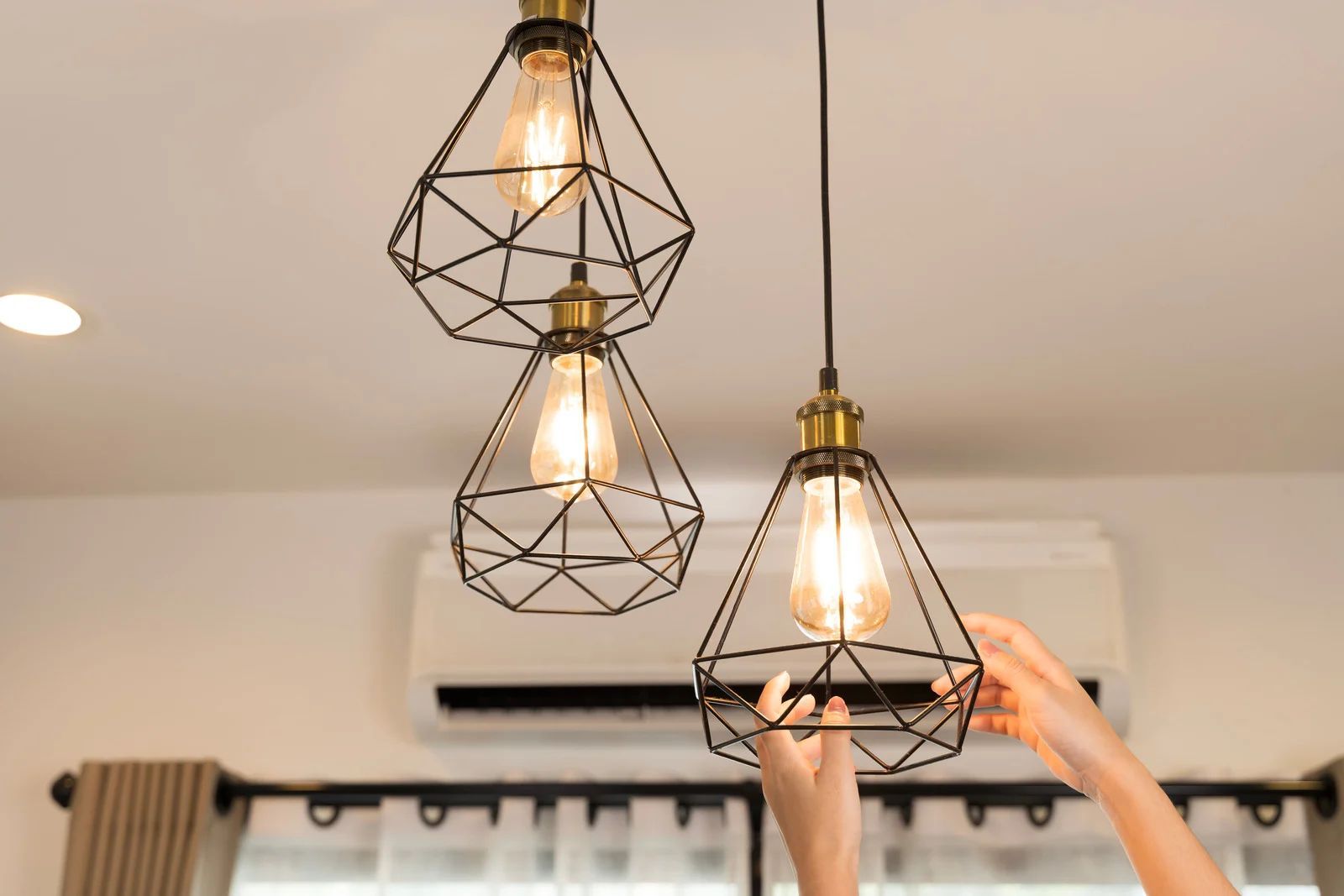
Task lighting goes where you get things done: under-cabinet strips over a counter, a pendant above the island, or a fixture over the mirror. It cuts eye strain and kills the shadows you cast over your own work. Older homes lack this.
Accent light is where the style lives
Accent lighting is the finishing move that makes a space feel designed. It highlights art, washes a textured wall, or lights a bookshelf. When all three layers are wired to work separately, one room shifts from bright and practical to soft and low.
Dimmers, Smart Switches, and Controls
Controls are where efficiency and style shake hands, because being able to tune the light down is both a mood tool and a way to save power.
Dimmers pull double duty
Dim a light and you lower its brightness and its energy draw at once, and the room's whole feel changes with it. The catch with LEDs is compatibility. Pair dimmable LED bulbs with a dimmer rated for LED loads and flickering usually disappears.
Smart controls add convenience and quiet savings
Smart switches and dimmers let you set schedules, run lights from your phone, and group them into scenes. Past convenience, schedules and motion sensing keep lights on only when needed, trimming waste. Outside, timers and sensors also do real security work.
WARNING: If your home has older wiring, adding dimmers and smart switches isn't always a simple swap. Many smart switches need a neutral wire that older boxes may not have, and pairing the wrong dimmer with an LED load can cause overheating, buzzing, or early failure. Before you rewire a bank of switches or roll controls out across the house, have a licensed electrician confirm your boxes and circuits can carry them safely. Guessing here leaves you with flickering lights at best and a wiring hazard at worst.
Where Your Job Stops and a Pro's Begins
A smart lighting plan knows which parts you can handle and which ones belong to a professional, so you get the look you're after without taking on risk.
What you can safely do yourself
Swapping bulbs in existing fixtures for the right LEDs, choosing color temperatures room by room, picking out fixtures and styles you love, and mapping where you want more light are all yours. This is the fun part, and none opens a live circuit.
What belongs with a licensed electrician
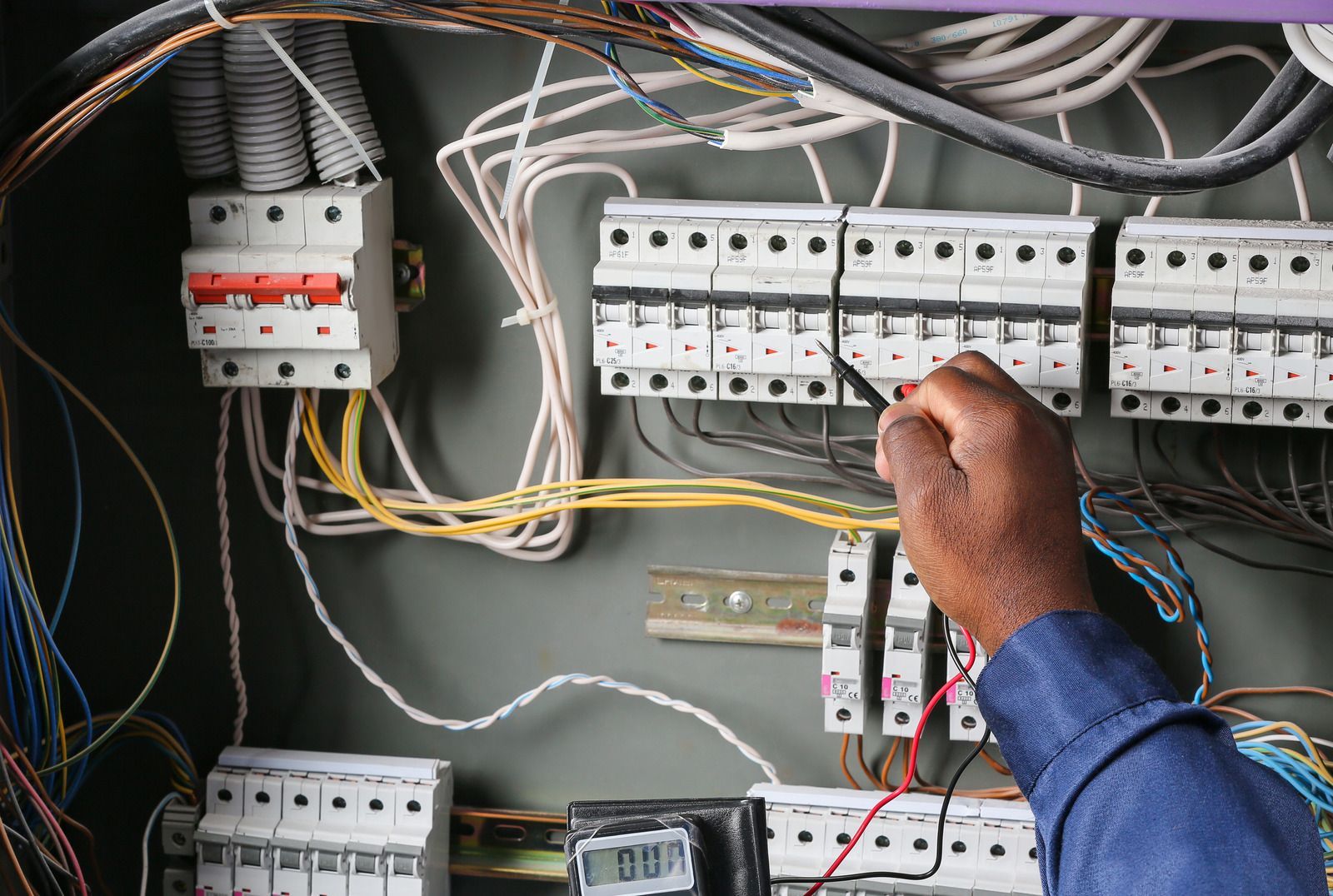
Installing new fixtures, adding recessed lighting, running new circuits, replacing switches with smart controls, and fixing unsafe wiring are all licensed work. A pro cuts the power, checks that your boxes and circuits carry the load, and makes connections that stay safe.
Frequently Asked Questions
Are LED bulbs really worth switching to throughout the house?
Yes. Residential LEDs use at least 75 percent less energy than incandescent bulbs and last up to 25 times longer, cutting energy use and maintenance. They run cooler and deliver excellent light when matched properly.
What color temperature should I use in each room?
Living rooms and bedrooms want warm white near 2700 to 3000 Kelvin. Kitchens and bathrooms suit neutral white near 3500 to 4100 Kelvin. Garages want daylight above 5000 Kelvin. Keep tones consistent within each space.
Why do my LED lights flicker or buzz on a dimmer?
Usually the bulb or dimmer isn't matched for LED use. Many LED bulbs don't dim, and older dimmers suit incandescent loads. Pair dimmable LED bulbs with an LED rated dimmer. Persistent flicker suggests wiring problems.
Can I install recessed lighting myself?
No, not safely. Recessed lighting means cutting the ceiling, running wiring, tying into a circuit, and confirming fixtures suit their spot. That's licensed electrical work. Pick your locations and styles, then let a pro install.
How do smart switches make my home more efficient?
They schedule, dim, and switch off lights when rooms empty, so they run only when needed. Dimming lowers energy directly, and motion controls cut waste. Confirm your boxes carry the neutral wire smart switches require.
Will upgrading my lighting help my home's resale appeal?
Often yes. Buyers notice bright, current spaces, and layered LED lighting beats a single dim bulb per room. Exterior and landscape lighting adds curb appeal and nighttime security. Since lighting touches everywhere, upgrades show clearly.
Brighter, Leaner, and Built to Last
A great lighting upgrade is really a handful of small decisions pulling the same direction. LED efficiency to lower your power use. The right brightness and color temperature to make each room feel right. Layered ambient, task, and accent light for flexibility. Dimmers or smart controls to fine-tune both the mood and the savings. The planning and the bulb choices are yours to enjoy, and the wiring, fixtures, and controls behind the walls are where a licensed pro keeps the whole system safe and running as one. Get both halves right and your home looks better every evening while quietly costing you less to light.
Good lighting should be safe, efficient, and something you actually enjoy living with, not a trade-off between the three. RCI Electric
designs and installs full lighting upgrades for homes and properties across Loveland, Colorado, from whole home LED conversions and recessed interior lighting to exterior and landscape fixtures and smart switches, dimmers, and automated controls tuned to your space. With 17
years of licensed experience across residential, commercial, industrial, and agricultural work, our team handles the wiring, fixtures, and controls as one coordinated system built to last. Reach out to RCI Electric
to schedule your lighting assessment and start planning a brighter, more efficient home.