Backup And Alternative Power Systems For Homes In Northern Colorado
This is what you notice the moment everything else shuts off.
Severe weather rolls in off the Front Range, the power grid drops out, lights go dark, heating units shut down, and home electronics cut out instantly.
Unless you have planned for it.
Backup and alternative power systems are far more than just auxiliary equipment sitting in a utility space. They are engineered energy infrastructures designed to keep your home comfortable, safe, and fully functional when the electrical grid fails, or to give you greater control over how your home consumes energy day to day.
For some homeowners, it is about keeping refrigerators, medical equipment, and sump pumps running through winter storms. For others, it is about reducing reliance on utility power altogether.
In homes across Fort Collins, Loveland, Windsor, and surrounding Northern Colorado communities, utility outages and growing energy demands make backup and alternative power an essential part of modern home planning.
Overview Of Backup And Alternative Power Solutions
Backup Power For Homes
Determining what stays on when the grid goes dark is the core foundation of home power protection.
- Essential lighting grids, refrigeration, and kitchen circuits
- Continuous HVAC heating, well pumps, and sump pumps during winter storms
- Uninterrupted power transfer for remote work setups and medical equipment
Learn how home power protection is structured: Backup Power for Homes.
Whole Home Vs Partial Backup Systems
Not every power backup setup is built for the same operational scope.
- Whole-Home Backup: Engineered to carry your property’s entire electrical load, including high-draw central air conditioning, double ovens, and EV chargers.
- Partial (Essential Load) Backup: Isolates critical branch circuits, such as refrigeration, heating controls, lighting, and internet hubs, onto a dedicated subpanel to maximize fuel or battery life.
Compare system architectures and load choices: Whole-Home vs. Partial Backup.
Generator Vs Battery Backup Systems
Both technologies solve grid interruption, but operate under completely different energy dynamics.
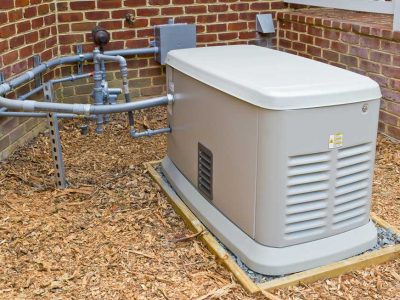
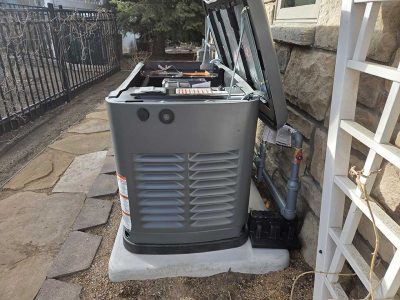
- Standby Generators: Fueled continuously by natural gas or liquid propane (LP) to supply high-wattage power indefinitely during multi-day outages.
- Battery Systems: Store energy silently using lithium technology, offering instantaneous zero-delay switching, peak-shaving capabilities, and seamless solar integration.
- Hybrid Systems: Combining a battery bank for immediate, silent night-time power with a standby generator to handle heavy loads and recharge batteries during prolonged outages.
Discover technology differences and hybrid combinations: Generator vs. Battery Backup.
Energy Independence And Alternative Power Systems
Systems designed to go beyond simple emergency coverage and actively manage daily energy generation.
- Grid-tied solar PV systems paired with energy storage
- Alternative wind generation where property acreage permits
- Hybrid smart power systems designed to minimize or eliminate grid reliance over time
Explore long-term energy generation and storage: Energy Independence & Alternative Power.
Smart Load Management And System Design
Integrating backup power into a residential distribution system requires precise engineering. Connecting a generator or battery system without calculating continuous and peak surge loads will cause system stalls or disengaged breakers the moment heavy equipment turns on.
Key system components include:
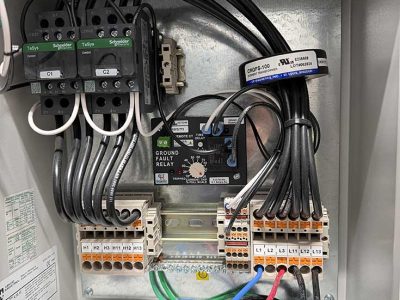
- Automatic Transfer Switches (ATS): Safely disconnecting your home from the utility grid within seconds of an outage, preventing dangerous power backfeeding into utility lines while powering your emergency panel.
- Smart Panels & Load Management: Intelligent load shedding modules that monitor total energy consumption in real time, pausing non-essential high-draw appliances like clothes dryers or hot tubs if total demand approaches backup capacity limits.
- Dedicated Critical Load Subpanels: Grouping essential 120V and 240V branch lines into a secondary panel so a smaller, more efficient backup system can run essential circuits for days.
Proper system integration ensures clean, stable power transfer without flickering lights or damaged digital controls. Learn about dynamic energy monitoring: Smart Panels & Load Management.
Related Pages
Explore these related service pages to learn more about standby generators, batteries, and load planning:
- Backup Generators & Automatic Transfer Switches
- Battery Backup Systems
- Smart Panels & Load Management
- Load Calculations & Electrical System Planning
- 240V & High-Demand Circuits
Frequently Asked Questions
It depends on your specific goals. Standby generators excel at powering heavy loads over long, multi-day outages using natural gas or propane lines. Battery systems provide instant, silent power transfer, require minimal routine engine maintenance, and can charge daily using solar energy or off-peak grid power.
Yes. Whole-home backup setups are sized to absorb all 120V and 240V loads on your property. Achieving whole-home coverage requires sizing a large standby generator, typically 20kW to 26kW+, or pairing multiple battery storage units with a smart load management panel.
Whole-home backup feeds your entire main distribution panel, keeping every switch, outlet, and major appliance active. Partial, or critical load, backup routes only high-priority circuits, such as refrigerators, furnace blowers, well pumps, and select lighting, to a dedicated emergency subpanel.
Yes. When paired with an Automatic Transfer Switch (ATS), a standby generator constantly monitors utility line voltage. If grid power drops for more than a few seconds, the ATS automatically signals the generator to start, transfers the power source, and restores household power even if you are away from home.
Yes. Home battery systems can charge directly from the grid during normal operation. During an outage, the battery supplies stored grid energy to your home until depleted or until utility power returns.
Yes. Hybrid energy systems integrate both technologies. The battery handles instant power transfer and runs light household loads silently, while the standby generator turns on automatically only when high-demand appliances run or when the battery bank requires recharging.
Standby generators connected to a continuous municipal natural gas line can run for weeks uninterrupted. Battery systems last based on their kilowatt-hour (kWh) capacity and household consumption, typically ranging from 8 to 24 hours per battery module before requiring solar or generator recharging.
In many cases, adding a backup system requires installing an Automatic Transfer Switch or a critical load subpanel alongside your main panel. If your existing panel is full or lacks proper neutral and ground isolation capabilities, a panel upgrade or subpanel addition will be necessary.
Standby generators feature internal combustion engines that require periodic oil changes, air filter replacements, spark plug maintenance, and weekly automatic self-test cycles. Lithium battery systems require virtually no active physical maintenance.
The most common mistake is miscalculating starting wattage, or surge load, for motor-driven appliances like air conditioners, well pumps, and refrigerators, leading to an undersized backup system that stalls or trips when heavy equipment engages.
Recent Projects

Schedule Professional Backup And Alternative Power Services
Backup and alternative power systems should be engineered for absolute reliability, safe grid isolation, and complete peace of mind. At RCI Electric, we design and install custom backup power systems that match your home’s exact energy profile, keeping your property safe and fully operational when it matters most.
Call (970) 294-1208 or fill out our online form to schedule your expert service evaluation today.