Kitchen Remodel Electrical for Homes in Northern Colorado
A well-designed kitchen does not just look good, it feels right.
Imagine walking in at night:
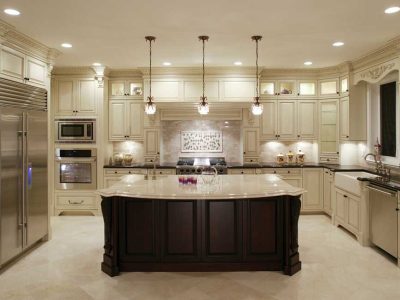
- Soft, warm under-cabinet task lighting illuminates the stone countertops cleanly
- A low-glare, decorative fixture highlights the center island
- Subtle toe-kick lights along the baseboards cast a warm glow across the floor
- Glass cabinet doors softly showcase interior glassware from within
- Indirect upper-cabinet illumination adds dimension to high ceilings
When every circuit, fixture, and control is planned together, the room comes together in a way that feels clean, balanced, and completely intentional.
In homes across Erie, Lafayette, and Longmont, the kitchens that truly stand out are not just about high-end cabinets and quartz counters. They stand out because of how the lighting, switch layout, and electrical power work together behind the scenes.
What Makes a Kitchen Feel Finished
Most remodeling projects focus strictly on cabinet styles, counter slabs, and appliance brands. What actually dictates how the space feels day to day is:
- Where the light beams strike your work surfaces
- How effectively lighting is layered across different heights
- How stable and consistent the electrical power stays under heavy appliance load
A Real World Kitchen Transformation
We recently worked on a kitchen in Lafayette where the homeowner had already invested heavily in custom cabinetry and stone countertops. On paper, it looked like a high-end space. In reality, the lighting did not match the quality of the materials:
- A single ceiling light over the island left dark corners across the room
- Deep shadows covered the primary chopping and preparation areas
- The room lacked visual depth and felt completely flat after dark
We redesigned the entire electrical and lighting framework:
- Installed continuous under-cabinet task lighting across every counter run
- Added subtle toe-kick accent lighting along the base cabinetry
- Integrated low-voltage accent lights inside the glass display cabinets
- Recalculated recessed ceiling fixture spacing to eliminate dark gaps
- Tied the entire room into a Lutron RA3 smart lighting system for seamless scene control
Instead of a messy bank of wall switches, the room now operates on simple, custom-programmed keypads.
A few weeks later, the homeowners told us they had completely changed how they used their home at night. They were sitting together at the island, sharing meals and spending family time in the kitchen rather than grabbing food and leaving the room. Nothing about their cabinets or countertops had changed, but the lighting transformed how the space functioned.
When kitchen electrical is done right, nothing stands out awkwardly, yet everything works effortlessly.
What Kitchen Remodel Electrical Actually Includes
Behind a finished, high-performance kitchen is a coordinated electrical system:
- Dedicated Appliance Circuits: Individual branch lines for power-hungry cooking and cooling units.
- Countertop Circuit Distribution: Multi-circuit 20-amp small appliance branch lines to prevent nuisance breaker trips.
- Layered Lighting Layout: Strategic combination of ambient, task, accent, and decorative fixtures.
- Outlet and Switch Relocation: Moving devices into backsplash tile, pop-up island modules, or hidden cabinet strips.
- Circuit Expansion: Adding new lines to accommodate high-draw modern kitchen technology.
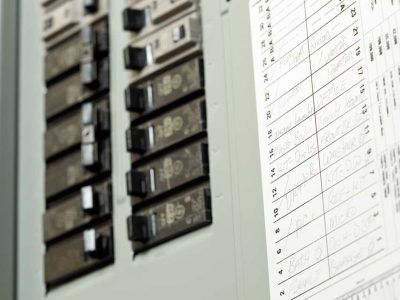
- System Load Evaluation: Verifying that your main breaker panel has adequate headroom for expanded power needs.
Everything must be planned together during the design phase rather than added piecemeal after framing is complete.
The Strategy of Layered Lighting
The most comfortable kitchens never rely on a single type of overhead light. Instead, they layer four distinct fixture types:
- General Ambient Lighting: Flush or recessed ceiling fixtures that provide overall visibility across the floor plan. Learn more about our whole-home lighting upgrades and how proper planning can improve your entire home’s lighting design.
- Task Lighting: Focused, low-profile fixtures positioned over preparation areas like sinks, counters, and cooktops.
- Accent Lighting: Dedicated beams that highlight textured tile, floating shelves, or interior cabinet displays.
- Decorative Fixtures: Centerpiece island pendants or chandeliers that establish a primary visual focal point.
Layering lighting eliminates harsh shadows, adds physical depth to the room, and allows you to adjust the ambiance easily from morning meal prep to evening entertaining.
Under Cabinet, Toe Kick And Cabinet Lighting
Secondary accent and task lighting are what separate a standard kitchen update from a truly custom space:
- Under-Cabinet Task Lighting: Eliminates shadows cast by overhead ceiling lights, delivering bright, crisp light directly onto counter prep zones.
- Toe-Kick Lighting: Flush-mounted floor-level LED runs that provide safe wayfinding light at night without turning on bright overhead cans.
- Interior Glass Cabinet Lighting: Low-voltage lighting tucked inside glass-front cabinets to highlight fine china and glassware.
- Above-Cabinet Accent Lighting: Uplighting mounted above upper wall cabinets to bounce soft light off the ceiling and make small rooms feel larger.
Discover additional options for concealed power solutions with our under-cabinet power systems.
Dedicated Appliance Circuits
Modern appliances draw significant current and require independent, dedicated branch circuits to operate safely without interfering with other electronics:
- Refrigerator: Requires a dedicated 15A or 20A line to prevent compressor startup surges from dimming kitchen lights.
- Over-the-Range Microwave: Draws high wattage during heating cycles and requires its own 20A branch line.
- Dishwasher And Food Waste Disposer: Need independent or properly split circuits equipped with mandatory GFCI protection.
- Electric Range, Cooktop And Wall Oven: Demand heavy-duty 30A, 40A, or 50A 240V dedicated lines.
Countertop Circuits And Load Distribution
Countertops are where electrical shortcuts become obvious. Code requires at least two independent 20-amp small appliance branch circuits serving kitchen countertop receptacles.
To prevent breaker trips when running high-draw small appliances like air fryers, espresso machines, blenders, and toaster ovens simultaneously:
- Alternate outlets across different 20-amp circuits along the counter run
- Position outlets logically near primary prep stations and appliance storage zones
- Incorporate modern concealed receptacles, such as pop-up outlets or undershelf power strips
Explore specialized outlet configurations through our specialty outlet systems and learn more about expanding electrical capacity with circuit upgrades and expansion services.
Relocating Outlets, Switches And Wiring
Kitchen remodels almost always alter how the room is used:
- Moving wall switches out of primary sightlines or consolidating clutter into smart control keypads
- Relocating receptacles to match new tile backsplash designs or island cabinet framing
- Rerouting older wiring through updated wall framing cleanly and to current code
Every layout adjustment must be coordinated precisely with cabinet installers and tile contractors before drywall goes up.
Electrical Load And System Planning
Modern kitchens consume significantly more power than older ones ever did. Running an induction cooktop, double wall ovens, built-in refrigeration, two dishwashers, and extensive LED lighting puts substantial demand on your electrical panel.
Without proper pre-construction load planning, you risk dimming lights whenever the microwave starts, nuisance GFCI tripping, or overloading main service breakers. Learn how we evaluate home capacity through our load calculations and electrical system planning services.
Real World Problems We Fix In Northern Colorado
In homes across Longmont, Erie, and Lafayette, we regularly correct kitchen wiring errors made during past renovations:
- Entire kitchens powered by only one or two shared 15-amp circuits
- Heavy appliances incorrectly wired onto countertop lighting or outlet lines
- Missing required GFCI or AFCI circuit protection
- Remodels completed without calculating panel headroom, leading to frequent main breaker trips
- Outlets installed in inconvenient locations or crowded onto single backsplash walls
Many of these issues require more than simple troubleshooting. Our electrical problems troubleshooting services help identify the source of electrical issues and determine the safest solution for your home.
When A Kitchen Remodel Requires A Panel Upgrade
If your kitchen remodel includes high-output induction cooking, commercial-grade refrigeration, or expanded luxury features, your existing 100-amp or 150-amp electrical panel may lack available breaker space or amperage capacity.
When a kitchen project requires service expansion, the focus expands into panel upgrading and main service distribution. Learn more about solutions such as electrical panel upgrades and service upgrades from 100A to 400A.
Related Pages
Explore these related service pages to learn more about kitchen electrical design and system planning:
- Remodels, Rewires And Additions
- Whole-Home Lighting Upgrades
- Under-Cabinet Power Systems
- Circuit Upgrades And Expansion
- Load Calculations And Electrical System Planning
- Switches And Dimmers
- Circuit Additions For Remodels
Frequently Asked Questions
A modern kitchen typically requires six to eight or more dedicated circuits, including two 20A countertop circuits, individual dedicated circuits for major appliances such as the refrigerator, microwave, dishwasher, disposer, and range, along with dedicated lighting circuits.
In many cases, yes. Changing cabinet layouts, moving walls, adding high-draw appliances, and bringing the space up to current GFCI and AFCI safety standards often requires running new copper branch lines.
It is not recommended. Kitchen lighting should be separated from countertop outlets and heavy appliances to prevent flickering when motors, compressors, or heating elements activate.
It depends on your current panel capacity and the appliances you choose. Adding high-draw equipment such as induction cooktops or double wall ovens may require additional capacity through solutions like a panel replacement or electrical service upgrade.
Older kitchens often have multiple countertop outlets, refrigerators, and lighting connected to shared circuits. Modern appliances can quickly overload these older electrical systems, causing frequent breaker trips. Learn more about why your breaker keeps tripping and what may be causing the issue.
Smart control systems replace multiple wall switches with clean, streamlined keypads. They allow homeowners to create customized lighting scenes such as “Prep,” “Cooking,” “Dining,” or “Night” with the touch of a button. For additional options, explore our smart controls and automation solutions.
Yes. If walls are open during a remodel, we can install concealed wiring and low-voltage drivers behind drywall. For finished kitchens, we can route wiring cleanly through existing spaces to keep the installation discreet.
Yes. National Electrical Code requires GFCI protection for kitchen countertop receptacles near sinks and other areas where electrical devices may come into contact with moisture. AFCI protection is also required for many kitchen branch circuits.
The most common mistake is failing to properly separate appliance loads and countertop circuits. Too many high-demand devices on one circuit can lead to nuisance breaker trips, overheating concerns, and unreliable performance.
A high-end kitchen electrical design combines balanced lighting, hidden wiring, smooth dimming, convenient outlets, and stable power distribution that allows multiple appliances to operate without interruptions.
Recent Projects







Schedule Professional Kitchen Remodel Electrical Services
A kitchen remodel should feel as incredible to use as it looks to view. At RCI Electric, we design and install kitchen electrical systems that support your layout, highlight your finishes, and power your appliances safely for years to come.
Call (970) 294-1208 or fill out our online form to schedule your expert service evaluation today.