240V & High-Demand Circuit Installation for Homes in Northern Colorado
Standard 120V circuits are not designed for high-demand equipment. While standard 120V branch lines handle general household needs like lighting and small electronics, higher-demand equipment requires a circuit designed to safely deliver more power.
That is where 240V circuits come in. They are engineered to provide higher power levels efficiently without overloading conductors or creating excessive heat inside your walls. When installed correctly, 240V circuits allow major appliances and heavy equipment to operate as intended. When they are not properly sized or installed, issues quickly appear, including nuisance breaker trips, voltage drops, and inconsistent performance.
At RCI Electric, we design and install high-demand circuits throughout Northern Colorado, including homes around Greeley and Evans where residential electrical demands continue to increase.
Why 240V Circuits Exist
Electrical systems were not always built the way they are today. Early residential systems relied on lower voltages that worked for basic lighting but were not efficient for powering larger equipment or delivering electricity over longer distances.
Modern electrical infrastructure uses alternating current (AC), allowing higher voltages to deliver more power while reducing current demand. This is why North American homes use a single-phase, split-system power supply:
- 120V Circuits: Created using one hot leg and a neutral wire for general lighting, receptacles, and everyday household devices.
- 240V Circuits: Created by connecting two ungrounded hot legs through a double-pole breaker to deliver 240 volts for high-demand equipment.
Delivering power at higher voltage reduces the amount of current required for the same wattage output. Lower current reduces heat generation along copper conductors, improves efficiency, and allows heavy equipment to operate without placing unnecessary strain on your electrical system.
What A 240V Circuit Actually Is
A 240V circuit uses two hot conductors, each supplying 120 volts relative to ground, connected through a double-pole circuit breaker to provide higher voltage directly to a dedicated appliance or piece of equipment.
Compared to standard 120V circuits, 240V circuits:
- Deliver higher wattage capacity at the same amperage rating
- Power equipment that standard wall outlets cannot support
- Reduce thermal strain on properly sized branch wiring
- Require dedicated double-pole breakers and correctly matched wire sizes
To learn more about how dedicated lines protect your home’s electrical system, explore our Dedicated Circuit Installation services.
Common 240V Circuit Applications
High-demand 240V circuits are required for equipment that exceeds the capabilities of standard 15-amp or 20-amp branch circuits:
- Electric Ranges, Cooktops, and Wall Ovens: High-wattage heating elements requiring properly sized dedicated circuits.
- Clothes Dryers and Electric Water Heaters: Continuous heating loads typically requiring dedicated 240V circuits.
- HVAC Systems, Heat Pumps, and Compressors: Heavy equipment requiring specialized circuits designed around motor startup demands.
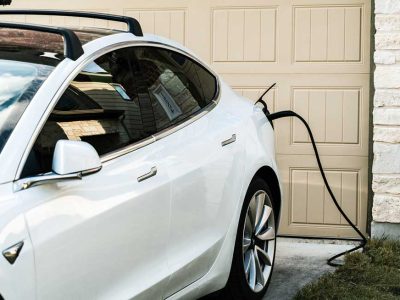
- Electric Vehicle Charging Systems: Level 2 chargers that operate continuously for extended periods. Learn more about EV Charger Installation for Homes in Northern Colorado.
- Hot Tubs, Spas, and Saunas: Outdoor equipment requiring dedicated 240V circuits with proper GFCI protection.
- Shop Machinery: Welders, air compressors, and heavy-duty tools. Explore our Shop & Garage Electrical Systems.
Continuous Load Behavior & Thermal Sizing
Many 240V systems operate as continuous loads, meaning they draw power consistently for extended periods. Examples include EV chargers, electric water heaters, and some heating systems.
Continuous operation impacts how a circuit must be designed:
- 125% Sizing Requirements: Continuous loads must be sized appropriately to prevent conductors and breakers from operating beyond safe limits.
- Proper Terminal Torque: Loose connections can create resistance, heat buildup, and premature component failure.
- Derating Factors: Wiring installed in warm areas or bundled with other conductors may require adjustments to maintain safe operating temperatures.
Failing to account for continuous load behavior can result in overheating conductors, nuisance breaker trips, reduced equipment performance, and shortened system lifespan.
Signs Your High-Demand Circuit Is Undersized Or Failing
When a 240V circuit is improperly sized or installed, warning signs often appear during normal operation:
- Circuit breakers trip when equipment starts or after running for several minutes
- Lights dim or flicker when large motors or appliances activate
- Connected equipment struggles to start or performs inconsistently
- Receptacles, breaker covers, or conduit feel unusually warm
- Voltage drops cause sensitive electronics to reset
On properties around Loveland and Berthoud, longer cable runs to detached garages, shops, or outdoor equipment can expose circuit sizing problems that may not appear on shorter interior runs.
Circuit Sizing, Load Calculations & Voltage Drop
Installing a high-demand circuit requires evaluating your entire electrical system before installation begins.
Our process includes:
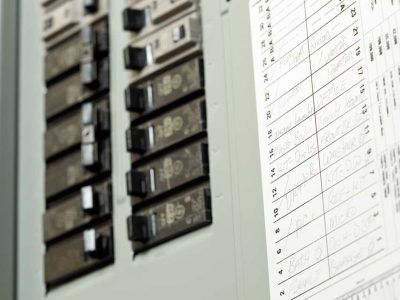
- Panel Capacity & Breaker Space Review: We verify that your electrical panel has available space for a double-pole breaker and enough capacity for the additional load.
- Service Load Calculations: We confirm that your home’s electrical service can support the added demand. Learn more about Load Calculations & Electrical System Planning.
- Voltage Drop Calculations: Longer wire runs may require larger conductors to ensure equipment receives proper voltage during operation.
- Inrush Current Planning: We size circuits to handle startup surges from motors and other equipment without unnecessary breaker trips.
240V Circuits vs. Standard 120V Circuits
Understanding the difference between 240V and standard 120V circuits explains why high-demand equipment requires specialized installation.
Standard 120V Circuits
Standard 120V circuits use one hot conductor and one neutral conductor to supply common household loads like lighting, electronics, and small appliances. They are not designed for large heating elements, EV chargers, or heavy motors.
240V High-Demand Circuits
240V circuits use two hot conductors through a double-pole breaker to provide greater power capacity for equipment with higher electrical demands. They are required for many major appliances and must be installed with proper sizing, grounding, and dedicated circuit protection.
When A High-Demand Circuit Requires A System Upgrade
High-demand circuit issues often become noticeable when multiple major loads operate at the same time, such as an air conditioner, dryer, water heater, and Level 2 EV charger.
Installing a new 240V circuit may reveal larger system limitations, including:
- Your electrical panel has no available breaker spaces
- Your total calculated electrical demand exceeds your current service capacity
- Your panel shows signs of aging, overheating, or damaged components
When your system cannot support additional high-demand circuits, explore options for Electrical Panel Upgrades and Electrical Service Upgrades (100A, 200A, 400A).
Related Pages
Explore these related services to learn more about high-demand electrical systems:
- Electrical Circuits & Wiring
- Dedicated Circuit Installation
- Circuit Upgrades & Expansion
- Load Calculations & Electrical System Planning
- Electrical Panel Upgrades
- Electrical Service Upgrades (100A, 200A, 400A)
Frequently Asked Questions
A 240V circuit is used for high-demand equipment that requires more power than standard 120V outlets can provide, including electric dryers, ranges, heat pumps, water heaters, Level 2 EV chargers, and hot tubs.
Breaker and wire size depend on the equipment’s electrical requirements and how continuously it operates. Proper sizing ensures the circuit can safely handle the expected load.
Yes. A 240V outlet can be installed for EV charging or heavy equipment when your electrical panel has sufficient capacity. See our Shop & Garage Electrical Systems services for more information.
A 240V breaker may trip because of an overloaded circuit, loose connections, failing equipment, improper sizing, or electrical faults within the system.
You may need a panel upgrade if your electrical panel lacks available breaker space or your home’s total electrical demand exceeds your current service capacity.
Longer wire runs create additional resistance and voltage drop. Detached garages, shops, and outdoor equipment often require careful circuit sizing to maintain proper performance.
No. High-demand 240V equipment typically requires individual dedicated circuits to operate safely and comply with electrical standards.
Undersized wiring creates excessive heat, voltage drop, damaged insulation, equipment issues, and serious safety concerns.
Yes. Higher voltage allows the same amount of power to be delivered with less current, reducing heat loss and improving performance for larger equipment.
Yes. Installing a new 240V circuit typically requires an electrical permit and inspection to verify proper installation, protection, and code compliance.
Recent Projects


Call RCI Electric For 240V Circuit Installation In Northern Colorado
High-demand circuits must be designed correctly to handle real-world electrical loads. At RCI Electric, we install 240V circuits that are properly sized, safely wired, and built to provide reliable performance for years to come.
Ready to install a 240V line for your home, shop, or EV charger? Call (970) 294-1208 or fill out our online form to schedule your service evaluation today.