In-Floor Heating Systems for Homes in Northern Colorado
Cold Front Range mornings feel entirely different when thermal comfort originates directly from the surface beneath your feet.
You step out of bed, walk across natural stone or ceramic tile, and instead of a sharp cold shock, you experience immediate, gentle warmth. It does not blow out of a high-wall vent or drift across drafty baseboards. It radiates directly from the floor you walk on.
In-floor radiant heating operates silently in the background of your living space:
- Zero forced air, airborne dust, or allergy-triggering particulate circulation
- Zero sudden temperature swings or cold drafts near exterior walls
- Uniform vertical heat distribution that warms your feet first and rises naturally
Rather than constantly chasing thermostat setpoints with short bursts of hot air, radiant floor heating establishes steady, even comfort that builds from the ground up.
Where Radiant Floor Heating Delivers Maximum Value
In-floor heating transforms daily living across the specific rooms where cold surfaces are felt most acutely.
Bathrooms
Stone and porcelain floor tiles naturally absorb ambient cold. Installing electric radiant floor mat systems beneath tile transforms cold bathrooms into warm, spa-like retreats where morning routines are comfortable from the moment you step out of the shower. Learn more about Bathroom Remodel Electrical Services.
Kitchens
As the functional heart of the home, kitchen floors experience constant foot traffic. Radiant heating beneath tile, stone, or engineered wood provides continuous comfort while preparing meals or entertaining family without fighting floor-level drafts. Read about Kitchen Remodel Electrical Services and electrical planning.
Basements & Slab-On-Grade Additions
Basements are where radiant heating makes the most dramatic operational difference. Below-grade concrete slabs act as massive thermal sinks, continuously drawing heat out of living spaces. Radiant heating stops this thermal drain at the source. Discover more about Basement Finishing Electrical Services.
In communities across Loveland, Fort Collins, and surrounding Northern Colorado areas, radiant floor heating is increasingly specified in new custom homes and primary living space remodels to deliver consistent, comfortable temperatures.
Electric Radiant Mats vs. Hydronic Slab Systems
Radiant floor heating falls into two distinct technological categories based on room square footage, floor assembly, and structural scope.
Electric Radiant Heating Cable & Mat Systems
Electric systems utilize thin, shielded heating cables embedded directly inside the thinset mortar layer beneath tile, stone, or approved flooring materials.
- Ideal for targeted single-room remodels like bathrooms, kitchens, and entryways
- Fast installation directly above existing subfloors with minimal floor height buildup
- Controlled by dedicated floor-sensing line-voltage GFCI digital thermostats
- Operates on dedicated 120V or 240V branch circuits
Hydronic Radiant Fluid Systems
Hydronic systems circulate heated water or approved glycol-based fluid through flexible PEX tubing embedded directly inside poured concrete basement slabs or lightweight floor toppings.
- Ideal for whole-home basements, large acreage slab-on-grade homes, and detached shops
- Driven by high-efficiency electric boilers, heat pumps, or other compatible heating equipment paired with electric zone circulation pumps
- Concrete slabs absorb and retain thermal energy for hours, acting as a thermal reservoir
- Electrical infrastructure powers high-draw electric boiler elements, multi-zone relay boards, and electronic mixing valves
While electric mats provide quick response times for individual rooms, hydronic slab systems deliver long-cycle thermal stability across expansive lower levels.
Electrical Engineering & Continuous Load Protection
Under the National Electrical Code, fixed electric space heating equipment is subject to specific requirements governing circuit sizing, overcurrent protection, and installation methods. Proper electrical planning is essential when adding radiant heating to an existing home.
- 125% Continuous Circuit Sizing: Branch circuit conductors and overcurrent protection must be appropriately sized for continuous heating loads according to applicable code requirements and manufacturer specifications.
- GFCI Protection: Electric floor-heating systems in locations requiring ground-fault protection must use the appropriate GFCI protection to reduce shock hazards, particularly in bathrooms and other areas where moisture is present.
- Dedicated Thermostat Wiring: Digital floor-heating thermostats can incorporate line-voltage switching with floor sensors that monitor surface temperatures and help maintain precise comfort.
Attempting to power electric radiant floor mats from an existing wall outlet circuit can overload conductors, cause nuisance breaker trips, and create an unsafe installation.
Learn more about independent circuit sizing and electrical system planning:
- Dedicated Circuit Installation
- Load Calculations & Electrical System Planning
- 240V & High-Demand Circuits
Related Pages
Explore these related service pages to learn more about environmental heating, high-demand circuits, and room additions:
- Electric Heating Systems
- Mini-Split & AC Electrical Systems
- Dedicated Circuit Installation
- Load Calculations & Electrical System Planning
- Bathroom Remodel Electrical Services
Frequently Asked Questions
Both technologies are widely used. Electric systems use heating cables or mats beneath compatible flooring for individual rooms such as bathrooms and kitchens. Hydronic systems circulate heated water or approved fluid through tubing installed within floors or concrete slabs for larger heating applications.
In well-insulated homes or finished spaces, radiant floor heating can provide substantial or even primary heating when properly designed. In many properties, it works alongside a furnace, heat pump, or other HVAC system to provide additional zone comfort.
Electric radiant heating does add to electrical consumption, and actual operating costs depend on the system’s wattage, heated area, insulation, thermostat settings, outdoor temperatures, and runtime. Floor-sensing thermostats help prevent unnecessary operation by cycling the system as needed.
Radiant heating is generally installed beneath the finished flooring during construction or remodeling. Installing a new system beneath an existing floor usually requires removing the existing flooring and preparing the surface for the heating system.
Concrete basement slabs can absorb substantial amounts of heat from the surrounding environment. Radiant heating warms the slab itself, helping transform a cold concrete floor into a large radiant heating surface and improving overall comfort.
Many electric floor-heating thermostats use a dedicated floor sensor installed alongside the heating cable. The sensor measures floor temperature and helps prevent overheating while allowing the thermostat to maintain consistent comfort.
Ground-fault protection requirements depend on the installation location, equipment, and applicable electrical code provisions. Bathrooms and other wet or damp locations have specific GFCI requirements, so the heating system should be installed according to current code and manufacturer instructions.
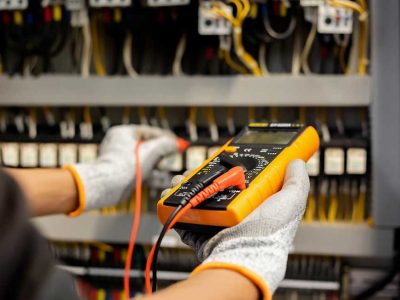
A damaged heating cable can often be diagnosed using specialized electrical testing equipment. Depending on the system and location of the damage, technicians may be able to identify the failed section and complete a localized repair rather than replacing the entire heating system.
Yes, but the specific flooring product must be approved by its manufacturer for use over radiant heating. Maximum floor temperature limits also need to be observed to prevent damage to the finished flooring.
New dedicated branch circuits, hardwired heating systems, thermostats, and other electrical work may require permits and inspections depending on the project and local jurisdiction. RCI Electric LLC can help ensure the electrical installation follows applicable requirements.
Recent Projects






Schedule Professional In-Floor Heating Electrical Services
In-floor radiant heating is not just about adding another heater. It is about transforming how your home feels from the moment you step onto the floor. At RCI Electric, we design and install custom radiant heating circuits that are correctly sized, safely protected, and built to deliver comfortable warmth through Northern Colorado winters.
Call (970) 294-1208 or fill out our online form to schedule your expert service evaluation today.