Overhead to Underground Electrical Service Conversion for Homes in Platteville
How electricity reaches your home plays an important role in reliability, safety, and future upgrade options. While many homes throughout Northern Colorado still rely on overhead electrical service, changing property conditions, utility requirements, and modern electrical demands have led many homeowners to consider converting their service to underground.
Overhead service lines are exposed to wind, storms, trees, and other environmental factors that can lead to damage or outages. Underground electrical service provides a cleaner appearance and added protection, but the conversion requires careful planning, utility coordination, and proper installation.
We design and complete overhead to underground electrical service conversions for homes throughout Northern Colorado, including areas around Platteville, Milliken, and Eaton where property layouts, terrain, and utility requirements can vary significantly. Our team evaluates the entire electrical service system to ensure the conversion is safe, code-compliant, and built for long-term reliability.
What an Overhead to Underground Electrical Service Conversion Includes
An overhead to underground service conversion replaces the exposed utility connection between the power source and your home with underground conduit and electrical conductors.
The process may include:
- Removing or abandoning existing overhead service components
- Installing underground conduit and service conductors
- Updating the meter base and service equipment when needed
- Adjusting grounding and bonding systems
- Coordinating utility disconnect and reconnect requirements
- Testing and verifying the completed electrical service
This is more than moving wires underground. It is a complete electrical service modification that must account for utility requirements, property conditions, and the existing electrical system.
For projects involving updated meter equipment, service equipment changes, or capacity improvements, homeowners may also need additional electrical upgrades.
Learn more about related service equipment improvements: Meter Base & Service Equipment Upgrades
Why Utilities and Homeowners Choose Underground Service
Many utility companies are moving toward underground service installations during major upgrades, replacements, or new construction projects. Requirements vary depending on the utility provider and location, but underground service is often considered during electrical system improvements.
A conversion may make sense when:
- Completing an electrical service upgrade
- Replacing outdated service equipment
- Repairing damaged overhead service
- Modernizing an older electrical system
- Improving the appearance of the property
- Reducing exposure to weather-related damage
Electrical service changes must meet utility standards before power can be restored.
For larger service changes, our team may also evaluate whether additional capacity is needed.
See how service capacity upgrades work: Electrical Service Upgrades (100A, 200A, 400A)
Common Problems with Overhead Electrical Service
Overhead service has been used successfully for decades, but its exposed location can create challenges over time.
Common issues include:
- Tree branches damaging service lines during storms
- Wind causing wires to loosen or shift
- Weather exposure wearing down components
- Sagging service lines creating clearance concerns
- Physical damage from outside impacts
- Increased risk of service interruptions
In areas around Fort Collins and other parts of Northern Colorado, changing weather conditions and mature trees can contribute to recurring overhead service problems.
When electrical issues are caused by service equipment or power delivery problems, a full system evaluation may be needed.
See our electrical troubleshooting services: Electrical Problems & Troubleshooting
When Underground Electrical Service Makes Sense
Underground conversion is not necessary for every home, but there are situations where it can provide significant advantages.
Underground service may be a good option for:
- Homes experiencing repeated overhead service issues
- Properties with heavy tree coverage
- Homes undergoing major electrical upgrades
- New additions or remodels requiring service changes
- Properties where the utility requires underground installation
- Homeowners looking for a cleaner exterior appearance
For many homeowners, underground conversion is part of a larger electrical improvement project designed to support future upgrades and increased power demand.
When Overhead Service May Still Be the Better Choice
While underground service has benefits, it is not always practical for every property.
Certain locations, especially mountain and foothill areas around communities such as Drake, may present challenges including:
- Rocky or granite-heavy soil
- Difficult trenching conditions
- Long distances between the utility connection and home
- Increased installation complexity
- Limited access for excavation equipment
In these situations, maintaining overhead service may be the most practical and cost-effective solution.
Our team evaluates the property, electrical requirements, and utility conditions before recommending the right approach.
Benefits of Underground Electrical Service
Improved Reliability
Underground service reduces exposure to many common causes of overhead failures.
Benefits include:
- Less exposure to wind and storms
- Reduced risk from falling branches
- Protection from many physical impacts
- More consistent service conditions
Enhanced Safety
A properly installed underground system can reduce risks associated with exposed electrical service components.
Benefits include:
- Reduced exposure to overhead conductors
- Lower risk of physical damage
- Protected electrical routing
Cleaner Property Appearance
Many homeowners choose underground conversion because of the visual improvement.
Benefits include:
- No visible overhead service lines
- Cleaner exterior appearance
- Better integration with landscaping and renovations
What the Underground Conversion Process Looks Like
Every property is different, but most overhead to underground conversions follow a similar process.
Our process includes:
- Evaluating the existing electrical service
- Reviewing utility requirements
- Planning underground routing
- Installing conduit and conductors
- Updating service equipment when required
- Coordinating inspections and utility connection
- Testing the completed system
Proper planning helps avoid unexpected issues during installation and ensures the new service operates correctly.
Trenching and Property Conditions
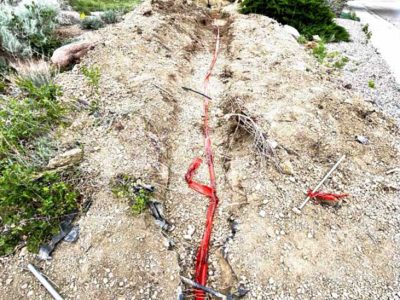
Underground electrical service depends heavily on the property itself. The trench route must be planned carefully to protect the electrical system and avoid future problems.
We evaluate:
- Required trench depth
- Conduit protection requirements
- Soil conditions
- Drainage considerations
- Concrete, landscaping, and structural obstacles
- Distance from utility connection points
In areas around Brighton and Platteville, trenching may be relatively straightforward. Properties with difficult terrain, limited access, or rocky conditions require additional planning.
Utility Coordination and Requirements
Electrical service conversions require coordination with the utility provider. The utility controls the connection point and must approve the completed service before power can be restored.
This process may involve:
- Scheduling service disconnects
- Coordinating utility requirements
- Completing required inspections
- Adjusting service-side connections
- Confirming compliance before reconnection
Each utility company has different requirements, which is why proper coordination is essential.
Meter Base and Service Equipment Upgrades
Many underground conversions involve updates to the meter base or service equipment.
These upgrades may include:
- New meter base installation
- Updated service equipment
- Revised grounding and bonding
- Improved service layout
- Compatibility with future electrical upgrades
Underground conversion is often completed alongside other electrical improvements, especially when increasing service capacity.
Learn more about related grounding improvements: Grounding & Bonding Corrections
Electrical Factors That Affect Installation
Before beginning a conversion, we evaluate several factors that determine the best approach.
Important considerations include:
- Distance from the utility connection
- Existing electrical service configuration
- Panel capacity
- Electrical load requirements
- Property layout
- Soil and terrain conditions
Homes with increased electrical demand may also require additional planning.
See how electrical demand is evaluated: Load Calculations & Electrical System Planning
Common Installation Challenges
Overhead to underground conversions can involve several challenges depending on the property.
Common issues include:
- Long underground conduit runs
- Difficult excavation conditions
- Limited access areas
- Existing structures or landscaping
- Utility scheduling requirements
- Outdated service equipment
Our team accounts for these factors during planning to help create a reliable installation process.
Overhead vs Underground Electrical Service
Overhead Service
- Lower initial installation cost
- Faster installation in many situations
- Easier access for utility repairs
- More exposure to weather and physical damage
Underground Service
- Cleaner appearance
- Reduced exposure to storms and trees
- More complex installation process
- Higher upfront investment
The right option depends on the property, budget, utility requirements, and long-term electrical goals.
What Homeowners Notice After Conversion
After completing an underground service conversion, homeowners often notice:
- Fewer service interruptions caused by weather
- Improved exterior appearance
- Better protection from environmental damage
- A more modern electrical service setup
- Easier planning for future electrical upgrades
How Underground Service Applies to Northern Colorado Homes
Electrical service needs vary widely throughout Northern Colorado. Homes around Fort Collins may experience tree-related service concerns, while areas near Estes Park and Allenspark may have terrain challenges that affect underground installation.
Every property requires a site-specific approach. We consider local conditions, utility requirements, and the existing electrical system before recommending a solution.
Related Pages
See related electrical services:
- Electrical Panel Upgrades & Power Distribution
- Electrical Panel Upgrades
- Load Calculations & Electrical System Planning
- Wiring Systems & Electrical Distribution
Frequently Asked Questions
Yes, but the project depends on utility requirements, property conditions, and the existing electrical system.
In some areas, utilities may require underground service when completing certain upgrades or replacing service equipment.
Underground service is less exposed to weather, trees, and physical damage, which can improve reliability.
The cost depends on trench distance, property conditions, service equipment requirements, and utility coordination.
Yes. Utility approval and coordination are required before the service can be reconnected.
Many conversions require a new meter base or updated service equipment, especially when the existing system is outdated.
Yes. Rocky soil, steep terrain, and limited access can make underground installation more challenging.
Overhead lines are exposed to wind, storms, trees, and other outside conditions that can cause damage.
Not always. The best solution depends on the property, utility requirements, and installation conditions.
Project timelines vary depending on utility coordination, inspections, and site conditions.
Recent Projects




Schedule Your Electrical Service Evaluation
If you are considering converting overhead electrical service to underground, our team can evaluate your property, explain your options, and design a solution that fits your electrical needs. Contact us to schedule service or request an estimate for your electrical service conversion project.