Home Backup Generators And Automatic Transfer Switches (ATS) For Homes In Red Feather
Reliable Backup Generator Systems For Northern Colorado Homes
When utility power goes out, your entire home depends on what happens next. Lighting, heating and cooling systems, refrigeration, internet equipment, security systems, and other electrical devices all stop operating unless another source of power is available.
For some homeowners, an outage is simply inconvenient. For others, it can create serious problems quickly, especially when temperatures are extreme, medical equipment is involved, or essential home systems need to remain operational.
Across Northern Colorado, including areas around Red Feather, wildfire conditions, severe weather, and utility-related shutoffs have made backup power planning more important than ever. A properly installed standby generator system provides reliable electricity when the utility grid is unavailable.
We design and install residential backup generator systems with automatic transfer switches throughout Northern Colorado. Our goal is to create a dependable backup solution based on your home’s electrical needs, available fuel source, and the systems you want to keep running during an outage.
What A Backup Generator System Actually Does
A standby generator is designed to provide sustained electrical power when utility power is interrupted. Unlike portable generators that require manual setup, permanently installed systems can automatically detect outages and restore power without requiring you to be home.
A properly installed generator system can:
- Automatically start when utility power is lost
- Transfer electrical loads through an automatic transfer switch
- Power essential circuits or the entire home
- Continue operating as long as fuel is available
- Support critical electrical systems during extended outages
- Provide reliable backup during storms, wildfire-related shutdowns, and utility interruptions
A generator is not simply temporary power. When properly sized and installed, it becomes a complete backup power system designed to keep your home functioning during extended outages.
How An Automatic Transfer Switch Works
The automatic transfer switch (ATS) is one of the most important parts of a standby generator system. It controls the connection between your home, utility power, and generator.
The ATS:
- Monitors incoming utility power
- Detects when electricity is lost
- Signals the generator to start
- Transfers electrical loads from utility power to generator power
- Prevents dangerous backfeeding into the electrical grid
- Automatically returns the home to utility power when service is restored
Without an ATS, a generator requires manual connection and operation. With an automatic transfer switch, the system operates safely and independently when power interruptions occur.
Types Of Backup Generator Systems
Standby Generators For Whole Home Backup
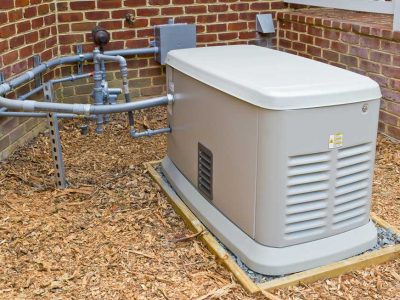
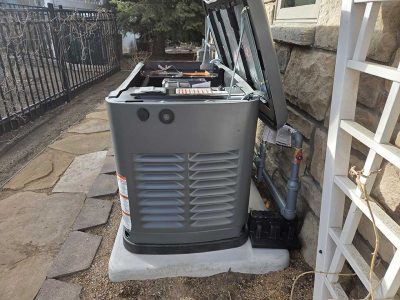
Standby generators are permanently installed outside the home and connected directly to the electrical system.
They provide:
- Automatic operation during outages
- Direct connection to the home’s electrical system
- Support for larger electrical loads
- Whole-home or partial-home backup capabilities
These systems are what most homeowners consider when they want dependable backup power without manually setting up equipment.
Portable Generators For Temporary Backup
Portable generators can provide emergency power, but they operate differently from standby systems.
Portable generators typically:
- Require manual setup
- Support fewer circuits
- Require extension cords or manual connections
- Provide limited backup capacity
While useful in certain situations, portable generators do not provide the same level of convenience, safety, or reliability as a properly installed standby generator system.
Popular Backup Generator Brands
Several manufacturers produce reliable residential generator systems. The right option depends on your home’s electrical demand, desired runtime, fuel availability, and installation requirements.
Generac
Generac is one of the most common residential generator manufacturers.
Their systems offer:
- Air-cooled and liquid-cooled options
- Residential-focused designs
- Broad service and parts availability
- Integration options with modern electrical systems
Kohler
Kohler generators are known for durability and performance.
They are often selected for:
- Higher-demand residential applications
- Strong load handling
- Long-term reliability
Cummins
Cummins provides generator systems known for heavy-duty performance.
These systems are commonly considered for:
- Larger homes
- Higher electrical demands
- More demanding backup applications
Briggs And Stratton
Briggs and Stratton offers residential generator solutions designed for smaller and mid-range applications.
Choosing the right generator depends on your home’s electrical requirements rather than the brand alone.
Generator Fuel Options
The available fuel source plays an important role in generator performance and installation planning.
Natural Gas Generators
Natural gas is a common residential option because it provides:
- Continuous fuel availability
- No need for refueling
- Convenient operation for many homes
Propane Generators
Propane systems are often used where natural gas is unavailable.
Benefits include:
- Stored fuel supply
- Good option for rural properties
- Flexible installation options
Proper tank sizing is important to ensure adequate runtime.
Diesel Generators
Diesel systems are known for durability and are more commonly used in commercial or larger-scale applications.
They provide:
- High reliability
- Strong performance under heavy loads
- Long service life when properly maintained
Whole Home Backup Versus Partial Backup
Choosing between whole-home and partial backup depends on what you need powered during an outage.
Whole Home Backup
Whole-home systems are designed to support most or all electrical loads.
Benefits include:
- More complete power coverage
- Support for larger electrical systems
- Greater convenience during outages
These systems require proper generator sizing to handle total electrical demand.
Partial Backup
Partial backup systems focus on essential circuits.
Common backed-up systems include:
- Refrigerators
- Heating equipment
- Lighting
- Internet equipment
- Security systems
- Essential appliances
Partial backup systems can reduce generator size and fuel usage while keeping the most important parts of your home operating.
For more information about backup planning, see our guide on Whole Home vs Partial Backup Systems.
Real World Applications For Backup Generators
Backup generators are useful in many situations where losing power creates problems.
Common applications include:
- Storm-related outages
- Wildfire-related utility shutoffs
- Maintaining heating and cooling systems
- Keeping refrigerators and freezers operating
- Supporting home offices and internet equipment
- Running sump pumps and critical systems
- Powering shops, garages, and outbuildings
We have seen increasing interest in generator installations throughout Northern Colorado, including areas around Fort Collins and Loveland, as homeowners look for dependable backup solutions during unpredictable outages.
Generator Systems With Electrical Panels
Backup generators must be properly integrated with the home’s electrical system.
Installation considerations include:
- Connection to the main electrical panel or subpanel
- Correct breaker configuration
- Proper load distribution
- Safe transfer between utility and generator power
A generator system must work together with your electrical panel to operate safely and reliably.
Learn more about Electrical Panel Upgrades And Power Distribution when evaluating whether your existing electrical system can support a generator.
Generator Systems With Subpanels
Some homes use dedicated backup subpanels to separate essential circuits from non-essential loads.
Benefits include:
- Easier management of backed-up circuits
- Improved generator efficiency
- Better control over power distribution
This approach is often useful for homeowners who want reliable backup without powering every electrical device in the home.
Generator Systems With Smart Panels
Modern electrical systems can combine generators with smart panel technology for improved control.
Smart integration allows homeowners to:
- Prioritize important circuits
- Manage electrical loads automatically
- Improve generator efficiency
- Coordinate backup power with other energy systems
Learn more about Smart Panels And Load Management and how advanced controls can improve home energy management.
Generator Systems With Battery Backup
Battery systems and generators can work together to provide layered backup protection.
A hybrid approach allows:
- Batteries to provide immediate backup power
- Generators to support longer outages
- Improved energy management
- Greater flexibility during extended interruptions
For a comparison of these technologies, see our guide on Generator Vs Battery Backup Systems.
How We Size A Generator System
Proper sizing is critical for reliable generator performance. A generator that is too small may overload, while an oversized system can add unnecessary cost.
We evaluate:
- Total electrical demand
- Startup loads from HVAC systems, compressors, and motors
- Continuous electrical requirements
- Critical circuits
- Future electrical needs
Correct sizing ensures the generator can handle the actual demands of your home.
What We Evaluate Before Installation
Before installing a generator system, we review:
- Existing service size and electrical capacity
- Panel configuration
- Available installation space
- Fuel source availability
- Electrical load requirements
- Grounding and bonding
- Generator placement requirements
Homes throughout Greeley, Windsor, and surrounding communities may require additional electrical upgrades before adding a generator system.
If your home requires additional capacity, learn more about Electrical Service Upgrades and Electrical Panel Upgrades.
Backup Generator Installation Process
A professional generator installation includes several important steps:
- Evaluating your home’s electrical system
- Determining generator placement
- Installing the automatic transfer switch
- Connecting generator wiring
- Integrating with the electrical panel
- Testing system operation
- Verifying safe startup and transfer functions
Proper installation ensures the system performs correctly when you need it most.
Electrical Code And Safety Requirements
Generator systems must be installed according to electrical codes, manufacturer requirements, and utility regulations.
Important safety requirements include:
- Proper automatic transfer switch installation
- Preventing backfeeding into the utility system
- Correct grounding and bonding
- Proper conductor sizing
- Required working clearances
- Safe generator placement
Improper generator installation can create dangerous conditions and may prevent the system from passing inspection.
Common Generator Installation Challenges
Some homes require additional planning before generator installation.
Common challenges include:
- Limited electrical service capacity
- Older electrical panels
- Restricted installation space
- Fuel supply limitations
- Improper grounding or bonding
- Insufficient load planning
Addressing these issues before installation helps ensure the generator operates safely and reliably.
When A Backup Generator Makes Sense
A generator may be the right solution when:
- Your area experiences frequent outages
- Utility shutoffs are common
- Critical systems must remain operational
- Your home depends heavily on electricity
- You live in an area with unreliable utility service
For homeowners who need dependable power during extended interruptions, a standby generator provides a practical long-term solution.
When A Generator Alone May Not Be Enough
Some homes have electrical demands that exceed what a single backup solution can provide.
Additional support may be needed for:
- Large homes with high continuous demand
- Extended outages requiring multiple backup sources
- Homes requiring both immediate and long-duration backup power
In these situations, combining a generator with battery storage can provide a more complete energy solution.
Related Pages
For more information about improving your home’s electrical reliability, explore:
- Electrical Panel Upgrades And Power Distribution
- Electrical Service Upgrades (100A, 200A, 400A)
- Electrical Panel Upgrades
- Backup And Alternative Power Systems
Frequently Asked Questions
An automatic transfer switch detects a utility power outage, starts the generator, and transfers electrical loads automatically.
Generator size depends on your home’s total electrical demand, startup loads, and whether you need whole-home or partial backup.
Yes. A properly sized standby generator can power an entire home when the system is designed and installed correctly.
Both options are available. The best choice depends on fuel availability, installation conditions, and runtime requirements.
Yes. Many homeowners combine generators and battery systems to improve reliability and backup flexibility.
A generator can continue operating as long as fuel is available and the system receives proper maintenance.
An overloaded generator may shut down or fail to operate correctly. Proper sizing prevents these issues.
Standby generators with automatic transfer switches operate automatically. Portable generators typically require manual setup.
Yes. Generator systems must meet electrical codes and inspection requirements.
Yes. Regular maintenance helps ensure reliable operation when the system is needed.
Recent Projects


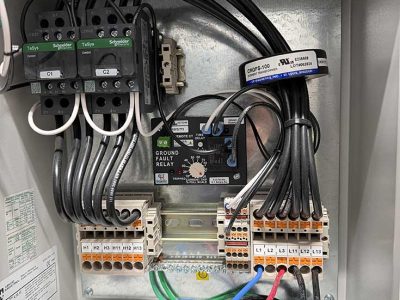
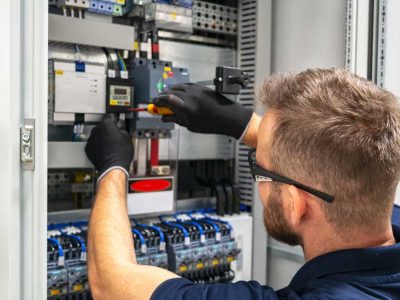
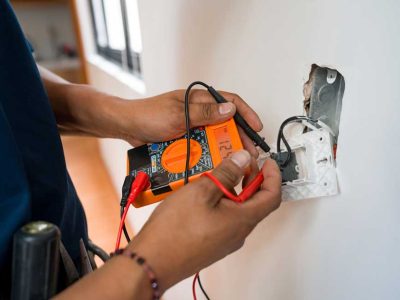
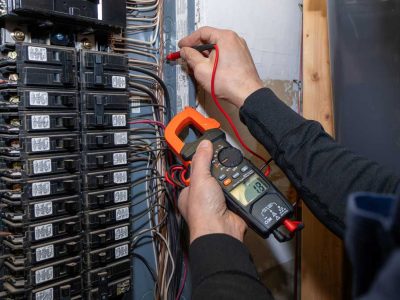
Schedule Your Backup Generator Installation
A properly installed backup generator provides confidence when utility power is unavailable. Our team can evaluate your electrical system, determine the right backup solution, and install a generator system designed around your home’s needs. Contact us today to schedule service or request an estimate for your Northern Colorado home.