Circuit Upgrades & Expansion in Northern Colorado
Most electrical systems were not built for how homes are actually used today. Over time, new equipment gets added, including Level 2 EV chargers, modern kitchen appliances, home offices, and heavy shop tools. Eventually, branch circuits that were originally sufficient begin struggling under increased demand.
The issue is rarely just one bad wire or a single weak breaker. More often, the electrical system has evolved beyond its original design. Circuits become shared across multiple rooms, electrical loads stack together, and everything appears to work until the system reaches its limits.
Circuit upgrades and expansion correct these issues by redistributing electrical loads, rebuilding branch layouts, and designing power distribution around how your home is actually used. This is not simply adding more wire. It is a complete evaluation of how electricity moves throughout your home.
Across Northern Colorado, especially in communities like Milliken and La Salle, circuit expansion is becoming increasingly common as homeowners add new appliances, remodel spaces, and modernize older electrical systems.
What Circuit Upgrades & Expansion Actually Means
Circuit upgrades and expansion involve improving how branch circuits are designed, protected, and distributed throughout your home.
This work may include:
- Adding new branch circuits for increased household power demands
- Rebuilding overloaded or improperly shared circuits
- Redistributing breakers to improve panel load balance
- Separating rooms and high-demand equipment onto dedicated circuits
- Planning electrical capacity for future additions, heat pumps, EV chargers, or shop equipment
The goal is an electrical system that operates safely and efficiently as demand grows instead of one that is constantly pushed beyond its limits.
Why Circuits Need to Be Reworked Over Time
Electrical systems usually do not become inadequate overnight. Instead, they gradually reach their limits as homeowners continue adding new devices, appliances, and living spaces.
Common reasons circuits need upgrades include:
- Installing new high-demand appliances or electronics
- Multiple bedrooms, offices, or living areas sharing one circuit
- Finishing basements, converting garages, or expanding outdoor spaces
- Increased household electrical usage exceeding original design calculations
- Older homes being adapted for modern continuous electrical loads
These changes can expose limitations in older circuit layouts. When power demands exceed what existing branch circuits can safely handle, learn how we diagnose these issues with Circuit Troubleshooting & Load Issues.
Signs Your Circuits Need Upgrading
Recognizing the warning signs of an overloaded circuit layout can help prevent overheating, recurring breaker trips, and unreliable power.
Common indicators include:
- Planning to install new high-amperage equipment or appliances
- Using extension cords or power strips for everyday electrical needs
- Finding that multiple rooms are powered from one breaker
- Sensitive electronics or tools not receiving stable power
- Breakers shutting off when multiple devices operate together
These are not isolated issues. They often indicate that your home’s electrical layout no longer matches its current usage.
Common Upgrade & Expansion Scenarios
Every home requires a different approach depending on its existing wiring, panel capacity, and electrical demands.
Splitting Overloaded Circuits
When one branch circuit supplies too many rooms or devices, we can separate those loads into independent circuits. This reduces strain, improves reliability, and prevents excessive demand from accumulating on one line.
Adding Dedicated Circuits
High-demand equipment is moved from shared circuits onto dedicated branch lines running directly from the electrical panel. Learn more about Dedicated Circuit Installation.
Rebuilding Circuit Layouts
Existing circuits may need to be reorganized within the panel or expanded through additional branch wiring. This improves load distribution between both 120V hot legs and helps reduce unnecessary stress on electrical components.
Expanding for New Loads
New circuits and receptacles can be installed when existing wiring cannot safely support additional equipment.
Common expansion projects include:
- EV Charger Installation for Homes in Northern Colorado
- Shop & Garage Electrical Systems
- Kitchen Remodel Electrical
How We Plan Circuit Layouts Instead Of Just Adding Circuits
Many electrical upgrades only address the immediate problem by adding another outlet or extending an existing circuit. Without evaluating the overall layout, the same issues can return.
At RCI Electric, we focus on how your home actually uses power today. In older Northern Colorado homes, it is common to find multiple bedrooms or living areas connected to one shared 15-amp circuit. While that may have worked years ago, modern electronics, charging devices, gaming systems, and home office equipment create much higher demand.
Instead of continuing outdated layouts, we design expanded systems around current electrical needs:
- Separating bedrooms and living areas onto individual branch circuits
- Eliminating overloaded multi-room shared circuits
- Installing properly sized dedicated circuits for high-use spaces
- Accounting for continuous loads to reduce long-term thermal stress
The goal is not unnecessary oversizing. It is creating an electrical system that matches how your home is actually used.
To understand how we evaluate household capacity, review Load Calculations & Electrical System Planning.
What We Check Before Upgrading Circuits
Before installing new wiring or adding breakers, we evaluate the existing electrical infrastructure to confirm what improvements are needed.
System Evaluation
We inspect:
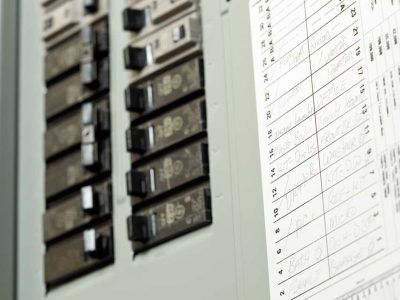
- Available breaker slots and overall panel condition
- Main service capacity compared to proposed electrical additions
- Load balance between both hot legs of the electrical system
Circuit Evaluation
We review:
- Breaker ratings compared with wire size and actual usage
- Wire insulation, junction boxes, and termination points
- Overloaded circuits and improperly shared wiring
Load Planning
We calculate:
- Current household demand
- Future electrical expansion needs
- Continuous loads versus intermittent equipment usage
If your existing panel cannot safely support additional circuits, we identify those limitations before installation begins.
Wiring & Distribution Considerations
Expanding your home’s circuits requires careful attention to the components that deliver power throughout the property.
Important considerations include:
- Correct Conductor Sizing: Matching wire gauge to circuit amperage requirements.
- Proper Breaker Selection: Installing breakers that are compatible with your electrical panel and required protection standards.
- Clean Circuit Routing: Protecting and securing cable runs throughout walls, ceilings, and framing spaces.
- Secure Terminations: Properly tightening panel connections, neutral bars, and device terminals to manufacturer specifications.
To understand how wiring affects system performance, see Wiring Systems & Electrical Distribution and Outlet Problems & Failures.
Circuit Upgrades vs. Adding To Existing Circuits
Understanding the difference between extending an existing circuit and upgrading the electrical layout helps homeowners make better decisions.
Adding To Existing Circuits
Adding more outlets or devices to an already stressed circuit increases demand on existing wiring. This can lead to voltage drops, dimming lights, and frequent breaker trips.
Circuit Upgrades & Expansion
Installing new properly sized branch circuits distributes electrical demand more evenly, improves power reliability, and creates a system designed for future growth.
When Circuit Expansion Requires A System Upgrade
Sometimes adding new circuits reveals larger limitations within the electrical system.
Common signs include:
- No available breaker spaces in the main panel
- Electrical panels operating near maximum capacity
- Total household demand exceeding available service capacity
When your electrical panel cannot support additional circuits, you may need Electrical Panel Upgrades, Electrical Service Upgrades (100A, 200A, 400A), or an Electrical Subpanel Installation.
Related Pages
Explore these related electrical services:
- Electrical Circuits & Wiring
- Dedicated Circuit Installation
- Electrical Subpanel Installation
- Outlet Problems & Failures
- Wiring Systems & Electrical Distribution
Frequently Asked Questions
Only if the circuit has enough remaining capacity. Adding outlets to a circuit already operating near its limit can lead to breaker trips and overheating.
Yes. Many major appliances, high-powered tools, and Level 2 EV chargers require dedicated circuits to operate safely and meet electrical code requirements.
New devices may have pushed the circuit beyond its available capacity, or startup demands from certain equipment may be creating overload conditions.
Yes, if the existing panel has available breaker spaces, adequate capacity, and healthy internal components.
Undersized circuits can create excessive heat, voltage drop, breaker trips, and potential damage to wiring and connected equipment.
A professional evaluation and load calculation can determine whether your panel and electrical service can safely support additional circuits.
Sometimes breaker placement can be adjusted to improve load balance, but rebalancing cannot correct an overloaded branch circuit.
Common upgrades include separating shared room circuits and adding dedicated circuits for modern appliances and equipment.
Yes. Properly sized circuits provide more stable voltage and reduce performance issues caused by overloads or voltage drop.
A service upgrade is needed when the home’s calculated electrical demand exceeds the capacity of the existing utility service.
Recent Projects



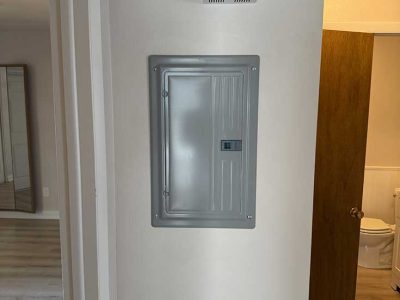
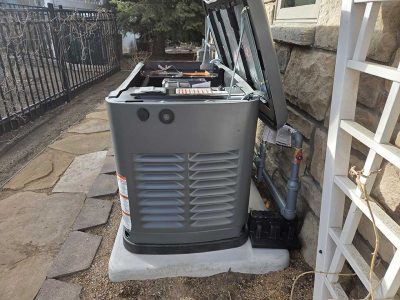
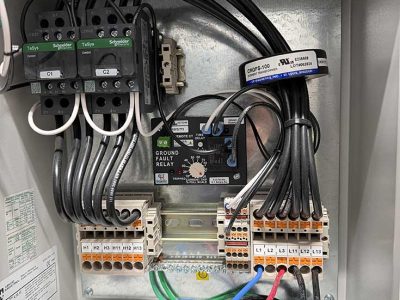
Call RCI Electric For Circuit Upgrades & Expansion In Northern Colorado
If your electrical system is struggling to support modern household demands, adding more devices to overloaded circuits is not the solution. At RCI Electric, we evaluate your current system, identify layout problems, and design circuit upgrades that provide reliable power now while allowing room for future growth.
Ready to expand your home’s electrical capacity? Call (970) 294-1208 or fill out our online form to schedule your service evaluation today.