Lighting Installation & Upgrades for Homes in Northern Colorado
Lighting is one of the most noticeable upgrades you can make in a home, but it only delivers great results when it is planned correctly.
When lighting is installed without proper design and load considerations:
- Some rooms feel dim or shadowed
- Other spaces feel overly bright and harsh
- Wall switches are positioned inconveniently
- Electrical problems like flickering or dimming show up after installation
In many Northern Colorado homes, lighting frustrations trace back to poor fixture spacing, improper layout, or tying new fixtures into older, overloaded branch circuits.
Interior Lighting Installation & Upgrades
Interior lighting is where most residential improvements take place. Upgrading indoor lighting transforms both the comfort and functionality of your living spaces.
Common interior projects include:
- Recessed Lighting: Clean, modern ceiling illumination that opens up rooms visually.
- Fixture Replacements: Swapping out outdated chandeliers, pendant lights, and flush-mount fixtures.
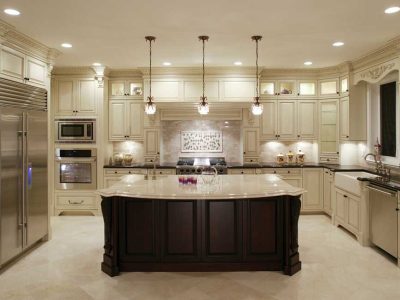
- Room-by-Room Upgrades: Redesigning illumination for living rooms, kitchens, bedrooms, and dining areas.
- New Lighting Layouts: Mapping fixture positions to eliminate dark corners and glare.
Successful interior lighting involves far more than simply replacing a glass fixture. Spacing determines beam overlap and coverage, fixture placement dictates how comfortable a room feels, and circuit capacity ensures flicker-free performance.
Learn more about mapping ceiling fixtures with our Recessed Lighting Installation page.
Exterior & Landscape Lighting
Exterior lighting enhances nighttime curb appeal, improves property security, and makes outdoor living spaces safer to navigate after dark.
Exterior installations include:
- Architectural House Lighting: Highlighting stone entryways, roof peaks, and exterior walls.
- Landscape & Pathway Lighting: Accent illumination for gardens, walkways, and patio areas.
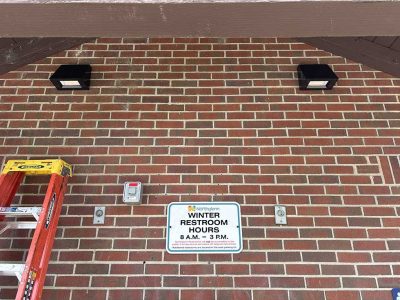
- Security & Motion Lighting: High-output floodlights that illuminate driveways, side yards, and dark entry points.
Explore your exterior lighting options with our Exterior Lighting and Landscape Lighting Systems pages.
Smart & Controlled Lighting Systems
Modern lighting controls change how you interact with your home’s power and ambiance.
Key smart control options include:
- Multi-Location & Dimmer Controls: Smooth dimming curves for LED fixtures without buzzing or flickering.
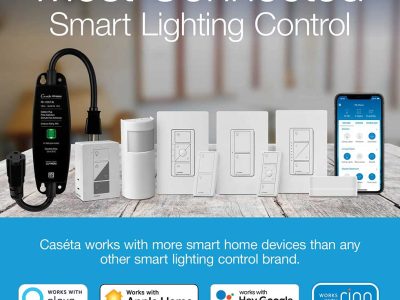
- App-Based Smart Controls: Managing individual lights or whole-house scenes from your smartphone.
- Automated Lighting Schedules: Setting lights to adjust automatically based on sunrise, sunset, or occupancy.
- Zoned Ambiance Systems: Grouping kitchen, living room, and outdoor lights for single-touch control.
Read about intelligent control upgrades on our Smart Lighting page.
Under Cabinet & Accent Lighting
Task and accent lighting provide targeted functional light where general overhead fixtures fall short.
Popular functional accent options include:
- Under Cabinet LED Lighting: Eliminates counter shadows in kitchens for safer meal preparation.
- Toe Kick & Wayfinding Lighting: Subtle nighttime illumination along baseboards and cabinet bases.
- Display & Feature Lighting: Dedicated beam placement to highlight artwork, open shelving, or architectural niches.
Explore secondary lighting designs with our Under Cabinet Lighting and Accent & Feature Lighting pages.
Garage, Shop & Utility Lighting
Workspaces demand high-output, shadow-free illumination engineered for detail work and safety.
Utility lighting upgrades include:
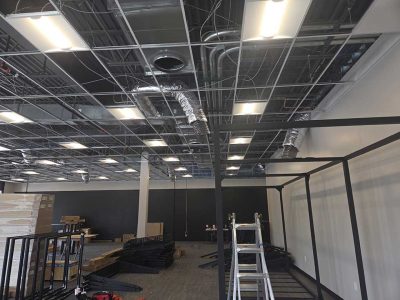
- Garage Overhead Lighting: High-lumen LED strip lights that provide even coverage across parking bays.
- Shop & Workbench Layouts: Task-focused fixture placement that eliminates glare over work tables and machinery.
- Utility Room & Basement Upgrades: Bright, energy-efficient fixtures for storage areas and mechanical rooms.
Learn about high-performance workspace lighting on our Garage & Shop Lighting page.
Whole Home Lighting Upgrades
Large-scale lighting projects allow you to overhaul your home’s illumination completely, combining ambient, task, and accent fixtures into a cohesive final design.
Whole-home projects typically involve:
- Complete interior and exterior lighting redesigns
- Comprehensive fixture replacements across multiple rooms
- Circuit separation and panel load adjustments for new layouts
- Combining layered lighting controls for effortless daily operation
Read more about comprehensive home projects on our Whole Home Lighting Upgrades page.
When Lighting Upgrades Require Electrical Infrastructure Adjustments
Adding multiple new fixtures, converting high-wattage legacy lighting, or expanding into new rooms can expose hidden limits in your home’s original wiring:
- Shared Circuit Overloads: Tying new high-output fixture runs into already crowded bedroom or outlet circuits.
- Legacy Switch Box Constraints: Older switch boxes lacking neutral wires required for modern smart dimmers.
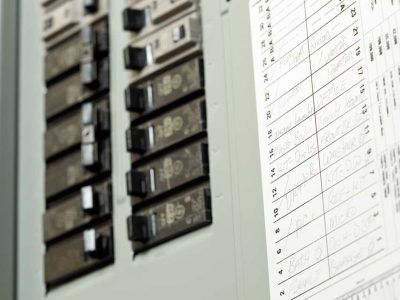
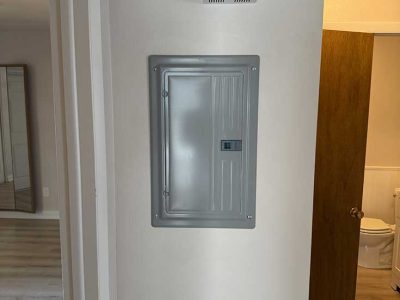
- Undersized Panel Capacity: Adding extensive outdoor or shop lighting that pushes panel demand past safe limits.
When lighting redesigns require circuit modifications or panel expansion, explore our Electrical Circuits & Wiring and Load Calculations & Electrical System Planning pages.
Common Lighting Problems We Troubleshoot
Many lighting complaints stem from improper original installation methods or component mismatches:
- Flickering or Buzzing LEDs: Caused by non-LED compatible dimmers, loose neutral wires, or voltage fluctuation. Learn more about Why Do My Lights Flicker or Dim?.
- Uneven Room Illumination: Poor spacing calculations that leave dark gaps between fixture beams. See Why Is My Lighting Uneven?.
- Inoperative 3 Way Switches: Incorrect traveler wire connections behind multi-location wall switches.
- Dimming When Appliances Turn On: Lighting circuits tied directly to heavy motor loads like vacuums or refrigerators.
- Lights That Stop Working: Visit Why Are My Lights Not Working?.
- Breaker Trips When Lights Are On: Learn more on Why Is My Lighting Causing Breaker Trips?.
If your current setup is showing signs of electrical stress, review our Lighting Problems & Troubleshooting page.
Related Pages
Explore these related service pages to learn more about home power and device installation:
- Electrical Circuits & Wiring
- Electrical Panel Upgrades & Power Distribution
- Load Calculations & Electrical System Planning
- Remodels, Rewires & Additions
- Devices & Controls
- What Your House Could Actually Look Like With Better Lighting
Frequently Asked Questions
The best lighting depends on how you use each space. Ambient overhead fixtures provide general visibility, task lighting illuminates work surfaces like kitchen counters, and accent lighting highlights architectural features. Layering these types produces the best result.
Yes. We perform retrofit recessed lighting installations using specialized equipment that allows us to run wire and mount low-profile LED fixtures with minimal disruption to your existing drywall.
Not always. While modern LED fixtures draw very low wattage, adding a large number of fixtures or high-output shop lights may require dedicated or split branch circuits to comply with electrical codes.
Flickering and buzzing are usually caused by an incompatible dimmer switch, an older switch lacking a neutral wire, or placing non-dimmable LED bulbs on a dimmer control circuit.
Yes, provided your switch boxes contain neutral wires or you choose smart switches specifically designed for legacy no-neutral wiring configurations.
Eliminating dark areas requires recalculating fixture spacing and beam angles rather than simply installing higher-wattage bulbs. Adding targeted task or recessed accent fixtures distributes light evenly.
Yes. Upgrading room by room allows you to manage project timelines and budgets while gradually modernizing your home’s appearance and energy efficiency.
Not necessarily. In many cases, rearranging fixture layouts, upgrading to high-CRI LED components, or adding under cabinet task lighting makes a greater impact than swapping central ceiling fixtures.
Yes. Modern LED lighting consumes up to 80% to 90% less energy than legacy incandescent fixtures while generating significantly less heat, lowering both your electric and cooling bills.
The most common mistake is placing ceiling fixtures without calculating beam spread, leading to severe glare, dark room corners, and overloaded switch boxes.
Recent Projects





Schedule Professional Lighting Installation With RCI Electric
Lighting upgrades should transform how your home looks, feels, and functions. At RCI Electric, we design and install clean, reliable interior and exterior lighting systems that perform flawlessly and integrate seamlessly with your home’s power supply.
Call (970) 294-1208 or fill out our online form to schedule your expert service evaluation today.