Freeze Protection & Heat Tape Systems in Northern Colorado
Freeze protection systems are engineered to prevent a single catastrophic event: water pipes freezing and bursting when Front Range temperatures plummet.
When a water line freezes, your home experiences an immediate crisis. Water pressure disappears, flow halts, and as ice expands inside rigid piping, burst copper or PEX lines can cause thousands of dollars in hidden structural water damage.
Electrical heat trace cable and professional freeze protection systems prevent ice formation, safeguarding exposed plumbing infrastructure against sub-zero blizzards.
How Electrical Heat Trace Systems Work
Professional heat tape or self-regulating trace cable is a specialized heating element installed directly along or spiraled around vulnerable water lines.
Heat trace systems safeguard plumbing by:
- Delivering constant, self-regulating thermal energy directly to the pipe wall
- Maintaining pipe fluid temperature well above freezing, typically 38°F to 45°F
- Preventing ice crystals from forming and expanding inside water lines
This is not a temporary or light-duty appliance. Freeze protection systems operate as continuous-load electrical installations throughout the coldest months of winter.
Common Locations Requiring Freeze Protection
Freeze protection systems are essential anywhere water supply lines pass through unheated, drafty, or exterior-exposed areas:
- Exterior hose bibbs and exposed main water shutoff lines
- Unheated crawl spaces, vented attics, and joist bays
- Attached garages, detached shops, and outbuildings
- Wellheads, pump houses, pressure tanks, and outdoor filtration lines
- Exposed pipe sections penetrating exterior foundation walls or concrete slabs
In high-altitude mountain and foothill communities like Estes Park, Nederland, and Red Feather Lakes, freeze protection systems are an essential winter requirement rather than an optional feature.
Professional Cut-to-Length 240V Trace Systems vs. Pre-Sized Kits
Not all heating cables offer equal reliability. We specialize in commercial-grade, cut-to-length self-regulating systems rather than pre-packaged hardware store heat tape kits.
Key advantages of professional-grade systems include:
- Custom Cut-to-Length Fabrication: Self-regulating cable can be cut to match exact pipe lengths in the field, eliminating awkward overlapping or unheated gaps.
- 240-Volt Continuous Load Capacity: Operating on 240V dedicated lines reduces operating amperage, lowers conductor heat buildup, and provides consistent thermal output along long pipe runs.
- Self-Regulating Conductors: Advanced conductive core technology automatically increases heat output as surrounding temperatures drop, and decreases output as temperatures rise.
- Industrial Durability: Feature rugged UV-stabilized outer jackets, ground-braid shielding, and watertight termination kits designed for decades of exposure.
Pre-packaged DIY heating tapes are fixed-length, feature fragile heating wires, lack self-regulating thermal cores, and deteriorate rapidly after one or two seasons.
The Critical Role of Proper Thermal Insulation
Electrical heat tape and pipe insulation serve complementary roles in freeze prevention.
Installing heat tape without surrounding fiberglass or closed-cell foam pipe insulation allows generated heat to radiate outward into cold ambient air, starving the pipe of warmth and wasting electricity.
Surrounding the heating cable with proper insulation locks the thermal energy against the pipe wall, ensuring maximum protection and energy efficiency.
Common Causes of Freeze Protection System Failures
Freeze protection failures rarely stem from a defective heating element. They typically result from improper electrical engineering and low-grade materials:
- Operating long heating cables on overloaded, shared 120V convenience outlet circuits
- Installing fixed-length store kits that leave exposed fittings or pipe elbows unheated
- Failing to install surrounding foam insulation, allowing cold air to freeze the line
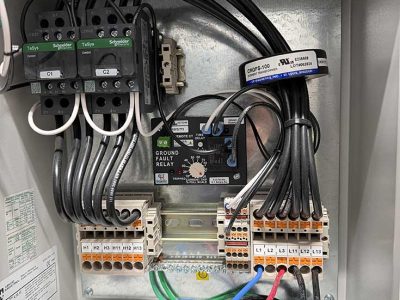
- Lacking Ground Fault Equipment Protection (GFEP) to detect current leakage
- Using non-self-regulating cables that burn out or short when overlapped
When these shortcuts occur, pipes freeze and burst during the coldest nights of winter when plumbing protection is needed most.
Learn about high-demand line design and secondary panel planning:
Related Pages
Explore these related service pages to learn more about environmental heating, high-demand circuits, and panel planning:
- Heating & Environmental Systems
- Electric Heating Systems
- 240V & High-Demand Circuits
- Dedicated Circuit Installation
- Electrical Subpanel Installation
Frequently Asked Questions
Yes. When commercial-grade self-regulating heat trace cable is installed correctly, paired with proper pipe insulation, and powered by a dedicated circuit, it reliably prevents freezing even in extreme sub-zero temperatures.
Yes. Heat tape generates heat, while insulation traps that warmth against the pipe wall. Installing heat tape without insulation allows heat to dissipate into ambient air, leaving pipes vulnerable to freezing.
Yes. Professional self-regulating heat trace cables are engineered for continuous winter operation. They automatically adjust power output based on ambient temperature, drawing more power during extreme freezes and tapering off during milder days.
While small residential runs can operate on dedicated 120V circuits, longer property runs, well lines, and commercial systems perform best on dedicated 208V/240V circuits to maintain consistent heat output over distance.
Yes. Advanced self-regulating trace cables automatically regulate thermal output at specific contact points, preventing hot spots or burnouts if cables touch or overlap at valve bodies or pipe tees. Standard pre-packaged DIY tapes will melt if overlapped.
National Electrical Code mandates Ground Fault Equipment Protection (30mA GFEP) for fixed electric heating cables. GFEP breakers prevent fire hazards by cutting power if moisture penetrates cable jackets or if minute ground faults occur.
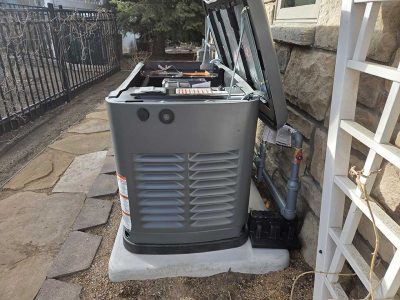
If utility power fails, heat tape stops generating heat. In areas prone to winter blackouts, pairing freeze protection systems with an automatic standby generator or battery backup system ensures continuous freeze protection.
Professional installations include illuminated power connection caps, inline power monitors, or digital ambient thermostats that confirm current is flowing through the cable circuit.
Yes. Self-regulating heat tape can be safely installed on PEX, PVC, CPVC, copper, and iron piping. When applying heat tape to plastic pipes, wrapping aluminum foil tape along the pipe first ensures even heat distribution.
Yes. Installing new dedicated 120V or 240V branch lines, GFEP circuit breakers, and hardwired exterior freeze protection controls requires official electrical permits and mandatory inspections from local building departments.
Recent Projects


Schedule Professional Freeze Protection Services
Freeze protection systems are not about basic convenience, they are about protecting your property against catastrophic water damage. At RCI Electric, we design and install custom freeze protection and heat trace systems that are properly sized, safely grounded, and built to handle harsh Northern Colorado winters.
Call (970) 294-1208 or fill out our online form to schedule your expert service evaluation today.