Circuit Troubleshooting & Load Issues in Northern Colorado
Circuit problems do not happen randomly. They follow predictable patterns based on electrical load, wiring condition, and how the system was originally designed. A breaker tripping, lights dimming, or part of a circuit failing is usually a direct response to how that branch line is being used under real-world conditions.
Understanding how circuits behave when pushed beyond their design limits makes it possible to identify those patterns and diagnose issues accurately at both the circuit and system level. Across Northern Colorado, especially in areas like Greeley and Evans, increased residential electrical demand has made these problems more noticeable in homes that have not had their circuits updated.
How Circuits Actually Behave
Every circuit is engineered to safely carry a specific amount of current based on conductor size and breaker rating. Problems begin when that design limit is exceeded or when physical connections deteriorate over time.
Core Electrical Behaviors
- Circuit Overload: The total current drawn by connected appliances exceeds the safe capacity of the circuit conductor, causing excessive heat buildup along the wire run.
- Short Circuit: An energized hot wire makes direct contact with a neutral conductor, creating a low-resistance path that causes a sudden surge of current.
- Ground Fault: An energized conductor contacts grounded metal, a copper pipe, or another grounded surface, creating a serious shock hazard.
- Voltage Drop: Electrical resistance along long or undersized cable runs reduces the voltage available at the connected appliance.
These issues can produce similar symptoms, but the actual causes require different diagnostic approaches.
Common Circuit Problems and What They Mean
Breaker Tripping Patterns
Breaker behavior often reveals important information about what is happening inside a circuit.
- Immediate Trip Upon Reset: Usually indicates an active short circuit, severe ground fault, or a failed component connected to the circuit.
- Delayed Trip After Several Minutes: Often points to a continuous thermal overload where heat gradually builds until the breaker activates.
- Random or Intermittent Trips: May indicate loose connections, intermittent ground faults, or load stacking caused by multiple appliances cycling on and off.
To learn more about common breaker problems, see Why Your Breaker Keeps Tripping.
Lights Dimming or Flickering
Lighting problems are often related to voltage fluctuations or circuit loading.
Common causes include:
- Motor Startup Surges: Large motors, such as AC compressors and refrigerator motors, briefly draw increased current when starting, causing temporary voltage drops.
- Load Interaction Between Devices: High-wattage appliances sharing circuits with lighting can create noticeable dimming while operating.
- Degraded Connections: Loose wire connections or failing receptacle terminals create resistance that can lead to flickering and inconsistent power.
Dead Outlets or Partial Power Loss
Partial power loss usually points to an issue somewhere along the circuit path.
Common causes include:
- Open Connections: A loose or damaged wire connection interrupts power to outlets and devices farther downstream.
- Tripped Upstream GFCI Protection: A GFCI outlet elsewhere on the circuit may have tripped and disconnected power to connected receptacles.
If your home has isolated power loss in certain areas, learn more about Why Part of Your House Lost Power.
Equipment Underperformance
When tools, appliances, or electronics hum loudly, overheat, or fail to operate correctly, the issue is often related to voltage drop, insufficient circuit capacity, or shared circuit interference.
Primary Causes Behind Circuit Failures
Circuit issues generally come from three categories: electrical load problems, physical connection failures, and improper system design.
Load Related Causes
Common load-related issues include:
- Connecting too many appliances or electronics to a single branch circuit
- Running high-demand equipment on circuits designed for general household use
- Exceeding safe continuous load limits for long-running equipment
- Allowing motor startup surges to repeatedly stress older breakers
Wiring and Connection Issues
Electrical problems can also develop from:
- Loose terminal screws or improperly tightened breaker connections creating resistance and heat
- Push-in receptacle connections loosening over time
- Damaged insulation, corrosion, or deteriorating conductors inside walls
Circuit Design Problems
Poor original design or outdated wiring can create ongoing issues, including:
- Mismatched breaker sizes and wire gauges
- Long cable runs without proper conductor sizing
- Multiple rooms or high-demand areas sharing a single general-purpose circuit
Environmental Factors
Outside conditions can also affect circuit performance:
- Moisture entering outdoor boxes, crawl spaces, or garage receptacles
- Excessive heat buildup inside crowded walls or electrical panels
How We Perform System Level Diagnosis
At RCI Electric, we use a structured diagnostic process to identify the actual cause of circuit problems instead of treating symptoms.
- Identify Usage Patterns: We determine when failures occur, including whether problems happen immediately, after extended use, or only under certain conditions.
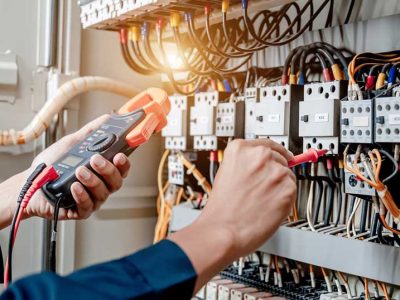
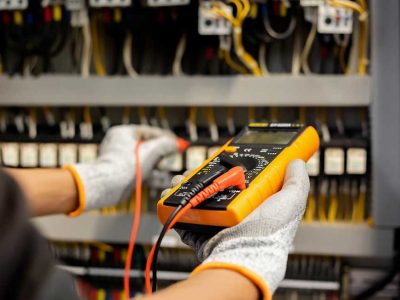
- Evaluate Real-World Load Behavior: We measure actual amperage draw and compare it with circuit capacity while identifying overlapping appliance usage.
- Inspect Physical Components: We evaluate breakers, wire connections, receptacles, insulation, and terminal conditions.
- Analyze System-Level Interactions: We check panel balance, grounding, bonding, and overall electrical service capacity.
Understanding Load Issues and Voltage Drop
Circuit problems frequently result from how electrical loads are distributed throughout the home.
Overload Conditions and Load Stacking
A circuit overload occurs when connected devices demand more current than the circuit is designed to safely provide. Load stacking happens when multiple individually acceptable appliances operate simultaneously and push the circuit beyond its limits.
Before adding new high-demand equipment, review Load Calculations & Electrical System Planning.
Continuous Load Limits
The National Electrical Code requires continuous loads, meaning equipment operating for three hours or more, to remain within safe capacity limits. Operating a circuit continuously at maximum capacity creates excessive heat and increases the chance of breaker failure.
Voltage Drop on Long Cable Runs
Voltage drop occurs when electrical resistance along longer wire runs reduces available voltage at the equipment. This is common with detached garages, workshops, outbuildings, and exterior equipment connections.
When voltage drops beyond acceptable levels, motors may draw additional current, run hotter, lose performance, and experience shortened service life.
When Circuit Problems Point to Larger System Upgrades
Repeated circuit issues throughout multiple areas of a home can indicate that the electrical panel or service capacity is no longer sufficient.
Signs that larger upgrades may be needed include:
- Multiple breakers repeatedly tripping on separate circuits
- Warm panel covers or breaker faces
- Significant lighting dimming when major appliances start
- Older 100-amp panels without available breaker capacity
When your electrical infrastructure requires additional capacity, explore Electrical Panel Upgrades and Electrical Service Upgrades (100A, 200A, 400A).
Related Pages
Explore these related electrical services to learn more about circuit design, upgrades, and troubleshooting:
- Electrical Circuits & Wiring
- Dedicated Circuit Installation
- Circuit Upgrades & Expansion
- Load Calculations & Electrical System Planning
Frequently Asked Questions
An immediate trip usually indicates a hard fault, such as a direct short circuit, ground fault, or a problem with connected equipment.
Delayed breaker trips usually occur because heat gradually builds from a continuous overload until the breaker’s thermal protection activates.
Yes. Loose connections, damaged receptacles, and internal outlet failures can create arcing or short circuits that trip the breaker.
Large motors create temporary startup surges that can cause voltage drops, especially on shared circuits or systems with limited electrical capacity.
Load stacking occurs when multiple appliances operate at the same time and their combined electrical demand exceeds what the circuit or panel can safely support.
No. A breaker must match the wire size and circuit design. Installing a larger breaker without upgrading the wiring can allow conductors to overheat and create a serious fire hazard.
Intermittent issues are often caused by loose connections, changing electrical loads, temperature changes, or appliances cycling on and off.
Common causes include overloaded circuits, loose electrical connections, and outdated wiring designs that cannot support modern household demand.
Yes. Excessive voltage drop can cause motors to overheat, reduce performance, and shorten the lifespan of connected equipment.
Warning signs include frequent breaker trips, warm panel components, unusual sounds from the panel, and widespread lighting issues when appliances operate.
Recent Projects


Call RCI Electric for Circuit Troubleshooting in Northern Colorado
Circuit issues are usually symptoms of how an entire electrical system is performing, not isolated failures. Identifying the underlying cause helps ensure your home’s electrical infrastructure operates safely and reliably.
RCI Electric provides circuit troubleshooting, load testing, and electrical diagnostics throughout Greeley, Evans, Loveland, and surrounding Northern Colorado communities.
Ready to resolve your home’s circuit issues? Call (970) 294-1208 or fill out our online form to schedule your service evaluation today.