Critical Load Protection & Monitoring in Northern Colorado
Certain household equipment cannot be allowed to stay powered off. Not for a few days, not for a few hours, and sometimes not even long enough for you to discover the problem by accident.
When grid power drops, a GFCI breaker trips, or a pump controller fails, standard household electrical circuits simply go dark and stay dark. That passive behavior may be acceptable for overhead living room lights, but it can create serious problems for equipment keeping your basement dry, your food preserved, or your home protected against winter freezes.
Critical load protection and monitoring systems help eliminate these silent electrical failures.
By pairing dedicated branch circuits, line-voltage monitoring, uninterruptible power supplies (UPS), and automated transfer or load management equipment, these systems help keep essential loads energized or provide immediate notification when a failure occurs.
In communities across Loveland, Fort Collins, and surrounding Front Range areas, protecting critical electrical loads is an important part of resilient home electrical planning.
High-Consequence Equipment Requiring Critical Load Protection
Critical load protection is designed for equipment where an undetected power loss could lead to property damage, equipment failure, or financial loss:
- Basement Sump Pumps & Ejector Pits: Helping prevent basement flooding during heavy Front Range rainstorms and spring snowmelt.
- Primary Refrigeration & Deep Chest Freezers: Protecting stored food from unnoticed breaker trips or localized circuit interruptions.
- Freeze Protection Heat Trace Systems: Helping keep pipe-heating cables energized during severe winter weather to reduce the risk of frozen or burst water lines.
- Aquariums & Marine Life Support: Maintaining continuous circulation, filtration, and heating for sensitive aquatic environments.
- Medical Equipment & Home Health Devices: Providing power monitoring and appropriate backup support for critical home equipment.
- Security & Network Infrastructure: Keeping modems, routers, and security equipment operating during utility interruptions.
The Four Pillars of Complete Critical Load Architecture
Reliable load protection is rarely achieved with one standalone device. Complete resilience requires multiple layers of power delivery, monitoring, communication, and recovery working together.
Active Line-Voltage Monitoring Systems
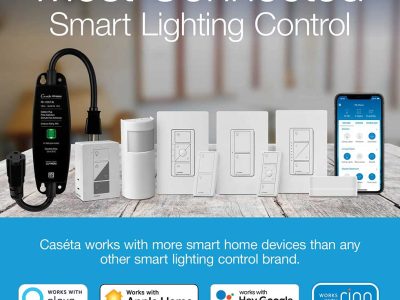
Continuous monitoring devices track voltage at the equipment outlet or electrical circuit. If line voltage drops or a GFCI trips, the monitor can send push notifications, text messages, or email alerts, giving you an opportunity to respond before temperatures rise or water levels become dangerous.
Network-Based Offline Alerts
Off-site cloud systems can periodically check connected monitoring devices. If a utility outage disconnects the equipment from the network, the missing communication can trigger a device-offline alert to your smartphone.
Uninterruptible Power Supply & Battery Backup
Local battery backup systems can keep network routers, modems, and monitoring equipment powered for a limited period after a main power failure. This helps maintain communication long enough for an outage notification to reach you.
Controlled Auto-Restart & Load Recovery Devices
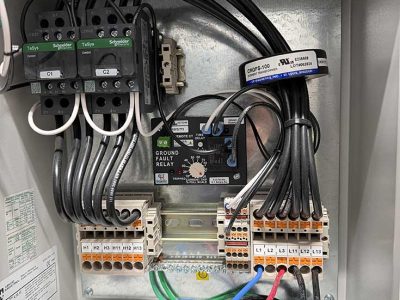
Certain electric motors, including sump pumps and compressor equipment, can have difficulty restarting after rapid power fluctuations. Properly configured load controllers and restart equipment can help manage power restoration and reduce unnecessary breaker trips.
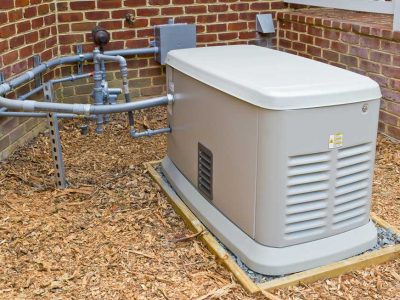
Integrating Critical Loads With Home Backup Power
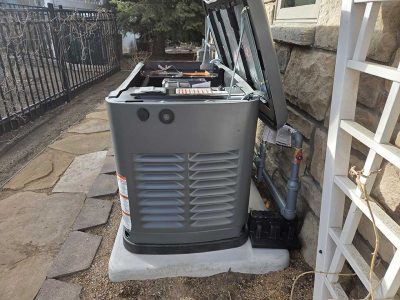
Monitoring can tell you when a problem occurs, but physical backup power can keep essential equipment operating during an extended outage.
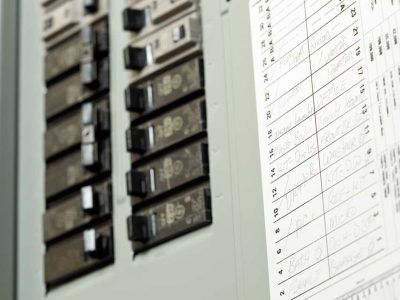
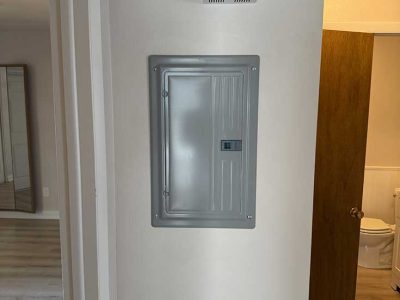
- Dedicated Critical Load Subpanels: Isolating high-priority 120V and 240V circuits, such as sump pumps, refrigeration, heating controls, and security equipment, onto an emergency subpanel supplied by a standby generator or home battery system.
- Smart Panels & Dynamic Load Shedding: Intelligent electrical panels can monitor household demand and prioritize critical equipment while temporarily shedding non-essential loads during an outage.
Learn more about Backup Power for Homes, Whole-Home vs. Partial Backup, and Smart Panels & Load Management to explore backup and load management options.
Preventing Common Points of Silent Failure
Many critical equipment failures happen because the electrical circuit supplying the equipment fails without anyone realizing it:
- Upstream GFCI Circuit Trips: Sump pumps connected to shared garage, outdoor, or other GFCI-protected circuits can lose power when an upstream device trips, leaving the pump inactive without an obvious problem elsewhere in the home.
- Wire Overcrowding & Overloaded Circuits: Running freezers, pumps, or other high-demand equipment on shared convenience circuits can increase the likelihood of overload conditions and breaker trips.
- Unmonitored Local Outages: A single breaker can trip inside the electrical panel while the rest of the home continues operating normally, leaving a freezer, pump, or other critical device without power.
Installing dedicated, properly sized branch circuits and adding appropriate monitoring can reduce these common points of failure.
Explore Dedicated Circuit Installation, Specialty Outlet Systems, and Power-Loss Alert Systems for additional ways to protect important electrical loads.
Related Pages
Explore these related service pages for more information about specialty outlets, home backup systems, and electrical planning:
- Specialty Outlet Systems
- Power-Loss Alert Systems
- Backup Power for Homes
- Whole-Home vs. Partial Backup
- Dedicated Circuit Installation
Frequently Asked Questions
A standard smart outlet provides basic app control, scheduling, or monitoring. A complete critical load protection setup can combine dedicated branch wiring, power-loss sensors, battery-backed communication, and appropriate load recovery equipment to keep important equipment operating or alert you when power fails.
Sump pumps can draw significant starting current. If the pump shares a circuit with outdoor lights, power tools, or other equipment, a fault or overload elsewhere on the circuit can trip the breaker and leave the sump pump without power when you need it most.
Cloud monitoring systems periodically communicate with connected equipment. If an outage disconnects the device and communication stops, the monitoring service can recognize the missing connection and send an alert to your phone.
Yes. Line-voltage sensors can monitor individual circuits or outlets. If a single breaker trips while the rest of the home continues receiving utility power, the sensor can detect the localized voltage loss and trigger an alert.
Basic Wi-Fi sensors may stop communicating if the router loses power. Backing up the modem and router with a UPS can help maintain connectivity, while some commercial monitoring systems use cellular communication instead of relying on local Wi-Fi.
Dedicated circuits are commonly recommended for major refrigeration equipment to reduce the possibility of overload from other appliances. The appropriate circuit configuration depends on the equipment specifications, installation requirements, and applicable electrical code.
Some systems can manage controlled power restoration and restart equipment after an outage. Proper equipment selection is particularly important for motor-driven loads that may be affected by rapid power fluctuations.
A critical load subpanel is a secondary electrical panel used to supply selected high-priority circuits from a backup power source. These circuits may include sump pumps, refrigeration, heating controls, and security equipment.
Basic smart device notifications may be available without a recurring monitoring fee. Cellular monitoring systems and professional monitoring services can require monthly or annual service plans.
Plug-in monitoring devices generally do not require an electrical permit. New branch circuits, critical load subpanels, transfer equipment, and other hardwired electrical modifications may require permits and inspections based on the project and local requirements.
Recent Projects



Schedule Professional Critical Load Protection Services
Critical household systems do not always fail loudly. They can fail quietly when no one is looking. At RCI Electric, we design and install custom critical load protection and monitoring systems that help keep essential equipment running and keep you informed before electrical problems become major property damage.
Call (970) 294-1208 or fill out our online form to schedule your expert service evaluation today.