Smart EV Load Management Systems & Future Power Control for Homes in Northern Colorado
Not every electric vehicle charger installation requires an expensive main electrical panel upgrade.
When homeowners look at adding a Level 2 EV charger, a garage heater, or shop tools, the immediate assumption is often: “My panel is full, so I need to buy more utility power.” While a service expansion is sometimes necessary, in many cases the existing electrical system simply needs to be managed better.
In communities like Ault and Eaton, electrical panels can appear completely maxed out. However, instead of upgrading the entire service, you can often make the system work reliably by controlling how and when power is consumed.
What Smart Load Management Actually Is
Smart load management is the practice of controlling when and how electrical devices draw power across your home.
Instead of allowing every appliance to pull full current simultaneously, an intelligent management system dynamically adjusts load output:
- EV Charging Output: EV charging output throttles down automatically when high-demand appliances turn on.
- Heavy Equipment Operation: Equipment operation is staggered so high loads do not run at the same time.
- Real-Time Power Monitoring: Total amperage draw remains safely below your main panel’s rated capacity.
It is not magic. It is simply a smarter, more flexible way to utilize your existing electrical infrastructure.
To explore how smart panels manage household distribution, review Smart Panels & Load Management.
A Real-World Scenario: Avoiding an Unnecessary Panel Upgrade
Consider a home with a full electrical panel where the homeowner wants to install a Level 2 EV charger, run garage power tools, and occasionally operate a space heater.
On paper, a standard static load calculation might suggest a mandatory service upgrade. In real-world practice, however, these high-demand loads rarely overlap:
- The EV charger primarily runs overnight while the household sleeps.
- Power tools and garage equipment operate during daylight hours.
- Base household electricity consumption drops significantly during overnight hours.
By installing an intelligent load management device or smart energy monitor, power is dynamically allocated based on real-time demand. The system operates safely without needing an expensive main panel replacement.
Reducing Demand Spikes with Soft Starts
One overlooked opportunity in home energy management is controlling motor startup surges.
Heavy motor-driven equipment, such as central air conditioning compressors, heat pumps, well pumps, and shop air compressors, draw a sudden spike of inrush current when starting up. This momentary startup surge can be two to three times higher than the appliance’s normal running current.
Installing a soft start kit on major motor loads provides key benefits:
- Lower Startup Demand: Reduces initial motor startup amperage by up to 60% to 70%.
- Smoother Electrical Performance: Helps prevent light dimming and sudden power fluctuations.
- Reduced Equipment Stress: Minimizes mechanical wear on motors and connected equipment.
Taming motor startup surges frees up valuable panel capacity, often allowing a Level 2 EV charger to be added safely. Read more about calculating demand spikes through Load Calculations & Electrical System Planning.
How Systems Are Managed in Practice
Modern energy controls offer several flexible options to prevent panel overloads.
Dynamic Load Limiting
Current-sensing transformers monitor real-time draw at your main breaker. If total household usage approaches safe limits, the controller automatically signals the EV charger to throttle its output amperage, such as dropping from 48A down to 16A. Once household demand decreases, vehicle charging resumes at full speed.
Scheduled Off-Peak Charging
Programming your electric vehicle or smart charger to operate strictly during off-peak overnight hours ensures heavy continuous charging never competes with daytime cooking, laundry, or air conditioning.
Smart Panels and Subpanel Controllers
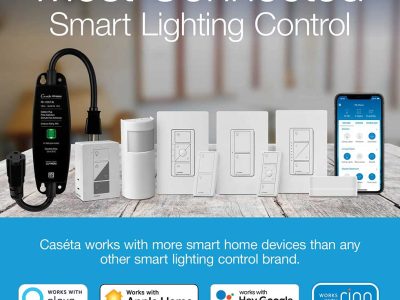
Smart electrical panels replace traditional thermal breakers with electronic, app-controlled switches. They monitor energy consumption across every circuit, allow remote smartphone scheduling, and automatically prioritize critical loads during peak periods.
What Load Management Solves
Implementing smart load control resolves several common residential power issues:
- Persistent main or branch breaker trips caused by simultaneous appliance use
- Electric vehicle charging speeds dropping unexpectedly
- False “no panel space” limitations on systems operating near capacity
- Electrical load conflicts between EV chargers, HVAC units, and shop machinery
For homeowners experiencing repeated electrical issues, RCI Electric also provides electrical troubleshooting and service calls to identify the cause and recommend the right solution.
When Load Management Works and When an Upgrade Is Required
While smart load control is a versatile solution, it is important to know when management is sufficient and when a physical service expansion is required.
Smart Load Management Works Well When:
- Your electrical panel is near its physical capacity limit, but not severely overloaded.
- Major high-draw loads operate at different times of the day.
- The EV charger output can be adjusted or scheduled dynamically.
- Your daily driving routine allows flexible vehicle charging hours.
A Full Service Upgrade Is Required When:
- Your total incoming utility service entrance, such as an older 60A or 100A main service, is fundamentally undersized for basic household operations.
- Multiple heavy loads must run simultaneously without interruption.
- The main electrical panel shows signs of physical damage, corrosion, or thermal bus bar failure.
When total demand exceeds physical service limits, explore options for Electrical Panel Upgrades and Electrical Service Upgrades (100A, 200A, 400A).
Local Application in Northern Colorado
In smaller towns like Platteville and Severance, homes often feature modest 100-amp or 150-amp utility services alongside growing household power demands. In these properties, smart load management is especially valuable. It allows homeowners to add modern Level 2 EV chargers, heat pumps, or garage equipment while stretching their existing electrical infrastructure safely.
Connecting Your System Components
As household energy demands grow, various systems must work together intelligently:
- Level 2 EV Chargers: Throttle continuous draw during peak household usage hours.
- Battery Storage: Discharge stored energy to offset peak rates or outage conditions.
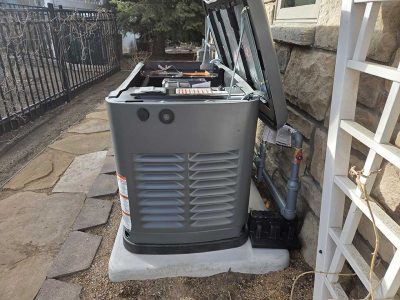
- Standby Generators: Shed high-draw charger loads automatically during utility blackouts.
- HVAC and Heat Pumps: Utilize soft starts to eliminate sudden motor startup surges.
At a certain point, expanding home power is not about adding raw amperage. It is about controlling what you already have.
Related Pages
Explore these related service pages to learn more about home energy control and EV integration:
- EV Charger Installation for Homes in Northern Colorado
- Level 2 EV Charger Installation (240V Home Charging Systems)
- Multi-EV and High-Demand Charging Systems
- Battery Backup Systems
- EV Charger Circuits
Frequently Asked Questions
EV load management is the technology used to monitor real-time electrical draw in your home and automatically adjust or throttle vehicle charging power to prevent main panel overloads and breaker trips.
Yes. By dynamically monitoring household amperage and limiting total continuous draw below safe breaker thresholds, load management stops overload tripping before it happens.
Only temporarily. The system reduces charging speed only during brief periods when other major household appliances, like electric ovens or dryers, are running, returning to full charging speed once those loads cycle off.
Not necessarily. While smart panels offer advanced full-home control, standalone load management modules or smart chargers with current-sensing clamps can manage EV charging loads on standard electrical panels.
In many cases, yes. If your electrical panel operates near capacity but your heavy loads do not run constantly at the same time, load management can safely accommodate an EV charger without a main panel replacement.
Yes. Smart load management is ideal for multi-EV households, allowing two or more chargers to share available electrical capacity by automatically dividing amperage between vehicles.
A soft start kit is an electronic device installed on large electric motors, such as air conditioner compressors, that smooths out initial inrush current and reduces motor startup power spikes.
Yes. Load control is essential for battery setups, ensuring heavy EV charging loads do not rapidly drain stored energy reserves during a utility power outage.
Yes. Many modern smart panels, energy monitors, and connected EV chargers feature Wi-Fi integration and dedicated mobile apps for remote monitoring, scheduling, and power adjustment.
A full service upgrade is necessary when your baseline electrical consumption already exceeds your incoming utility service rating, or when your electrical panel is physically damaged, obsolete, or unsafe.
Recent Projects


Schedule a Smart Energy Evaluation with RCI Electric
You do not always need to buy more power. Sometimes you just need to use what you have differently. At RCI Electric, we design and install smart load management systems that keep your home running smoothly, prevent nuisance breaker trips, and help you avoid unnecessary service upgrades whenever possible.
To schedule your energy control evaluation, call (970) 294-1208 or fill out our online form today.