Whole-Home Surge Protection for Homes in Johnstown
Why Electrical Stability Matters
Most electrical problems are not complete system failures. They are instability issues that happen gradually.
Lights may flicker or react when appliances turn on. Electronics may reset unexpectedly. Devices may wear out sooner than expected. When power does not stay consistent throughout the home, the issue is often related to voltage conditions rather than one outlet or one circuit.
Whole-home surge protection helps control these conditions by reducing the impact of voltage spikes and protecting the electrical system from repeated stress. It works continuously in the background to help protect the equipment connected throughout your home.
What Whole-Home Surge Protection Actually Does
A whole-home surge protection device helps protect your electrical system by:
- Diverting voltage spikes away from circuits
- Limiting the amount of surge energy entering the home
- Protecting connected equipment from repeated exposure
- Reducing long-term stress on electronics and appliances
- Operating continuously without homeowner interaction
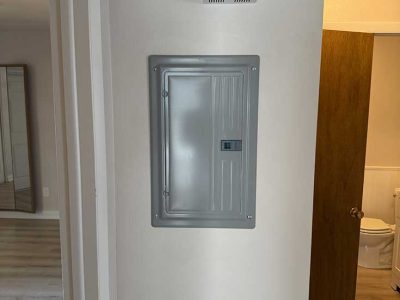
Unlike a power strip that protects only one device, whole-home surge protection is installed at the electrical panel to help protect the entire system.
Why Surge Protection Is More Important Today
Electrical systems have changed significantly over the years. Older homes typically supported fewer electronic devices and lower overall electrical demand.
Modern homes now rely on:
- Appliances with electronic controls
- HVAC systems with sensitive circuit boards
- Smart home technology
- EV chargers
- Battery backup systems
- Advanced electrical panels
Because modern equipment depends heavily on electronics, voltage fluctuations can create more problems than they did in older electrical systems. Whole-home surge protection has become an important part of protecting newer equipment and upgraded electrical systems.
Types Of Surge Protection Devices
Surge protection devices are categorized based on where they are installed and what they protect.
Type 1 Surge Protection Devices
Type 1 SPDs are installed at the service entrance, typically before or at the main disconnect.
They are designed to:
- Protect against larger external surges
- Help manage utility-related voltage events
- Provide higher-level protection at the point power enters the home
Type 2 Surge Protection Devices
Type 2 SPDs are the most common type of whole-home surge protection.
They are:
- Installed directly at the electrical panel
- Connected to the home’s electrical distribution system
- Designed to protect all connected circuits
Most residential whole-home surge protection systems use Type 2 devices.
Type 3 Surge Protection Devices
Type 3 protection includes plug-in devices such as power strips and outlet-based protectors.
They can:
- Protect individual electronics
- Provide additional protection for sensitive equipment
- Offer limited protection compared to panel-mounted devices
Many homes benefit from a combination of panel-level protection and additional protection for specific sensitive electronics.
Internal vs External Surges
Not all surges come from outside the home.
External Surges
External surges may come from:
- Lightning events
- Utility switching
- Power restoration after outages
These events may happen less frequently but can create higher-intensity voltage spikes.
Internal Surges
Internal surges happen much more often and are caused by equipment cycling on and off.
Common sources include:
- HVAC systems
- Refrigerators and compressors
- Large appliances
These smaller surges happen repeatedly and can contribute to long-term wear on electronics and equipment.
What Whole-Home Surge Protection Helps Protect
A properly installed surge protection device helps protect equipment connected throughout the electrical system, including:
- Televisions and electronics
- Computers and networking equipment
- HVAC systems and compressors
- Major appliances
- Smart home devices
- Electrical panels and circuits
The goal is to protect the entire electrical system rather than only individual devices.
Surge Protection vs Power Strips
Power strips and whole-home surge protection serve different purposes.
Power strips:
- Protect individual devices
- Have limited surge capacity
- Do not protect the entire electrical system
Whole-home surge protection:
- Installs at the electrical panel
- Protects connected circuits throughout the home
- Helps stop surges before they spread through the system
Common Surge Problems We See
Surge-related issues are not always obvious immediately.
Common signs include:
- Electronics failing after storms
- Equipment restarting or shutting down unexpectedly
- Lights reacting when appliances turn on
- Devices wearing out faster than expected
- Electrical behavior changing after outages
Many surge-related problems build over time rather than appearing as one immediate failure.
What We Check Before Installing Surge Protection
Before installing whole-home surge protection, we evaluate the electrical system to make sure the device is installed correctly.
We check:
- Panel type and compatibility
- Existing surge protection
- Grounding and bonding condition
- Electrical system layout
- Available panel space
- Overall system condition
In open areas like Ault, external electrical events can impact homes more directly, making proper surge protection an important consideration.
Learn more about related upgrades through our Electrical Panel Upgrades services.
Installation At The Electrical Panel
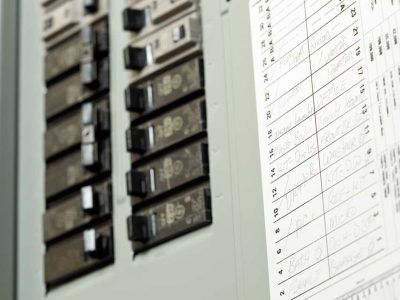
Whole-home surge protection is installed directly into the electrical panel.
The installation process includes:
- Connecting the SPD to the panel bus
- Integrating the device with the grounding system
- Selecting protection based on service size and load
- Testing the system after installation
Proper installation is essential because surge protection depends on a reliable path through the grounding system.
The Connection Between Grounding And Surge Protection
Surge protection relies heavily on proper grounding.
A surge device can only redirect excess voltage effectively when the system has:
- A proper path for surge energy to dissipate
- Continuous fault paths
- Correct grounding connections
This is why grounding conditions are evaluated before installing surge protection.
Learn more about related electrical safety corrections through our Grounding & Bonding Corrections services.
Surge Protection For Modern Electrical Systems
Whole-home surge protection is especially beneficial when installing or upgrading systems such as:
- EV chargers
- Battery backup systems
- Smart electrical panels
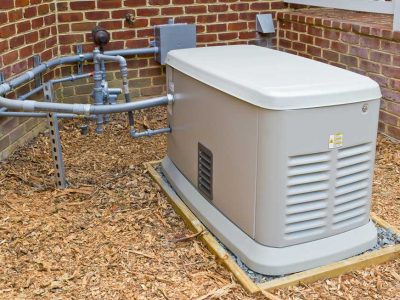
- Generator systems
- Sensitive electronic equipment
Modern electrical systems depend on more advanced components, making voltage stability more important.
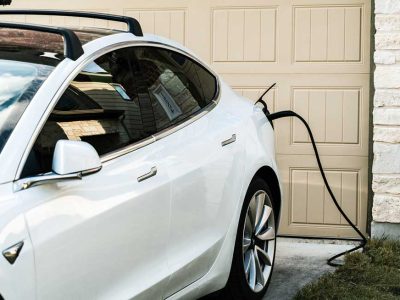
Learn more about protecting EV charging systems through our EV Charger Installation for Homes in Northern Colorado services.
After Storms And Electrical Events
Surge damage is not always immediately visible after an electrical event.
You may notice:
- Equipment behaving differently after outages
- New electrical problems appearing
- Surge protection devices needing replacement
- Electronics failing unexpectedly
Large electrical events often reveal weaknesses that were already present in the system.
Electrical Causes Of Surge Damage
Surge problems can result from:
- Voltage spikes exceeding system limits
- Poor grounding conditions
- Loose electrical connections
- Panel or conductor issues
- Increased resistance within the system
When these issues occur, electrical instability can spread throughout multiple systems in the home.
When Surge Protection Becomes A Larger Electrical Concern
Surge protection may be part of a larger electrical correction when you experience:
- Repeated equipment failures
- Whole-home electrical instability
- Multiple systems being affected
- Problems after storms or outages
At that point, the solution may involve evaluating the overall electrical system rather than only adding protection.
What We Commonly Find In Northern Colorado Homes
We see this often in homes around Erie where newer equipment has been added to older electrical systems. In areas like Johnstown, newer construction relies heavily on electronics and advanced equipment, making surge protection an important part of protecting those systems.
Related Electrical Services
- Electrical Panel Upgrades & Power Distribution
- Electrical Service Upgrades (100A, 200A, 400A)
- Load Calculations & Electrical System Planning
- Power Surges & Electrical Voltage Issues
Frequently Asked Questions
Whole-home surge protection is a device installed at the electrical panel that helps protect the entire electrical system from voltage spikes.
Yes. Power strips only protect individual devices and do not protect the entire home’s electrical system.
It can reduce the impact of electrical surges, but it cannot completely prevent damage from a direct lightning strike.
Surge protection devices can wear down over time, especially after major electrical events, and may eventually need replacement.
Many newer electrical systems include surge protection requirements depending on current electrical codes and installation standards.
It helps protect connected equipment throughout the electrical system, although some sensitive devices may still benefit from additional protection.
Yes. Many surges occur inside the home from equipment cycling on and off.
A surge protection device may stop providing protection after absorbing major events and may need replacement.
Yes. EV chargers contain sensitive electronics that can be affected by voltage fluctuations.
For homes with modern electronics, appliances, and electrical equipment, whole-home surge protection can help reduce long-term stress on the system.
Recent Projects


Schedule Whole-Home Surge Protection Service
Protect your home’s electrical system from unexpected voltage spikes with professionally installed whole-home surge protection. Contact us to schedule service or request an estimate for surge protection designed around your home’s electrical needs.