Whole-Home Vs. Partial Backup Systems In Northern Colorado
When the electrical grid fails, the primary question is not simply whether you have a backup system installed. It is what actually stays on inside your house.
Some properties are configured so seamlessly that life continues without a single interruption. Other homes rely on a focused setup engineered to maintain critical daily functions without overbuilding the system’s capacity.
Understanding the operational differences between whole-home and partial backup allows you to choose an energy architecture tailored precisely to your property’s daily needs.
In communities across Fort Collins, Greeley, Berthoud, and Windsor, both approaches offer effective protection against regional Front Range power outages.
Whole-Home Backup Systems
Whole-home backup is engineered to supply clean, continuous power to your property’s primary electrical panel without compromise.
When utility line voltage drops out:
- Every overhead light fixture, wall receptacle, and switch continues operating
- Central air conditioners, heat pumps, and furnace blowers run without interruption
- High-draw kitchen appliances, double ovens, and electric water heaters stay online
- Home offices, entertainment systems, and garage doors operate normally
There are no decisions or compromises required in the moment. Your living environment functions exactly as it does during normal grid operation.
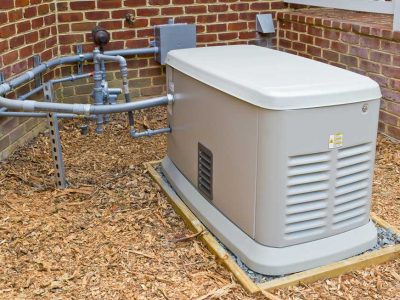
Whole-home backup setups require larger capacity equipment, typically utilizing high-output standby generators (20kW to 26kW+) or multiple stacked lithium battery storage units paired with an Automatic Transfer Switch (ATS). Learn more about standby generator architecture through our Backup Generators & Automatic Transfer Switches service page.
Partial Essential Load Backup Systems
Partial backup is designed around strict power prioritization. Instead of attempting to carry every circuit in the home, the system isolates high-priority branch lines onto a dedicated subpanel or manages them through smart panel technology.
Targeted partial backup priorities include:
- Food Preservation: Primary kitchen refrigerators and chest freezers
- Climate & Safety: Furnace blowers, boiler circulators, well pumps, and sump pumps
- Communication & Security: Wi-Fi routers, security systems, and mobile device charging
- Illumination: Overhead lighting across main hallways, kitchens, and stairwells
The goal of partial backup is not to run every luxury appliance simultaneously, but to maintain habitability, comfort, and safety throughout the duration of an outage.
By isolating essential loads, a smaller standby generator or battery bank consumes significantly less fuel or kilowatt-hours, drastically extending total operating run time during prolonged blackouts. Explore dynamic load control through our Smart Panels & Load Management service.
Comparing Whole-Home And Partial Backup Architectures
The choice between whole-home and partial backup impacts how your system is engineered, installed, and operated:
- Equipment Sizing & Footprint: Whole-home setups demand larger generators or multiple battery modules to absorb peak motor starting currents. Partial systems utilize compact generators or single battery units, reducing upfront equipment costs and physical footprint.
- Resource Efficiency & Run Time: During an extended utility outage, a partial backup setup running only essential circuits consumes significantly less natural gas, liquid propane, or stored battery energy, allowing you to ride out multi-day blackouts efficiently.
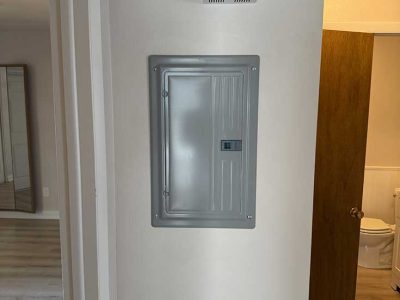
- Electrical Panel Configuration: Whole-home backup connects directly to your main utility service entrance using a whole-house transfer switch. Partial backup routes selected branch circuits to an emergency critical load subpanel or uses smart circuit breakers to manage line loads dynamically.
There is no single “correct” configuration, only the layout that aligns with how you live and how your property is used.
How To Determine The Right Backup Architecture
Choosing between whole-home and partial backup comes down to evaluating several key lifestyle and technical factors:
- Daily Household Dependency: Do you work from home full-time, run medical equipment, or manage high-demand property utilities that cannot tolerate downtime?
- Local Outage Frequency: Does your neighborhood experience occasional short blips, or are you located in rural Weld or Larimer County where storms cause multi-day blackouts?
- Budget and Infrastructure Priorities: Would you prefer to invest in complete grid independence, or do you want a cost-effective safety net that protects your core home functions?
- Future Expansion Plans: Are you planning to add solar storage, an EV charger, or secondary living additions that might change your baseline power needs later?
A master electrician evaluates your main electrical panel, runs formal load calculations on your appliances, and helps you design a system that delivers reliable protection without unnecessary complexity.
Related Pages
Explore these related service pages to learn more about home backup options, batteries, and load management:
- Backup Power for Homes
- Generator vs. Battery Backup
- Backup Generators & Automatic Transfer Switches
- Battery Backup Systems
- Smart Panels & Load Management
Frequently Asked Questions
Whole-home backup powers your entire main electrical panel, keeping every light, outlet, and major appliance active. Partial backup powers only high-priority essential circuits, such as refrigeration, heating, well pumps, and lighting, routed to a dedicated subpanel.
Yes. For many Northern Colorado homeowners, partial backup provides complete peace of mind by keeping the home warm, water running, food preserved, and communications open without the cost of a full-scale whole-home installation.
Yes. Whole-home backup requires larger standby generators (20kW–26kW+) or multiple paired lithium battery units to absorb high peak loads, like central air conditioners, along with heavy-duty service entrance transfer switches.
It depends on initial system planning. If your transfer switch, conduit, and panel layout were designed with future expansion in mind, adding generator capacity or extra battery modules is straightforward. If the original system was tightly sized for essential loads only, upgrading may require replacing core components.
Standard partial backup circuits include kitchen refrigerators, furnace blowers, boiler pumps, well and sump pumps, security systems, Wi-Fi routers, and select overhead lighting grids.
By powering only high-priority circuits and leaving non-essential heavy loads, like electric clothes dryers or hot tubs, off, the backup system operates at a lower continuous wattage, consuming far less natural gas, propane, or battery energy over time.
An Automatic Transfer Switch constantly monitors utility grid voltage. The moment grid power fails, the ATS disconnects your home from the utility line, preventing dangerous line backfeeding, and automatically signals your generator or battery system to take over the electrical load.
No. Partial backup systems utilize automatic transfer switches or smart panels that automatically route power to your pre-selected critical load subpanel within seconds of an outage, requiring zero manual intervention.
Yes. Modern smart panels allow you to control and prioritize individual branch circuits digitally from a smartphone app, transforming a whole-home setup into a flexible partial backup system during extended outages to conserve power.
The most common mistake is failing to account for motor starting surge wattage, such as well pumps or air conditioner compressors, leading homeowners to select an undersized partial backup unit that trips when heavy equipment cycles on.
Recent Projects

Schedule Professional Backup System Services
Selecting between whole-home and partial backup power is about building certainty into your home’s infrastructure. At RCI Electric, we analyze your property’s electrical profile, run accurate load calculations, and install backup power systems engineered to perform flawlessly when Front Range power lines go dark.
Call (970) 294-1208 or fill out our online form to schedule your expert service evaluation today.