EV Charger Installation For Homes In Northern Colorado
Electric vehicles are fundamentally changing how modern homes consume electrical power. Installing an EV charging system is not simply mounting a piece of hardware on a garage wall. It represents a major shift in how your home’s electrical infrastructure manages continuous amperage, total service capacity, and future power expansion.
Most homes were not originally built with electric vehicle charging, battery storage integration, or sustained high-load usage in mind. That is why electrical issues frequently surface once an EV charger enters daily use. Charging rates drop unexpectedly, circuit breakers trip during peak evening hours, or the system reaches its physical load limit.
At RCI Electric, we engineer and install home EV charging systems across Windsor, Johnstown, Loveland, Fort Collins, and surrounding Northern Colorado communities, ensuring your power supply remains safe, reliable, and fully code-compliant.
Where EV Charging Starts
Proper EV charger installation begins with evaluating your existing power distribution before any hardware is mounted.
- Charger Location & Layout: Selecting an optimal mounting location based on vehicle parking orientation, cable reach, and physical protection.
- Dedicated Branch Circuit Requirements: Installing an isolated 240V branch line direct from the main panel to meet strict safety standards.
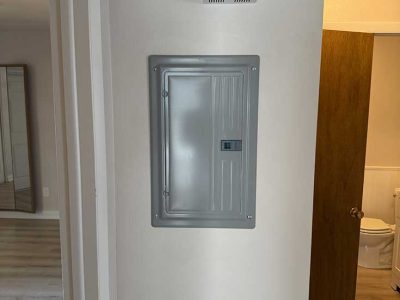
- System Compatibility: Assessing existing service panel capacity, bus bar health, and overall household electrical demand.
Learn more about initial planning and hardware options: EV Charger Installation.
The Standard For Most Homes: Level 2 Charging Systems
Level 2 charging systems represent the baseline standard for practical residential electric vehicle charging.
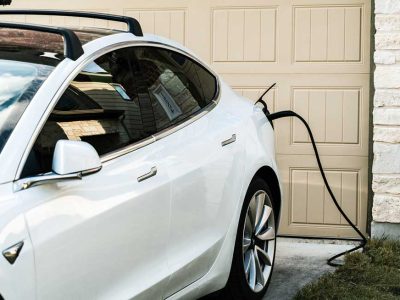
Operating on a 240V dedicated circuit, Level 2 chargers deliver significantly faster charging speeds than standard 120V Level 1 wall outlets, adding 20 to 40 miles of range per hour of charging. However, because Level 2 systems draw between 32 and 48 continuous amps for hours at a time, they represent one of the single largest continuous loads in any home.
Explore dedicated 240V charging configurations: Level 2 EV Charger Installation (240V Home Charging Systems).
When Electrical Demand Increases: Multi EV And High Demand Charging
Adding a second electric vehicle to a household completely changes how your electrical system behaves under load.
When two vehicles attempt to draw high continuous amperage simultaneously, unmanaged demand can quickly overload standard 200-amp residential electrical panels.
Managing multi-EV setups requires:
- Load Stacking Prevention: Preventing simultaneous peak continuous draws across multiple 240V branch lines.
- Smart Charging Priority & Scheduling: Programming charging cycles to run sequentially during off-peak utility hours.
- Dual-Port & Group Power Sharing: Utilizing load-sharing chargers that dynamically divide a single circuit’s capacity between two vehicles.
Read about expanding multi-vehicle charging capacity: Multi-EV & High-Demand Charging Systems.
Where Chargers Get Installed: Garage, Shop & Outdoor Locations
Where your charger is physically installed dictates the specific conduit, enclosure ratings, and wire sizing required for a safe installation.
- Attached Garage Installations: The most common setup, requiring clean conduit routing, wall stud anchor points, and proper cable management.
- Detached Shops & Outbuildings: Requires evaluating underground subpanel capacity, trench depth, and voltage drop over long cable distances.
- Outdoor Weatherproof Setups: Demands NEMA 4X weather-rated enclosures, UV-resistant conduit, and specialized GFCI overcurrent protection.
Review physical layout and mounting options: Garage EV Charger Installation.
Backup Power Integration
Integrating electric vehicle charging with home energy backup systems introduces unique operational limits that must be engineered carefully.
EV Charging With Battery Systems
Charging an EV during a grid outage using home battery storage can deplete energy reserves rapidly. Systems must be configured with smart load prioritization to prevent an EV charger from draining essential household backup circuits.
Learn about battery storage compatibility: EV Charging With Battery Backup Systems.
EV Charging With Generators
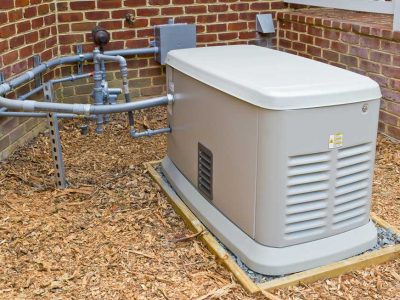
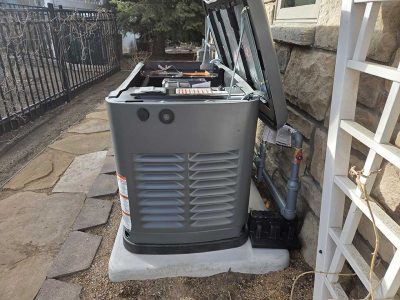
Portable and standby generators can support EV charging during extended power outages, but only when carefully matched to generator surge capacity and output clean power wave frequencies.
- Generator Capacity vs. EV Load: Ensuring the generator’s continuous wattage rating comfortably exceeds charger draw.
- Transfer Switch Integration: Utilizing manual or automatic transfer equipment to isolate backup circuits safely.
- Automated Load Shedding: Automatically disconnecting the EV charger if generator output drops or household HVAC units activate.
Explore backup generator integration: EV Charging With Generators & Backup Power.
Managing Power Instead Of Adding More: Smart Load Management
Modern energy management solutions allow homeowners to install fast Level 2 charging without undergoing costly utility service entrance upgrades.
Smart energy monitors and intelligent subpanels continuously track your home’s total real-time energy consumption. When major appliances like central air conditioners, water heaters, or electric ovens turn on, smart load management automatically throttles or pauses EV charging power. Once household consumption drops, vehicle charging resumes at full capacity.
Read about intelligent power distribution: Smart EV Load Management Systems.
When Something Isn’t Working: Troubleshooting And Performance
Most EV charging problems surface several days or weeks after installation, once the system operates under sustained, real-world continuous load.
Common performance issues include:
- Throttled or Slow Charging: The vehicle onboard computer automatically reduces charge speed due to voltage drop on undersized conductors.
- Delayed Breaker Trips: Thermal accumulation inside an aging or overloaded panel causes double-pole breakers to trip after 2 to 3 hours of operation.
- Charging Interruptions: Unmanaged load stacking causes main panel overloads, shutting down power to vehicle chargers mid-cycle.
When performance issues appear, expert diagnosis is required. Explore our guide on EV Charger Problems & Troubleshooting.
When EV Charging Becomes A System Level Issue
Installing an electric vehicle charger frequently exposes broader capacity limits within a home’s power distribution infrastructure:
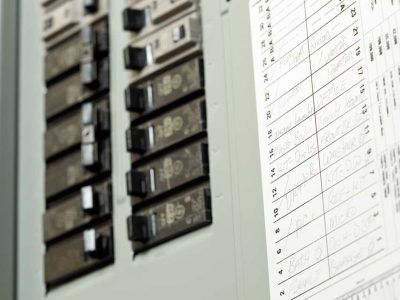
- Your main service panel lacks physical slot space for a dedicated double-pole breaker.
- Total calculated electrical load exceeds your home’s existing 100-amp or 150-amp utility service entrance.
- Simultaneous operation of HVAC, electric dryers, and EV chargers causes widespread lighting dimming.
- Legacy panel bus bars show signs of thermal fatigue, oxidation, or loose connections.
When adding an EV charger exceeds your home’s available power supply, a broader system upgrade is required.
Related Pages
Explore these related services to learn more about home power systems and EV integration:
- Electrical Panel Upgrades & Power Distribution
- EV Charger Circuits
- Load Calculations & Electrical System Planning
- Smart Panels & Load Management
- Backup & Alternative Power Systems
Frequently Asked Questions
Not always. Whether you need a panel upgrade depends on your existing service size (100A vs. 200A), available breaker slot space, and your home’s total calculated electrical load. A professional load calculation will determine if your panel can safely support a new 240V circuit.
Most homeowners choose a 40-amp or 48-amp Level 2 charger installed on a 50-amp or 60-amp dedicated 240V circuit. This configuration provides fast overnight charging for virtually all modern electric vehicles.
Yes, but charging multiple vehicles simultaneously requires careful electrical planning. You can install a multi-vehicle setup using dual-port chargers, smart load-sharing circuits, or dedicated lines backed by a panel upgrade.
Slow charging is usually caused by excessive voltage drop over long wire runs, an improperly configured charger current setting, or smart vehicle software throttling power due to high continuous temperatures at the receptacle or panel.
Yes. Because Level 2 EV chargers draw heavy continuous current for hours, adding one to an already maxed-out electrical panel without proper load planning can trip main breakers and overheat panel components.
Yes. Installing a charger in a detached structure requires verifying that the outbuilding’s subpanel has adequate capacity and ensuring underground feeder wires are correctly sized for distance and voltage drop.
Yes, provided your home is equipped with a battery backup system or standby generator specifically engineered and configured to handle heavy continuous EV charging loads without draining backup reserves.
Your system is ready if your main panel has open 240V breaker slots, your total utility service has unused amperage capacity, and your branch conductors are sized to support higher continuous current.
Smart load management is highly recommended if your electrical panel operates near capacity or if you want to avoid a costly main utility service upgrade while still enjoying fast Level 2 charging.
The most common mistake is installing an undersized wire gauge or failing to apply the National Electrical Code 125% continuous load rule, which leads to overheating conductors, melted wall outlets, and persistent breaker trips.
Recent Projects


Call RCI Electric For Professional EV Charger Installation In Northern Colorado
Installing an EV charger is not just mounting a device on the wall. It is integrating a major continuous load into your home’s power distribution system. At RCI Electric, we design EV charging systems based on real usage, available capacity, and long-term expansion so your setup works safely now and keeps up with future power demands.
Ready to install a Level 2 EV charger in your home? Call (970) 294-1208 or fill out our online form to schedule your expert service evaluation today.