Specialty Outlets & Receptacles in Northern Colorado
Most outlet issues are not caused by the receptacle itself. They often result from using the wrong type of device for the specific application. What appears to be a simple wall outlet is often engineered to perform an important safety function: protecting against electrical shock, preventing fires, securing equipment connections, or integrating with backup power systems.
When the wrong receptacle is installed, or required protection is missing, problems can develop quickly. From moisture-prone kitchens to emergency generator connections, specialty outlets help ensure your home’s power distribution operates safely, efficiently, and according to electrical code requirements.
Where Specialty Outlet Details Matter
Installing specialty receptacles requires careful planning, especially when electrical devices must integrate with custom finishes, cabinetry, outdoor features, or specialized equipment.
We worked on a kitchen project in Loveland where pop-up outlet towers were being installed directly into a custom granite island countertop. The placement required total precision because once the stone fabricators made the cuts, there was no room for adjustment. Everything had to be coordinated together, including cabinet clearance, countertop dimensions, device spacing, and circuit routing.
If the outlet box was positioned incorrectly by even a small amount, the pop-up mechanism would not sit flush or operate properly. The final installation looked seamless, but achieving that result required planning the electrical system just as carefully as the surrounding finish work.
That is the difference between simply installing an outlet and properly integrating it into your home’s electrical system.
Why Specialty Receptacles Exist
Standard 15A and 20A duplex outlets are designed for general indoor electrical use. As homes became more advanced and electrical demands increased, specialized receptacles were developed to address specific safety requirements, environmental conditions, and equipment needs.
Specialty outlets provide:
- Shock Protection: Quickly disconnecting power when electrical current leaves its intended path.
- Fire Prevention: Detecting dangerous electrical arcing that could create fire risks.
- Secure Equipment Connections: Preventing accidental disconnection during generator use, machinery operation, or heavy loads.
- Backup Power Integration: Allowing generators to connect safely without backfeeding utility lines.
- Modern Convenience: Adding smart controls, energy monitoring, and built-in USB charging capabilities.
To explore additional specialty receptacle solutions, review our guide on Specialty Outlet Systems.
Common Specialty Receptacle Types
Choosing the correct receptacle for each application is essential for electrical safety, equipment performance, and code compliance.
GFCI Outlets (Ground Fault Circuit Interrupter)
GFCI outlets protect against electrical shock by continuously monitoring the balance of electrical current flowing through hot and neutral conductors. If electricity begins leaking through water, damaged equipment, or a person, the GFCI detects the imbalance and shuts off power within milliseconds.
GFCI protection is commonly required in areas exposed to moisture, including:
- Kitchen countertops and island receptacles
- Bathrooms and powder rooms
- Garages, unfinished basements, and crawl spaces
- Outdoor receptacles and patio living areas
AFCI Protection (Arc Fault Circuit Interrupter)
While GFCI devices protect people from electrical shock, AFCI protection helps protect homes from electrical fires. AFCI technology detects dangerous electrical arcing caused by damaged wiring, loose connections, or deteriorating electrical components.
AFCI protection is required by the National Electrical Code (NEC) on many residential branch circuits supplying areas such as bedrooms, living rooms, dining rooms, and hallways. This protection is commonly provided through AFCI breakers installed in the electrical panel.
For broader electrical protection solutions, explore our options for Electrical Panel Upgrades.
Twist Lock Receptacles
Twist lock outlets use curved prongs that secure into place when inserted and rotated. This locking design prevents plugs from loosening due to vibration, movement, or cord tension.
Twist lock receptacles are commonly used for:
- Portable generators
- Heavy shop equipment and machinery
- Welders and compressors
- Temporary power connections
Generator Inlet Receptacles
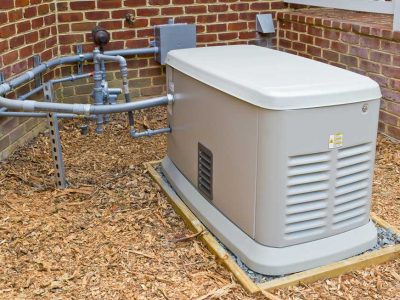
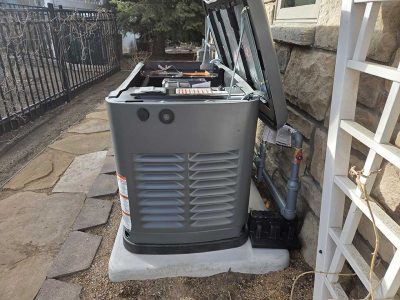
A generator inlet is a weatherproof exterior receptacle designed to safely connect a portable generator to your home’s electrical system. Unlike unsafe extension cord setups, generator inlets are installed specifically for controlled power transfer.
Generator inlet requirements typically include:
- 30-amp or 50-amp 240V ratings
- Connection to a proper transfer switch or panel interlock system
- Protection against dangerous electrical backfeeding into utility lines
To learn more about safe backup power connections, see Backup Generators & Automatic Transfer Switches.
USB & Smart Outlets
Modern specialty receptacles add convenience and functionality directly into your home’s electrical system.
- USB & USB-C Integrated Outlets: Provide built-in charging capabilities without occupying standard receptacles, making them useful in kitchens, offices, bedrooms, and charging areas.
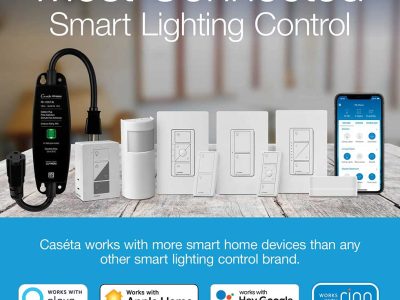
- Smart Outlets: Add remote control, scheduling, energy monitoring, and smart home integration through connected electrical devices.
How Specialty Outlets Connect to Your Electrical System
Even small receptacles are directly connected to your home’s larger electrical infrastructure. Every outlet depends on proper circuit design, wiring, protection devices, and grounding.
Important considerations include:
- Circuit Load & Wire Capacity: Receptacles must match the branch circuit wiring, such as 14 AWG wiring for 15A circuits and 12 AWG wiring for 20A circuits.
- Upstream Protection: Additional outlets can receive GFCI protection when properly wired downstream from a protected device.
- Grounding & Bonding Integrity: Safety devices require proper grounding connections back to the main electrical panel.
Installing the wrong receptacle or incorrectly connecting line and load terminals can leave your home without critical safety protection. Learn how proper circuit design supports outlet performance with Dedicated Circuit Installation.
When Outlet Problems Indicate Larger Electrical Issues
Outlet problems are often the first visible sign of deeper electrical issues throughout a home.
Warning signs include:
- GFCI outlets that repeatedly trip or will not reset
- Wall plates that feel warm or hot during normal use
- Scorch marks, discoloration, or buzzing sounds near receptacles
- Loose outlets where plugs no longer fit securely
- Unsafe generator connections or improper temporary power setups
When specialty outlets show signs of failure, professional diagnosis is important. Learn more about resolving electrical problems through Circuit Troubleshooting & Load Issues and Grounding & Bonding Corrections.
Related Pages
Explore these related electrical services to learn more about outlets, wiring, and power distribution:
- Electrical Circuits & Wiring
- Circuit Troubleshooting & Load Issues
- Grounding & Bonding Corrections
- Dedicated Circuit Installation
- Specialty Outlet Systems
Frequently Asked Questions
GFCI devices protect people from electrical shock by detecting current leakage, while AFCI protection helps prevent electrical fires by detecting dangerous electrical arcing.
No. GFCI protection is generally required in moisture-prone locations such as kitchens, bathrooms, garages, unfinished basements, outdoor areas, and locations near sinks. Many living areas instead require AFCI protection.
A GFCI outlet may fail to reset because of an active ground fault, incorrect wiring, loss of power from the breaker panel, or a failed internal component.
Replacing a receptacle requires proper identification of line and load wiring. Incorrect connections can prevent the GFCI from protecting downstream outlets or cause the device to malfunction.
Older homes may not always require upgrades under their original code requirements, but AFCI protection may be required when extending circuits or making certain electrical modifications.
Portable generators should connect through a properly installed generator inlet with a transfer switch or panel interlock system. Generators should never be connected through standard household outlets.
Yes, as long as the electrical box has enough space, the circuit is properly rated, and the wiring is in good condition.
No. Smart outlets add control and monitoring features but still operate within the amperage limits of the existing circuit.
A warm or hot outlet can indicate loose connections, worn internal components, excessive electrical resistance, or an appliance drawing more power than the circuit can safely support.
Twist lock outlets provide a secure connection for equipment that may experience vibration, movement, or continuous operation. They are commonly used for generators, shop equipment, and specialized machinery.
Recent Projects



Call RCI Electric for Specialty Outlet Installation in Northern Colorado
Choosing the correct specialty outlet is about more than convenience. The right receptacle protects your home, supports your equipment, and ensures your electrical system operates safely.
RCI Electric provides specialty outlet installation, GFCI and AFCI upgrades, generator inlet installations, and advanced receptacle solutions throughout Loveland, Fort Collins, Greeley, and surrounding Northern Colorado communities.
Ready to upgrade your home’s outlets? Call (970) 294-1208 or fill out our online form to schedule your service evaluation today.