Why Is My EV Charger Not Charging? Causes And Electrical Issues In Homes In Northern Colorado
When an EV charger has power but will not actually charge the vehicle, it is usually not a random equipment glitch. There is often an underlying electrical issue preventing the system from delivering power correctly.
Charging only begins when the entire power delivery path is operating together. If one part of that chain falls short, whether it is voltage delivery, circuit capacity, or digital communication between the charger and vehicle, charging simply will not happen.
In mountain and rural communities like Livermore, Red Feather Lakes, and Bellvue, this is one of the more confusing EV issues because everything appears to be turned on, yet the vehicle receives no power.
What Is Actually Happening
For charging to start, a complete electrical and communication handshake must be established:
- Power supplied from the main service panel
- Correct, stable voltage reaching the charger terminals
- Digital communication handshake between charger and vehicle
- Sufficient available capacity on the electrical system
If any part of that chain is missing or unstable, the charging session will fail to initiate. Learn more about how branch lines handle high demand through our EV Charger Circuits services.
Common Causes Of An EV Charger Not Charging
No Power To The Charger
Common electrical causes include:
- A tripped double-pole circuit breaker
- An upstream GFCI device or disconnect switch turned off
- Complete loss of voltage reaching the unit terminals
Circuit Or Wiring Issues
Electrical problems within the charging circuit can prevent proper operation, including:
- Loose or damaged wire terminations inside junction boxes
- Undersized copper conductors causing severe voltage drop
- A neutral or grounding fault within the branch circuit
Charger Or Connection Issues
Problems with the charging equipment itself may include:
- A loose charging cable plug or damaged connector pins
- A worn NEMA 14-50 wall receptacle losing physical contact
- Internal contactor failure within the charger unit
Vehicle Communication Issues
Modern EV chargers rely on communication between the charger and vehicle. Issues can occur when:
- The charger pilot signal and vehicle onboard computer fail to sync
- Charging session scheduling conflicts exist inside vehicle software
- The vehicle limits or rejects the charging command
Load Or System Limitations
Your electrical system may also prevent charging when:
- The main panel is operating at maximum capacity
- Smart load management actively blocks the charging session
- Insufficient available voltage reaches the property
Charger Has Power But Will Not Charge
This is one of the most frequent service calls we handle.
What It Looks Like
- The charger unit is powered on with active indicator lights or display screens
- The charging cable is firmly plugged into the vehicle port
- The vehicle displays a “Not Charging” or error message
- Zero power flows to the vehicle battery
What It Usually Means
- The electrical system is restricting additional continuous load
- A pilot control signal or communication handshake issue exists between the charger and vehicle
- The branch line is failing to deliver correct voltage under initial load
Power being present at the outlet does not mean that power is usable under load.
Charging Starts Then Immediately Stops
Some systems begin a charging session normally, only to shut down shortly after.
Real World Behavior
- Charging initiates and the vehicle displays an active charging status
- Power cuts off after a few seconds or minutes
- The session attempts to restart automatically or fails completely
Primary Causes
- Immediate load conflicts when another major household appliance cycles on
- Severe voltage instability or sag under heavy amperage draw
- Smart energy storage or load management shedding the circuit
This indicates a system stability issue rather than a defective charger unit.
System Dependencies For EV Charging
EV charging relies on several electrical conditions remaining stable:
- Consistent voltage delivery under heavy continuous current
- Correctly sized copper conductors and overcurrent protection
- Adequate available headroom on the main electrical panel
- Solid, high-torque electrical connections free from oxidation
If any of these conditions weaken, charging can fail entirely. Read more about how we diagnose branch line failures through our Circuit Troubleshooting And Load Issues services.
What We Check When Diagnosing No Charge Issues
At RCI Electric, we perform system-wide diagnostics to isolate why charging power is blocked.
System Evaluation
We evaluate incoming service size, baseline power consumption, main panel condition, and total available amperage across both hot legs.
Circuit Level Diagnostics
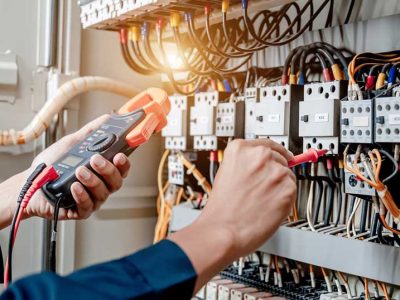
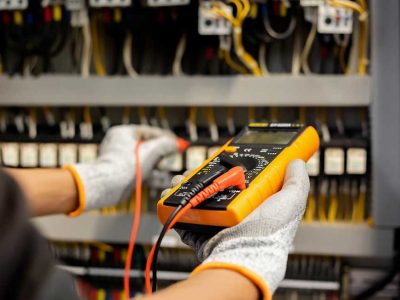
We test breaker status, measure line voltage at the charger under simulated load, and inspect wire terminations for loose screws or heat damage.
Load Interaction Review
We verify what other appliances are running simultaneously, test load management controls, and check for active load restrictions.
Equipment Verification
We test the charger’s internal relays, inspect the charging handle plug pins, and evaluate vehicle response.
Real World Problems We Run Into
- An EV charger installed on an unstable or improperly shared circuit
- A breaker that is partially tripped or internal contacts that have degraded
- A NEMA 14-50 wall receptacle or terminal connection burning out under load
- Charging actively blocked by smart energy monitors or panel capacity limits
- Systems operating inconsistently due to long wire runs without proper conductor upsizing
In areas like Red Feather Lakes and Bellvue, longer cable runs from panels to detached garages or outbuildings make these issues show up faster under real-world use.
When Not Charging Points To A Larger Problem
If your EV charger consistently fails to charge, resolving the issue may go beyond replacing the wall unit:
- Usable operating voltage cannot reach the charger location
- The main service panel lacks total capacity to support a continuous 240V load
- Main service panel bus bars or feeder wires are failing under load
- Existing branch line wiring has suffered physical or thermal breakdown
At that point, the solution is correcting the underlying power infrastructure rather than troubleshooting equipment. Explore your options for Electrical Panel Upgrades to improve system capacity and reliability.
Related Pages
Explore these related service pages to learn more about EV charger performance and troubleshooting:
- EV Charger Problems And Troubleshooting
- Why Does My EV Charger Keep Tripping The Breaker?
- Why Is My EV Charger Slow?
- Level 2 EV Charger Installation
Frequently Asked Questions
This usually occurs when the charger and vehicle cannot complete their digital pilot signal handshake, or when line voltage drops below the vehicle’s safe operating threshold under initial load.
Yes. Worn internal contact clips inside a NEMA 14-50 receptacle create high resistance, causing severe voltage drop or excessive heat that triggers safety shutoffs.
Not necessarily. Most no-charge conditions stem from electrical system limitations, tripped upstream breakers, improper line voltage, or vehicle software scheduling conflicts rather than a broken charger.
Yes. Loose terminal screws, corroded copper conductors, or improper grounding will prevent the charger from establishing a stable connection with the vehicle.
Yes. If your home is equipped with a smart load manager or dynamic load shedder, it will temporarily pause EV charging whenever total household power draw exceeds safe limits.
If your charger is connected to a shared branch line or an undersized wire run that experiences severe voltage sag, installing a new dedicated 240V circuit may be required.
Yes. Electric vehicle onboard chargers monitor incoming line voltage closely. If voltage sags below acceptable limits due to long wire runs or heavy grid demand, the vehicle will reject charging.
Testing the vehicle on a public Level 2 charger or testing a different vehicle on your home charger can help determine whether the issue lies in the vehicle or your home’s electrical infrastructure.
The most common reason is an unexpected voltage drop or thermal buildup along the branch line when major household appliances cycle on simultaneously.
Yes. Older panels with worn bus bars, loose main lugs, or insufficient total amperage capacity often fail to deliver the clean, continuous power required by modern Level 2 chargers.
Recent Projects


Schedule Professional EV Charger Troubleshooting With RCI Electric
If your EV charger is powered on but failing to charge, the issue is rarely a mystery. It is often your electrical system reacting to power delivery bottlenecks. At RCI Electric, we diagnose EV charging failures at the circuit and system levels so your vehicle charges reliably every time.
Call (970) 294-1208 or fill out our online form to schedule your expert service evaluation today.