Multi-EV and High-Demand EV Charging Systems for Homes in Northern Colorado
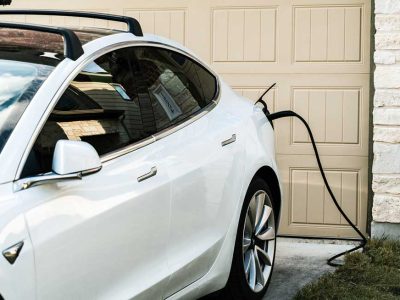
Adding a second electric vehicle does not just double charging demand. It fundamentally changes how your entire electrical system behaves. What works reliably for one vehicle often breaks down as soon as a second Level 2 charger is introduced. Charging rates drop, double-pole breakers trip, and appliances start competing for available capacity.
In homes across Fort Collins, multi-EV setups either operate smoothly or expose system limits almost immediately. At RCI Electric, we design, balance, and install high-demand multi-EV charging infrastructure built to handle real-world household power loads safely.
What Multi-EV Charging Actually Changes
A second EV charger does not operate in isolation. It stacks directly on top of your home’s existing continuous base load.
Key changes introduced by multi-EV setups include:
- Multiple Simultaneous Continuous Loads: Drawing 64A to 96A of continuous power across two independent 240V lines.
- Massive Service Panel Demand: Consuming up to 50% or more of a standard 200-amp main utility service entrance.
- Greater Thermal Stress During Peak Hours: Generating continuous heat inside panel enclosures overnight when both vehicles charge at once.
Adding a second vehicle is not just installing another wall unit. It is multiplying continuous load across your entire power distribution system.
Why Multi-EV Systems Start Breaking Down
An electrical system that handles one Level 2 charger without issue can quickly become unstable when a second vehicle is plugged in.
Common multi-EV system issues include:
- Main or branch breakers tripping when both vehicles charge simultaneously
- Charging speeds dropping significantly as onboard vehicle computers react to voltage drop
- Smart chargers automatically throttling output to prevent severe voltage collapse
- Panel bus bars running hot due to unbalanced load distribution across 120V hot legs
When simultaneous charging fails, the limitation is rarely the vehicle or charger hardware. It is the underlying electrical distribution layout.
The Challenge of Load Stacking
Multi-EV charging creates a severe scenario known as load stacking, where multiple high-demand continuous appliances draw power at the exact same time.
A typical multi-EV load stack includes:
- EV Charger #1 (32A to 48A continuous)
- EV Charger #2 (32A to 48A continuous)
- Central HVAC compressor or heat pump (20A to 40A inrush/running)
- Electric water heater, range, or clothes dryer (24A to 40A)
Individually, each appliance is properly wired and code-compliant. Combined, total household demand quickly exceeds safe main panel limits.
A Real-World Scenario
Consider a home where the first EV charger runs without issue. A second charger is installed without a load calculation. Everything appears fine until real usage overlaps: both vehicles plug in overnight, the central AC cycles on, and a late laundry load runs.
Suddenly, the main breaker trips or charger output drops dramatically. The system is operating as designed to protect your home from fire, but it was simply never engineered for simultaneous high continuous demand.
To see how we calculate total system capacity, review our Load Calculations and Electrical System Planning services.
Electrical Requirements for Multi-EV Systems
Engineering a successful multi-EV charging setup requires system-wide power planning rather than adding branch lines piece by piece.
Core technical requirements include:
- Strictly dedicated 240V branch circuits for each individual charger
- Conductors and double-pole breakers sized to the National Electrical Code 125% continuous load rule
- Phase balancing across main panel bus bars to equalize heat distribution
- Accurate total load calculations that account for simultaneous peak draw
Load Management Solutions for Multi-EV Homes
When utility service capacity is limited, power must be managed intelligently rather than simply adding larger breakers.
Smart Load-Sharing Chargers
Smart chargers communicate directly with each other over Wi-Fi or hardwired data lines. When one vehicle is plugged in, it charges at full speed (for example, 48A). When the second vehicle plugs in, the chargers automatically share the available circuit capacity (24A each), bringing both up to full power as charging completes.
Dynamic Load Shedding and Limiting
Intelligent current sensors monitor real-time power draw at your main service panel. If household power usage spikes, such as the electric oven and HVAC turning on, the load manager automatically throttles or pauses EV charging until household consumption drops.
Smart Electrical Panels
Modern smart panels allow full mobile app control and automated circuit prioritization. During peak hours or grid disruptions, smart panels automatically divert power away from secondary loads to prioritize vehicle charging or essential household circuits.
To learn more about intelligent energy controls, review our Smart EV Load Management Systems and Smart Panels and Load Management services.
Multi-EV Charging Configurations
Choosing the right configuration depends on your home’s main panel capacity, parking layout, and daily driving habits.
Dual Dedicated Circuit Setup
Features two independent, full-amperage 240V circuits running directly from the main panel. This requires a 200-amp or 400-amp main service with substantial available capacity, allowing both vehicles to charge at maximum speed simultaneously.
Group Power-Sharing Setup
Uses a single high-amperage feeder line to supply a subpanel or dual-port charger that dynamically splits up to 48A or 60A between two vehicles. This eliminates the need for a costly utility service upgrade while still providing complete overnight charging.
High-Amperage Service Upgrades
For high-mileage households requiring full-speed simultaneous charging for two or more vehicles, upgrading to a 300-amp or 400-amp dual-panel service provides unrestricted power delivery.
When Multi-EV Charging Requires System Upgrades
Installing a second Level 2 EV charger often exposes existing infrastructure limits within a home:
- Physical Panel Limits: The main panel has no open 240V breaker slots remaining.
- Utility Service Limits: A standard 100-amp or older 150-amp utility service entrance lacks the amperage required for multiple continuous high-draw loads.
- Simultaneous Overload Conflicts: Simultaneous operation of climate control, electric appliances, and two chargers triggers main breaker trips.
When your power supply reaches capacity, explore your options for Electrical Panel Upgrades and Electrical Service Upgrades (100A, 200A, 400A).
Planning for Future Multi-EV Expansion
If your household currently owns one electric vehicle but plans to add a second in the coming years, pre-planning your electrical infrastructure saves time and money.
Proactive planning includes:
- Installing an oversized subpanel in the garage during the first charger installation
- Running conduit sized to accommodate additional heavy-gauge copper conductors later
- Calculating panel capacity for two vehicles during initial service upgrades
Planning today prevents having to tear out and rebuild wiring when your second vehicle arrives.
Regional System Performance
In Fort Collins and Windsor, multi-EV setups work well when system loads are planned from the beginning. In Brighton and Johnstown, limitations tend to surface quickly when a second charger is added to an older 100-amp or builder-grade 150-amp panel that is already operating near capacity.
Related Pages
Explore these related service pages to learn more about high-demand EV charging setups:
- EV Charger Installation for Homes in Northern Colorado
- Level 2 EV Charger Installation (240V Home Charging Systems)
- EV Charger Circuits
- Smart Panels and Load Management
Frequently Asked Questions
Yes. Installing two Level 2 EV chargers is common, but it requires a complete electrical load calculation to determine whether your main service can support dual circuits simultaneously or if load-sharing hardware is required.
Both vehicles will charge at full speed only if your main service panel has adequate capacity for two independent, full-amperage circuits, such as a 200A or 400A service. Otherwise, a smart load-sharing system will split available power between both vehicles.
Charging slows down when using a smart load-sharing system designed to split a single circuit’s maximum amperage between two vehicles, or when smart vehicle software throttles power due to line voltage drops.
Often, yes. Adding a second 40A or 50A continuous 240V circuit frequently exceeds the available headroom on older 100A or 150A panels, requiring a panel upgrade or a smart load management device.
Two EVs can share a single branch circuit only if you use specialized, hardwired load-sharing chargers engineered to communicate with each other and cap total combined draw to 80% of the breaker rating.
Smart load sharing is a feature in compatible chargers that dynamically allocates available circuit amperage. If one vehicle is plugged in, it gets 100% power. When a second vehicle plugs in, power is divided equally until one finishes charging.
Generally, no. A 100-amp panel lacks the capacity to support two Level 2 EV chargers alongside standard household HVAC, water heating, and kitchen appliances without advanced load management or a service upgrade.
A 400-amp service is recommended for large homes with high baseline power usage, multiple HVAC zones, hot tubs, and two or more high-amperage (48A) Level 2 chargers charging at full speed simultaneously.
Installing a second charger without verifying capacity leads to frequent main breaker trips, thermal stress on panel bus bars, overheated conductors, and potential damage to household electronics.
Yes. We can install an oversized garage subpanel or run larger conduit during your first charger installation, making adding a second circuit in the future fast and cost-effective.
Recent Projects


Call RCI Electric for Multi-EV Charging Systems in Northern Colorado
Adding a second electric vehicle changes your home’s power demands more than most homeowners anticipate. At RCI Electric, we design multi-EV charging systems that manage real-world loads, prevent main panel overloads, and scale cleanly with your future energy needs.
Ready to set up a dual or high-demand EV charging system? Call (970) 294-1208 or fill out our online form to schedule your expert service evaluation today.