Grounding & Bonding Corrections for Homes in Estes Park
Why Grounding And Bonding Matter
Grounding and bonding are critical parts of your electrical system because they help protect your home when something goes wrong. When a fault occurs, the system relies on these paths to safely direct electrical current so breakers can trip and prevent equipment from remaining energized.
When grounding or bonding is installed incorrectly, the electrical system may still appear to work normally. However, it may not respond correctly during a fault, creating risks such as shock hazards, equipment damage, and unpredictable electrical issues.
Grounding vs Bonding
Grounding and bonding serve different purposes, but both are required for a safe electrical system.
Grounding:
Provides a connection to earth through the grounding electrode system.
Bonding:
Connects metal components throughout the electrical system so fault current has a reliable path back to the source and allows protective devices to operate.
Grounding helps direct electrical energy safely, while bonding ensures the system components remain at the same electrical potential. Both must work together for breakers and safety devices to function properly.
Learn more about related electrical service components through our Electrical Service Upgrades (100A, 200A, 400A) services.
Grounding Electrode Systems
A proper grounding system may include several different grounding electrodes depending on the property and construction.
Common grounding electrodes include:
- Ground rods driven into the earth
- Concrete-encased electrodes, also known as Ufer grounds
- Metal underground water piping when available and continuous
- Ground rings in certain applications
- Structural steel where applicable
Ground rods are one of the most common grounding methods, but soil conditions can impact how effective they are. In mountain areas like Estes Park, rocky and granite-heavy soil can make proper grounding more challenging. Some properties may require additional grounding electrodes or alternative solutions to create a complete grounding system.
The final grounding setup depends on the structure, soil conditions, and available grounding components. All available grounding electrodes must be properly bonded together as part of one complete grounding electrode system.
Grounding Components We Inspect
A properly functioning grounding system depends on more than just the ground rod itself.
We evaluate:
- Grounding electrode conductors
- Ground clamps and approved connectors
- Conductor sizing based on service requirements
- Continuity of the grounding path
- Corrosion or physical damage
- Accessibility of grounding connections where required
Grounding connections must remain secure, properly sized, and resistant to deterioration over time.
Bonding Requirements For Residential Systems
Bonding keeps metal components throughout your home connected so fault current can return safely to the electrical source.
We inspect bonding connections involving:
- Main electrical panels
- Service equipment
- Meter bases
- Metal conduit and raceways
- Water piping systems
- Gas piping where applicable
- Structural metal components
- Equipment enclosures
Without proper bonding, metal parts that should be safely connected may become energized during a fault.
Gas Pipe Bonding
Gas piping bonding requirements can vary depending on local jurisdiction and inspection requirements.
The NEC requires metal piping systems that could become energized to be properly bonded. Some utilities and inspectors specifically check gas piping bonding during service upgrades, inspections, or electrical modifications.
When applicable, we typically recommend proper gas pipe bonding because it helps reduce potential voltage differences between metal systems throughout the home.
Subpanel Grounding And Bonding Issues
One of the most common grounding problems we find involves incorrectly configured subpanels.
A properly installed subpanel should have:
- An isolated neutral conductor
- Ground conductors bonded to the enclosure
- A separate grounding path back to the main service
Incorrect neutral and ground bonding in a subpanel can create:
- Parallel current paths
- Unpredictable electrical behavior
- Improper fault clearing
- Increased safety risks
Learn more about proper distribution solutions through our Electrical Subpanel Installation services.
Common Grounding And Bonding Problems
Electrical systems can develop grounding issues for many reasons, including:
- Missing or improperly installed ground rods
- Loose or corroded grounding connections
- Incorrect service bonding
- Missing water pipe bonding
- Missing metal system bonding
- Improper subpanel configuration
- Grounding systems that were added without integrating them correctly
Many of these problems are not obvious without a proper inspection.
What Homeowners May Notice
Grounding and bonding issues can create electrical problems that seem unrelated at first.
Common signs include:
- Breakers not tripping when they should
- Tingling sensations from metal surfaces
- Flickering across multiple circuits
- Electronics failing unexpectedly
- Electrical problems affecting multiple areas of the home
These issues can sometimes point to grounding problems rather than a single wiring issue.
For related voltage issues, see our Power Surges & Electrical Voltage Issues page.
Grounding Problems In Older Homes
Older homes may have electrical systems that were installed before current grounding expectations were established.
Common issues include:
- No grounding electrodes installed
- Partial grounding systems
- Reliance only on water piping for grounding
- Electrical modifications completed without grounding updates
- Missing bonding connections
These systems may continue operating, but they may not provide the protection expected from a properly updated electrical system.
Grounding Issues After Storms And Electrical Events
Storms, outages, and electrical events can expose weak grounding systems.
After these events, homeowners may notice:
- Loose or damaged grounding connections
- Surge-related equipment failures
- Electrical instability after power restoration
- New problems that were not previously present
Grounding problems often become noticeable after the system experiences additional stress.
Electrical Causes Of Grounding Issues
Grounding and bonding problems can result from:
- High-resistance connections
- Loose grounding or neutral conductors
- Missing bonding jumpers
- Undersized grounding conductors
- Improper fault current paths
When fault current cannot return properly, breakers may not trip as intended.
How We Evaluate Grounding And Bonding
We inspect the complete grounding and bonding system rather than focusing on only one component.
Our evaluation includes:
- Ground rods and grounding electrode systems
- Grounding conductor condition and sizing
- Bonding connections throughout the home
- Panel bonding configuration
- Subpanel neutral and ground separation
- Corrosion, damage, and loose connections
We frequently find grounding issues in homes around Estes Park where electrical systems have been expanded or modified without updating the grounding system.
When Grounding Corrections Are Needed
Grounding and bonding corrections may be necessary when:
- An inspection identifies grounding issues
- A panel or service upgrade requires updates
- Previous electrical work was completed incorrectly
- Electrical issues suggest improper fault clearing
- Safety concerns are identified
Code Compliance And Electrical Safety
Grounding and bonding must meet current electrical requirements to provide proper protection.
A safe system requires:
- A complete grounding electrode system
- Proper bonding at service equipment
- Correct neutral and ground separation in subpanels
- Proper conductor sizing
- Secure and approved connections
If grounding is not installed correctly, breakers may not be able to perform their intended safety function.
What We Commonly Find In Northern Colorado Homes
We have encountered grounding issues in homes around Fort Collins where electrical upgrades were completed without correcting older grounding systems. In areas like Johnstown, newer construction typically includes proper grounding, but additions and modifications can introduce bonding issues if they are not completed correctly.
Related Electrical Services
- Electrical Panel Upgrades & Power Distribution
- Electrical Panel Upgrades
- Load Calculations & Electrical System Planning
- Why Your Breaker Keeps Tripping
Frequently Asked Questions
Grounding connects the electrical system to earth, while bonding connects metal components together so fault current can safely return to the source.
Grounding provides a safe path for fault current and helps breakers trip properly when electrical problems occur.
Yes. Poor grounding can contribute to unstable electrical behavior, equipment damage, and safety concerns.
Yes. Improper bonding can allow metal components to become energized during a fault.
Many older homes benefit from grounding evaluations, especially if the electrical system has never been updated.
Yes. Improper grounding or bonding can create shock hazards from metal surfaces or equipment.
Breakers may not trip correctly if fault current does not have a proper path back through the grounding and bonding system.
Yes. Subpanels require proper separation between neutral and ground conductors to prevent unsafe current paths.
It depends on the system, local requirements, and conditions, but proper bonding is often recommended when applicable.
A professional inspection is needed to verify grounding connections, conductor sizing, continuity, and proper system configuration.
Recent Projects


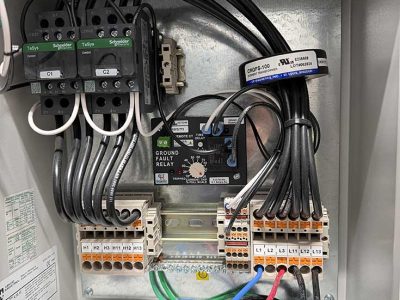
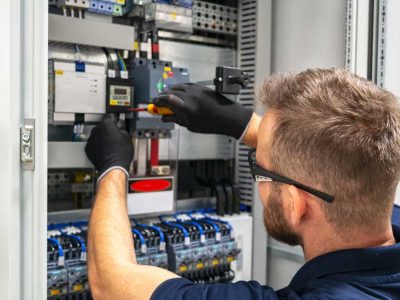
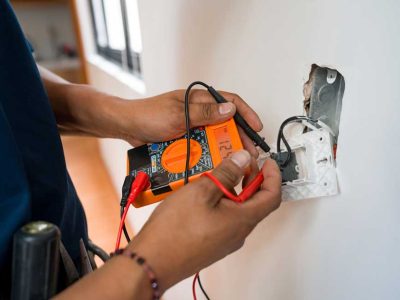
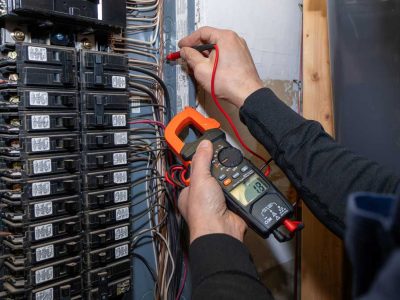
Schedule Grounding And Bonding Service
If your electrical system has grounding concerns, outdated components, or unexplained electrical issues, we can inspect the system and identify what needs to be corrected. Contact us to schedule service or request an estimate for professional grounding and bonding corrections.