Why Your Outlets Aren’t Working (And What’s Causing It in Your Home in Northern Colorado)
When a wall outlet stops working, it is usually not the receptacle itself that has failed. Instead, the problem is often a breakdown somewhere along the branch circuit supplying power to that outlet.
You might notice that a single outlet goes dead, multiple outlets lose power at the same time, or an outlet works intermittently until you plug in a high-draw appliance. What you are experiencing is typically a connection failure along the circuit line, such as a loose wire termination, a tripped safety device, or a degraded upstream connection.
Understanding what causes outlet failures helps you address the issue at its source before high-resistance connections create thermal damage or safety hazards in your home.
If You’re Just Trying To Figure Out What’s Wrong
Most dead or failing outlets trace back to a few common physical causes:
- A tripped circuit breaker or an upstream GFCI outlet that needs resetting
- A loose, corroded, or broken wire termination behind the outlet faceplate
- Internal contact clips inside the receptacle that have worn out and lost spring tension
- An overloaded circuit that has caused a connection point to overheat and break contact
- A failed wire nut splice or backstabbed connection further upstream in the circuit chain
For a deeper technical evaluation of branch line failures, explore our guide on Circuit Troubleshooting & Load Issues.
What an Outlet Failure Actually Is
Most outlet failures are connection failures, not power supply failures.
Inside every electrical outlet, copper conductors terminate at screw terminals or pressure clamps. Current flows from those wires through internal metal contact strips and into your appliance prongs. Under daily use, electrical load creates minor thermal expansion and contraction. Over time, if connections are not mechanically secure, resistance increases, localized heat builds up, and power delivery becomes unstable.
Types of Outlet Failures
- Intermittent Power: The outlet powers low-draw devices like lamps but cuts out completely when high-draw items like vacuums or hair dryers are turned on. Moving the power cord plug sometimes temporarily restores power.
- Mechanical Failure (Loose Outlets): Plugs feel loose when inserted and slide out under their own cord weight. Weak internal contact clips create poor physical contact, leading to micro-arcing and heat buildup.
- Complete Outlet Failure: The receptacle provides zero power. This is most frequently caused by a failed wire connection further upstream on the same circuit line.
Common warning signs include outlets that work only at specific angles, wall plates that feel warm to the touch, visible scorch marks around plug slots, or multiple rooms losing power simultaneously.
Primary Causes Behind Outlet Problems
Understanding how wire connections degrade helps prevent recurring failures.
- Loose Electrical Terminations: Screw terminals that were under-torqued during original installation can loosen further due to subtle vibrations and thermal cycling.
- Backstabbed Push-In Connections (Major Failure Point): Many builders use push-in “backstab” holes on the back of standard outlets to speed up installation. These internal spring clamps can lose tension over time, creating high-resistance contact points that overheat under heavy loads.
- Worn Receptacle Contact Clips: Plugging and unplugging devices thousands of times wears out the internal spring brass clips, reducing contact surface area and causing voltage drops.
- Thermal Stress From Overloading: Running high-wattage appliances on general-purpose outlets can heat the plastic housing and weaken metal components, accelerating electrical failure.
- Moisture and Corrosion: Outlets in basements, crawl spaces, or exterior walls can experience moisture intrusion, causing copper conductors to oxidize and lose conductivity.
If your home has experienced partial power outages, see our guide on Why Part of Your House Lost Power.
Intermittent Behavior and Upstream Failures
Intermittent power is one of the most frustrating issues homeowners face. It usually indicates a high-resistance connection somewhere along the circuit. Current may continue flowing under light demand, but when an appliance requires more amperage, the loose contact point heats up, expands, and interrupts the connection.
The Upstream Connection Effect
The dead outlet you are testing is frequently not where the actual failure occurred. Receptacles on a shared branch circuit are commonly wired in a sequence, meaning one failed connection can affect multiple downstream outlets.
A loose wire nut splice or a damaged backstab connection at an outlet in your hallway can cut power to several working outlets downstream in your bedroom or home office. A single tripped GFCI receptacle in a garage or bathroom can also shut off power to multiple standard outlets across different areas of the home.
Why Loose Outlets Are a Serious Safety Hazard
Loose outlets are more than just an inconvenience. They can become a serious electrical hazard and are a common source of overheating inside wall boxes.
When internal contact clips lose tension, the physical contact area between the plug prongs and the outlet decreases. Forcing electricity through a smaller contact point creates increased electrical resistance. That resistance generates localized heat, which can melt receptacle components, damage wire insulation, and create conditions that increase the risk of electrical fires.
If you smell burning plastic near an outlet or electrical panel, review our guide on Burning Smell or Overheating Electrical.
How We Install Outlets Differently for Long-Term Reliability
At RCI Electric, we do not rely on quick installation methods that can lead to premature outlet failures. We install receptacles using professional standards designed for long-term reliability, improved safety, and consistent electrical performance.
- Pigtail Wire Splicing: Instead of using the outlet receptacle itself as a pass-through connection for downstream outlets, we splice circuit conductors together inside the electrical box using secure wire connectors and run a short pigtail wire to the outlet. If one receptacle fails, downstream outlets can continue operating safely.
- Calibrated Screw Torque: Every wire termination screw is tightened to manufacturer specifications, helping prevent loose connections while avoiding damage caused by over-tightening.
- Zero Backstabbed Connections: We do not use push-in backstab terminals. We use secure side-screw terminals or commercial-grade clamp-style backwire connections that hold copper conductors firmly.
- Commercial-Grade Receptacles: We install durable, tamper-resistant outlets with strong internal spring contacts designed to maintain reliable plug tension over years of use.
To learn how proper branch wiring supports reliable outlets throughout your home, review Wiring Systems & Electrical Distribution.
Related Pages
Explore these related service pages to learn more about branch circuits, outlet issues, and electrical troubleshooting:
- Electrical Circuits & Wiring
- Dedicated Circuit Installation
- Circuit Upgrades & Expansion
- Breaker Replacement & Electrical Panel Repairs
- Wiring Systems & Electrical Distribution
Frequently Asked Questions
Intermittent power is usually caused by a loose wire termination or worn internal contact clip. Under light loads, electricity may continue flowing, but higher current demand causes the loose connection to heat up, expand, and break contact.
Yes. Loose plugs create poor physical contact with internal spring clips, increasing electrical resistance and creating the possibility of arcing. This heat buildup inside the wall box can damage the outlet and surrounding wiring.
Outlets are often connected together on the same branch circuit. A failed wire connection, loose terminal, damaged splice, or tripped GFCI receptacle upstream can interrupt power to all downstream outlets on that circuit.
Yes. Loose or arcing connections can create voltage fluctuations and sudden power interruptions that may affect sensitive electronics, computer equipment, and modern appliances.
A warm outlet or wall plate can indicate excessive resistance caused by loose terminal screws, degraded wire connections, or an appliance drawing more current than the outlet and circuit are designed to handle.
A backstabbed outlet uses push-in spring terminals on the back of the receptacle to hold wires instead of traditional screw terminals. Over time, these connections can lose tension and become a common failure point in residential wiring.
Check nearby GFCI outlets in areas such as bathrooms, kitchens, basements, garages, and exterior locations. Pressing the reset button on a tripped GFCI outlet may restore power to standard outlets connected downstream.
Replacing an outlet involves working with live electrical circuits and requires proper wiring techniques. Incorrect connections, loose terminals, or improper GFCI wiring can create serious shock and fire risks.
This can indicate a short circuit inside the outlet box, damaged wiring, a faulty appliance cord, or a circuit that is already operating near its maximum capacity. For related breaker issues, see Why Your Breaker Keeps Tripping.
The biggest risk is an undetected high-resistance connection or electrical arcing inside the wall box. These problems can damage wiring, overheat surrounding materials, and create a potential fire hazard.
Recent Projects




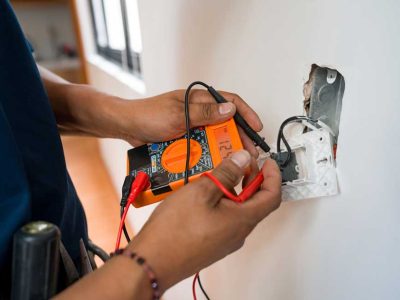
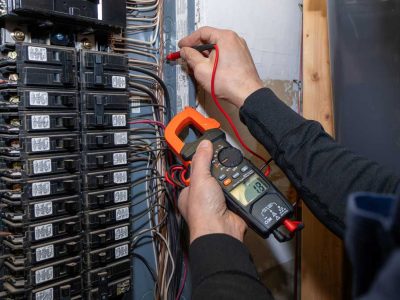
Call RCI Electric for Outlet Diagnostics and Repair in Northern Colorado
Outlet problems are not just about swapping out a plastic wall plate—they are about fixing how the circuit connection was built. At RCI Electric, we locate the true root cause of dead, loose, or overheating outlets across Fort Collins, Loveland, Evans, Greeley, and surrounding Northern Colorado communities.
Ready to resolve your home’s outlet issues safely? Call (970) 294-1208 or fill out our online form to schedule your service evaluation today.