Snow Melt Systems for Homes in Northern Colorado
Front Range winter weather can arrive without warning.
You wake up early, look outside, and find your driveway buried beneath heavy snow while your entry steps are covered with slick ice. Before heading to work, you are outside in freezing temperatures shoveling, spreading ice melt, and scraping packed snow from concrete.
Or worse, someone slips and gets hurt on an icy walkway.
Automated driveway and walkway snow melt systems can eliminate much of this winter maintenance. When properly designed and installed, these systems automatically heat designated outdoor surfaces during snow and freezing precipitation events, helping prevent accumulation before it bonds to the pavement.
- Less shoveling in freezing weather
- Reduced dependence on de-icing chemicals that can contribute to concrete deterioration
- Fewer opportunities for snow and ice to create hazardous walking surfaces
The system works quietly beneath the surface, activating when environmental conditions call for heat and shutting down when the surface no longer needs it.
Where Snow Melt Systems Deliver Safety & Convenience
Snow melt systems can be installed beneath outdoor slabs and high-exposure walkways where snow and ice regularly accumulate:
- Driveways & Steep Inclines: Help reduce snow and ice accumulation on sloped driveway approaches where traction is especially important.
- Front Entryways & Steps: Help maintain safer access for family members, guests, and delivery personnel.
- Paver & Stone Walkways: Keep architectural hardscapes clearer while reducing reliance on shoveling and chemical de-icers.
- Ramps & Accessible Routes: Help maintain more reliable access across frequently used pedestrian surfaces.
In mountain and foothill communities such as Estes Park, Nederland, and Red Feather Lakes, repeated freeze-thaw cycles can turn melting daytime snow into hard ice overnight. An automated snow melt system helps interrupt that cycle by providing controlled heat directly beneath the surface.
Electric Cable Grids vs. Hydronic Snow Melt Systems
Automated snow melting generally falls into two primary categories, with the right choice depending on heated surface area, installation conditions, available energy sources, and electrical service capacity.
Electric Resistance Snow Melt Systems
Electric systems use purpose-built resistance heating cables installed within concrete, asphalt, or beneath compatible paver systems.
- Ideal for targeted areas such as entry steps, walkways, patio paths, and selected driveway sections
- Provides responsive heating when the system activates
- Can be controlled by temperature and moisture sensors that detect conditions associated with snow or freezing precipitation
- Typically requires dedicated 240V or 208V circuits based on system specifications
Hydronic Snow Melt Systems
Hydronic systems circulate heated water or an approved glycol mixture through flexible tubing installed beneath outdoor surfaces.
- Well suited to larger driveways, expansive parking areas, and extensive snow melt zones
- Can be powered by compatible electric boilers, gas-fired boilers, or heat pump systems
- Electrical infrastructure may supply boiler elements, circulation pumps, controls, and associated equipment
Both approaches can provide effective snow and ice management, but large installations require careful electrical planning to accommodate the system’s demand.
Electrical Engineering, Continuous Load & Service Capacity
Electric snow melting equipment can represent a substantial continuous electrical load. Proper circuit design, overcurrent protection, grounding, and ground-fault protection are essential components of a safe installation.
For example, a 400-square-foot heated area operating at 35 watts per square foot would represent approximately 14,000 watts of connected heating load, or about 58 amps at 240 volts before applying applicable code requirements.
Key considerations include:
- Continuous Load Sizing: Conductors, overcurrent protection, contactors, and other electrical components must be sized according to the system’s rated load and applicable electrical code requirements.
- Ground-Fault Equipment Protection: Outdoor snow melting and de-icing equipment requires appropriate ground-fault protection to reduce the risk associated with damaged heating cables and leakage current.
- Automated Environmental Controls: Temperature and moisture sensors can monitor pavement conditions and activate the heating system when snow or freezing precipitation is detected.
- Service Capacity: Large driveway systems may require substantial electrical capacity. A load calculation should be completed before installation to determine whether the existing service can support the additional demand.
Adding a full-driveway electric snow melt system to an existing home can require a dedicated outdoor panel, additional circuits, or an electrical service upgrade depending on the property’s existing capacity.
Learn more about service capacity and high-amperage electrical systems:
- Load Calculations & Electrical System Planning
- 240V & High-Demand Circuits
- Electrical Service Upgrades
Designing Snow Melt Systems for Northern Colorado Winters
Snow melt performance depends on more than simply placing heating cable beneath a driveway. The system must be designed around the surface, climate, available electrical capacity, and expected snow conditions.
Heating density, cable spacing, insulation, slab construction, environmental controls, and drainage all influence how effectively the system performs.
A properly designed system also considers where melted snow will go. If water cannot drain away from the heated surface, it can refreeze along surrounding areas when the system shuts down.
For larger projects, electrical load calculations should be completed before equipment is selected. This allows the heating system, branch circuits, controls, and available service capacity to work together rather than forcing electrical upgrades after construction has already begun.
Related Pages
Explore these related service pages to learn more about environmental heating, freeze protection, and high-demand circuits:
- Electric Heating Systems
- Freeze Protection & Heat Tape Systems
- Driveways, Gates & Security Systems
- 240V & High-Demand Circuits
- Load Calculations & Electrical System Planning
Frequently Asked Questions
No. Automated systems are designed to operate when environmental conditions require heating rather than running continuously throughout the winter. Sensors can monitor temperature and moisture conditions and activate the system when snow or freezing precipitation is detected.
Energy consumption depends on the heated area, system wattage, outdoor conditions, electricity rates, and operating time. Many electric systems are designed around a specific watt-per-square-foot output, so larger heated areas naturally require more electrical capacity.
It depends on the condition and construction of the existing slab. Some retrofit approaches involve cutting channels into existing concrete for compatible heating cable, while new driveways provide the simplest opportunity to position heating elements correctly before the surface is installed.
Electric systems use resistance heating cables and are often well suited to smaller or targeted areas. Hydronic systems circulate heated fluid through tubing and can be advantageous for larger heated surfaces. The appropriate option depends on project size, available infrastructure, installation conditions, and operating requirements.
Yes. Electric snow melting equipment requires appropriate ground-fault protection and overcurrent protection based on the equipment and applicable electrical code. Outdoor heating systems should be installed according to manufacturer requirements and current local code.
Not necessarily. The answer depends on the size of the heating system and the home’s existing electrical capacity. A formal load calculation can determine whether the current service can support the additional demand or whether new circuits, a subpanel, or a service upgrade is necessary.
Performance varies based on system output, snowfall rate, pavement construction, outdoor temperature, and whether snow is already accumulated. Systems designed to activate as precipitation begins can prevent significant accumulation rather than relying on the system to melt several inches of packed snow afterward.
Yes. Compatible electric heating cables and hydronic tubing can be incorporated beneath certain paver installations. Proper installation must account for the paver assembly, bedding material, heating system specifications, drainage, and manufacturer requirements.
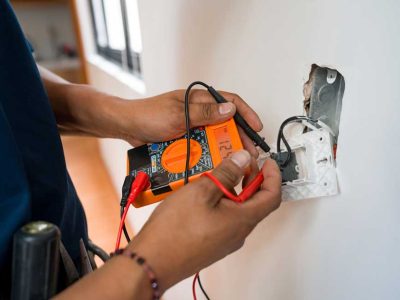
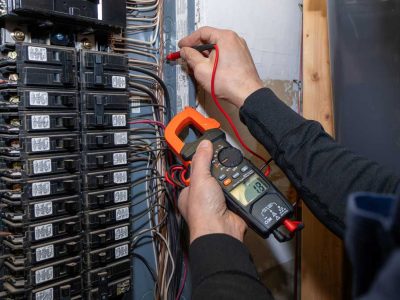
A heating cable fault can often be diagnosed using specialized electrical testing equipment. Depending on the system and the location of the fault, technicians may be able to identify the damaged section and perform a targeted repair rather than replacing the entire installation.
New dedicated circuits, outdoor electrical equipment, controls, and other associated wiring may require electrical permits and inspections depending on the project and local jurisdiction. RCI Electric LLC can help ensure the electrical portion of your installation follows applicable requirements.
Recent Projects




Schedule Professional Snow Melt System Services
Snow melt systems are not just about convenience. They can help reduce winter maintenance, improve access across high-traffic surfaces, and provide a controlled way to manage snow and ice around your property. At RCI Electric, we design and install custom outdoor snow melt electrical systems that are properly sized, safely protected, and built to handle the demanding conditions of Northern Colorado winters.
Call (970) 294-1208 or fill out our online form to schedule your expert service evaluation today.