Power-Loss Alert Systems for Homes in Northern Colorado
You rarely discover an electrical problem the exact second grid power drops out or a breaker trips.
You discover it hours or days later, when thousands of dollars in freezer inventory has spoiled, when a basement sump pump fails during a heavy downpour, or when critical home environmental controls shut down while you are away from home.
Power-loss alert systems are engineered to eliminate that dangerous delay. Instead of relying on manual spot-checks, these specialized monitored outlets and sensor networks actively track power presence and can notify your smartphone or security system when an electrical circuit loses voltage.
In homes across Loveland, Fort Collins, and surrounding Front Range communities, power-loss monitoring provides an essential safety net for high-consequence electrical loads.
Where Power-Loss Monitoring Is Essential
Power-loss alert systems are installed wherever an undetected circuit interruption could lead to property damage, equipment failure, or financial loss:
- Chest Freezers & Primary Refrigeration: Preventing food spoilage during unnoticed breaker trips or localized circuit failures.
- Basement Sump Pumps & Pit Systems: Warning homeowners of pump power loss before rising groundwater causes basement flooding.
- Aquariums, Terrariums & Fish Tanks: Safeguarding filtration pumps, water heaters, and aeration systems that maintain delicate aquatic environments.
- Medical Equipment & Home Health Devices: Providing power monitoring for oxygen concentrators and other specialized home equipment.
- Remote Properties, Cabins & Vacation Homes: Sending remote notifications during winter freezes so pipe freeze-protection systems can be verified.
- Network & Security Infrastructure: Alerting homeowners when modems, Wi-Fi routers, or security hubs lose primary line voltage.
How Power-Loss Detection Operates
A standard electrical outlet is entirely passive. When power disappears, the outlet simply ceases to function and cannot communicate. Power-loss alert systems overcome this limitation through off-site cloud monitoring, battery backups, cellular communication, or dedicated low-power sensors.
Alert systems can detect failures through several communication pathways:
- Active Line Sensing: The monitoring device constantly tracks 120V or 240V line voltage. If voltage drops to zero, an internal capacitor or battery backup can provide enough temporary energy to transmit an alert over Wi-Fi, cellular networks, or other supported communication systems.
- Cloud Heartbeat Monitoring: Off-site cloud servers periodically check the monitored device. If an outage or breaker trip disconnects the device from the network, the missing communication can trigger a push notification, SMS message, or other alert.
- Auxiliary Battery Backup: Uninterruptible Power Supply (UPS) systems can keep network modems, routers, and smart hubs operating during a blackout, helping ensure the outage notification reaches your mobile device.
Types of Power-Loss Alert Systems
Selecting the right monitoring architecture depends on the equipment being protected and how quickly you need to know about a power interruption.
Dedicated Hardwired Power-Loss Sensors
These systems are engineered for critical equipment and can incorporate line-voltage relays, battery backups, and cellular or other communication systems. They can operate independently from a home’s primary Wi-Fi network, providing an additional layer of reliability.
Smart Outlet Monitoring Receptacles
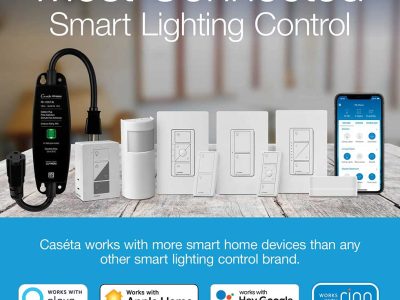
Smart receptacles equipped with power-sensing technology can notify a connected smartphone app when line voltage disappears or a monitored device goes offline. This can be a practical option for refrigerators, chest freezers, and other individual loads.
UPS-Integrated Power & Network Monitors
Critical equipment and network hardware can be connected to a smart UPS battery backup system. A UPS can absorb minor power interruptions, provide surge protection, and communicate when utility power remains unavailable.
Environmental Multi-Sensor Controllers
Advanced monitoring stations can track electrical power loss alongside room temperature, humidity, and water leaks. These systems are particularly useful in basement sump areas, mechanical rooms, and remote properties where early warnings can help prevent freeze or flood damage.
Leading Hardware & System Manufacturers
Reliability is paramount when protecting high-value assets. We install monitoring hardware and supporting systems from established manufacturers, selecting equipment according to the requirements of each application:
- Sensaphone / Temp Alert: Monitoring solutions for environmental conditions and power-loss events using cellular, phone, or network communication.
- TP-Link Kasa / Tapo: Smart plug systems offering cloud-based device alerts and energy monitoring capabilities.
- APC / Schneider Electric: UPS and power-management equipment designed to help maintain network connectivity and critical equipment during outages.
- Ubiquiti / UniFi: Network infrastructure that can support power monitoring, connectivity management, and equipment visibility.
Critical Technical Considerations & Installation Planning
Simply plugging a smart device into a wall is not enough to guarantee reliable outage alerts. Successful power-loss monitoring requires careful system design:
- Isolating Local Circuit Failure vs. Grid Outages: An alert system should distinguish between a full utility blackout and a tripped GFCI or breaker affecting one circuit.
- Maintaining Communication During Blackouts: If an outage shuts down your home Wi-Fi router, a basic Wi-Fi smart plug may not be able to send an alert. Network equipment can be backed up with a UPS, or the monitoring system can use cellular connectivity.
- Avoiding Nuisance Trips: Chest freezers and sump pumps can draw significant starting current. Monitored outlets must be properly rated for the connected equipment and its operating characteristics.
Learn more about Specialty Outlet Systems, Backup Power for Homes, and Generator vs. Battery Backup to explore related solutions.
Related Pages
Explore these related service pages for more information about specialty outlets, backup power, and smart electrical controls:
- Specialty Outlet Systems
- Backup Power for Homes
- Generator vs. Battery Backup
- Smart Outlets & Energy Monitoring
Frequently Asked Questions
Systems can send alerts through an internal backup battery, cloud monitoring that detects when a device stops communicating, or cellular connectivity that remains available when local internet service is unavailable.
Yes. If a freezer, sump pump, or other critical appliance is connected to a monitored outlet, a GFCI trip can interrupt power to the sensor and trigger an alert even when the rest of the home still has electricity.
Standard Wi-Fi smart plugs depend on your home’s network. If a utility outage also shuts down your router, the plug may not be able to communicate. A more reliable setup can combine monitoring with a UPS-backed network or cellular communication.
Yes, when the monitoring system includes an appropriate backup communication method, such as cellular connectivity or a battery-backed network router.
Yes. Multi-sensor monitoring systems can track electrical power and environmental conditions such as freezer or room temperature. This can provide an additional warning if temperatures become unsafe even when electrical power remains connected.
Basic plug-in monitoring modules can be relatively simple to install. Hardwired sensors, panel-level monitoring, and UPS-backed network systems require professional installation to ensure proper line sensing, equipment compatibility, and electrical safety.
Basic app-based monitoring may be available without a recurring fee. Specialized cellular monitoring and professional monitoring services can require a monthly or annual data or monitoring plan.
A reliable setup can combine a properly protected dedicated circuit, a battery-backed power-loss sensor, and a high-water monitoring device. This provides alerts for both electrical interruptions and unexpectedly rising water levels.
Yes. Cellular-based monitoring systems can provide alerts without relying exclusively on local Wi-Fi, making them useful for remote properties where utility power, heating equipment, and freeze protection need to be monitored.
Plug-in monitoring modules generally do not require electrical permits. Hardwiring new monitoring circuits, adding electrical equipment, or modifying panel connections may require permits and inspections depending on the work and local requirements.
Recent Projects




Schedule Professional Power-Loss Alert System Services
Power-loss alert systems are not about adding another outlet. They are about knowing when something stops working behind the scenes before it causes significant damage or loss. At RCI Electric, we design and install custom power-monitoring systems that keep you informed and in control of your home’s most critical equipment.
Call (970) 294-1208 or fill out our online form to schedule your expert service evaluation today.