Smart Switches & Lighting Controls in Northern Colorado
A standard light switch is completely passive. It simply opens or closes an electrical circuit when flipped by hand.
When home lighting is tied strictly to traditional wall toggles, managing your home’s security, atmosphere, and energy efficiency requires walking to every room to flip switches manually. Leaving exterior lights on while traveling, walking into a dark house with armfuls of groceries, or leaving basement lights running overnight are daily headaches caused by passive control.
Smart switches replace basic mechanical wall controls with intelligent, connected microprocessors.
By integrating Wi-Fi, Z-Wave, or proprietary wireless mesh radios into standard in-wall switch bodies, smart switches grant complete control over your home’s lighting through smartphone apps, voice assistants, automated schedules, and astronomical sensors.
Where Smart Switches Belong
In-wall smart switches transform how lighting is managed across every primary living area:
- Exterior & Landscape Lighting: Automating porch, patio, soffit, and security lights to turn on at dusk and turn off at dawn based on astronomical clock data.
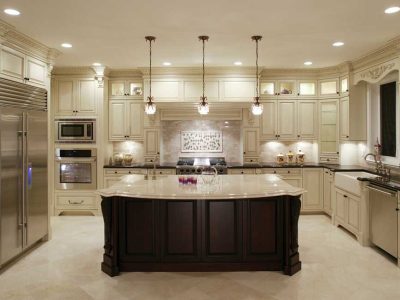
- Open Kitchens & Great Rooms: Controlling multi-fixture lighting layouts, including recessed downlights, island pendants, and under-cabinet LEDs, through custom preset scenes triggered from a single wall button.
- Entryways & Hallways: Setting automated “Welcome Home” lighting paths that illuminate entrance corridors as you arrive after dark.
- Primary Bedrooms & Nursery Spaces: Dimming or shutting off home lighting directly from your bedside without getting out of bed.
- Basements, Garages & Utility Rooms: Ensuring high-wattage shop lights, exhaust fans, or basement circuits cut power automatically after a set period of inactivity.
In custom builds, basement finishing electrical projects, and primary remodels across Loveland, Fort Collins, and surrounding Front Range communities, smart switches provide an accessible entry point into home automation.
Types of Smart Switch Architectures
Selecting the ideal smart switch ecosystem depends on your home’s square footage, Wi-Fi router capacity, and desired level of automation complexity.
Direct Wi-Fi Smart Switches
- Description: In-wall switches equipped with onboard Wi-Fi chips that connect directly to your home’s 2.4GHz Wi-Fi router without requiring a separate central hub.
- Application: Ideal for smaller homes or targeted upgrades, such as controlling exterior lights or a kitchen lighting bank, where you want fast, app-based scheduling without additional bridge hardware.
Hub-Based & Mesh Network Systems
- Description: Smart switches communicate over dedicated wireless mesh protocols such as Z-Wave, Zigbee, or Lutron Clear Connect to a local bridge or smart hub.
- Application: Well suited for whole-home lighting upgrades with numerous smart switches. Mesh protocols can reduce Wi-Fi network congestion and provide responsive local control.
Smart Dimmers & Multi-Location Companion Switches
- Description: Advanced smart switches incorporate microprocessor-based phase dimming and companion remote switches for 3-way and 4-way hallway or staircase lighting circuits.
- Application: These systems replace multi-switch arrangements so lighting can be dimmed smoothly from multiple wall locations or controlled through voice commands.
For broader lighting improvements, our whole-home lighting upgrades can coordinate smart controls with new fixtures and improved lighting layouts.
Technical Considerations: Neutral Wires & Load Ratings
Upgrading to smart switches requires careful evaluation of your home’s existing wall box wiring and electrical loads:
- Neutral Wire Requirement: Standard mechanical switches typically interrupt the hot conductor. Many smart switches require a continuous neutral conductor inside the wall box to power their internal radios and processors. Older homes without neutral conductors may require specialized no-neutral smart switches.
- Wattage & Load Compatibility: Smart switches feature electronic relays with maximum ratings for LED, incandescent, and inductive motor loads. High-draw bathroom heaters or heavy shop motors should never be connected to a lighting-rated smart switch.
- Junction Box Depth & Wire Volume: Smart switches often have deeper device bodies than mechanical toggles. Electricians verify adequate box volume under NEC Article 314 so wiring is not overcrowded or pinched during installation.
If existing wiring or device locations need to change, electrical relocation and layout changes can help create the right foundation for a modern control system.
Leading Hardware Manufacturers
Internal radio stability, app security, and mechanical switch feedback all influence how reliably a smart switch performs. We specify quality hardware from leading manufacturers:
- Leviton: Decora Smart switches and dimmers support direct Wi-Fi, Z-Wave, and modern smart-home connectivity.
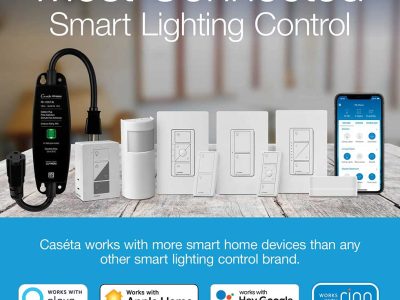
- Lutron: Caséta and RadioRA 3 systems provide reliable wireless lighting control using Lutron’s proprietary Clear Connect technology.
- TP-Link: Kasa and Tapo smart switches provide direct Wi-Fi control with app scheduling and voice-assistant integration.
- GE / Enbrighten: Z-Wave and QuickFit smart switches provide flexible options for residential applications.
- Legrand: radiant and adorne smart controls combine connected functionality with design-focused screwless wallplates and dimming options.
For homes that need broader automation beyond individual switches, smart controls and automation can connect lighting with other household systems.
Related Electrical Services
Smart lighting works best when it is planned alongside the rest of your home’s electrical system. Explore our switches and dimmers for additional control options, or see our basic devices and switching systems for conventional electrical controls.
If you’re upgrading an entire lighting layout, our lighting installation and upgrade services can help coordinate fixtures, controls, and electrical distribution. Homes that rely on backup power can also benefit from backup power systems designed to keep essential electrical systems operating during outages.
Frequently Asked Questions
Many standard Wi-Fi smart switches require a neutral wire to power their internal electronics continuously. Homes without neutral conductors in switch boxes may be compatible with specialized no-neutral systems, depending on the switch and lighting load.
Yes. Most smart switches retain physical buttons or rockers, allowing you to operate connected lighting manually even when the home’s internet connection is unavailable.
A smart bulb contains its control technology inside the bulb and generally needs continuous power. A smart switch replaces the wall control, allowing compatible standard fixtures to be controlled through an app, voice assistant, schedule, or physical switch.
Only when the device is specifically rated for the motor load. Standard lighting smart switches should not be connected to high-draw fan motors. Dedicated fan control systems are a better choice for ceiling and exhaust fans.
Astronomical schedules use location information to calculate local sunrise and sunset times. The system can then adjust exterior lighting schedules throughout the year as daylight hours change.
Yes. Multi-location smart systems can use a primary smart switch with companion controls or compatible wireless remotes to operate lighting from multiple locations.
Many modern smart switches integrate with major voice-assistant and smart-home platforms. Compatibility varies by manufacturer and specific model, so the control ecosystem should be selected before installation.
A large number of direct Wi-Fi devices can place additional demands on a basic home router. For larger installations, hub-based systems such as Z-Wave or Lutron can keep lighting controls from consuming as much Wi-Fi bandwidth.
Quality smart switches from recognized, properly certified manufacturers include protective circuitry, but they should still be installed on electrical systems with appropriate surge protection. For whole-home protection, consider whole-home surge protection.
Requirements depend on the scope of work and local jurisdiction. A straightforward replacement may be treated differently from adding new boxes, running new wiring, or modifying circuits. RCI Electric LLC can evaluate the installation and identify when permitting and inspection are required.
Recent Projects


Schedule Professional Smart Switch Services
Smart switches do more than replace mechanical wall controls. They give you greater control over how lighting works throughout your home while making everyday routines more convenient.
At RCI Electric, we design and install properly rated smart switch systems that integrate cleanly with your home’s electrical setup and operate reliably every day.
Call (970) 294-1208 or fill out our online form to schedule your expert service evaluation today.