Timer & Scheduled Switches in Northern Colorado
Exterior lighting, landscape accent paths, and security perimeter lights should not depend on whether someone remembers to flip a wall toggle at dusk.
When outdoor and security lighting relies on manual switching, homes can be left dark when families return after work or lights can remain on throughout the day after being turned on the night before. Walking around the house before bed to check every security light, porch light, and decorative display also wastes time and energy.
Timer and scheduled switches replace inconsistent habits with reliable automated control.
By replacing basic mechanical wall switches with digital, astronomical, or smart scheduling controls, scheduled switches ensure your exterior and security lighting turns on at the right time every day, delivering convenience, security, curb appeal, and energy efficiency whether you are home or away.
Where Scheduled Switches Deliver Maximum Value
Automated timing controls are especially useful for electrical systems that follow predictable daily or seasonal routines:
- Exterior Porch & Entryway Lighting: Ensuring front porch, garage coach lights, and side entries illuminate automatically before dark to welcome family and improve visibility around entrances.
- Landscape & Pathway Accent Lights: Running low-voltage garden lighting, tree uplights, and walkway markers on precise evening schedules without leaving them on unnecessarily.
- Security & Flood Lighting: Managing perimeter floodlights to provide consistent nighttime visibility around driveways, side yards, and other areas around the property.
- Holiday & Accent Lighting: Automating seasonal string lights, roofline displays, and decorative accents so they operate during preferred evening hours.
- Bathroom & Utility Exhaust Fans: Using countdown timer switches to run bathroom exhaust fans after showers and shut them off automatically once the selected runtime expires.
In custom home builds, exterior upgrades, and remodels across Loveland, Fort Collins, and surrounding Northern Colorado communities, scheduled switches provide dependable hands-free control.
For broader exterior improvements, our outdoor lighting systems can incorporate automated scheduling into a complete lighting plan.
Types of Timer & Scheduled Switch Systems
Selecting the ideal scheduling technology depends on whether your lighting follows fixed hours, changes with sunrise and sunset, or needs remote app management.
Astronomical Digital Timers
- Description: In-wall digital switches use geographic location data to calculate local sunrise and sunset times throughout the year. Their schedules automatically adjust as daylight hours change between seasons.
- Application: An excellent choice for outdoor porch, soffit, security, and landscape lighting where fixed clock schedules can become inaccurate as the seasons change.
Programmable 7-Day Digital Timers
- Description: These controls allow homeowners to create different on and off schedules for weekdays, weekends, and other recurring routines. Many models also preserve programming during power interruptions.
- Application: Useful for interior security lighting, recurring displays, and other applications that follow consistent weekly schedules.
Countdown Timer Switches
- Description: Push-button controls offer preset runtime durations, such as 5, 10, 20, 30, or 60 minutes, before automatically switching the connected load off.
- Application: Particularly useful for bathroom exhaust fans, heat lamps, attic ventilation, and other equipment that should not operate continuously.
Smart App-Scheduled Switches
- Description: Connected Wi-Fi or Z-Wave switches can be managed through smartphone apps or compatible smart home hubs. They can combine scheduled operation with astronomical timing, remote access, and customized routines.
- Application: Ideal for homeowners who want to manage lighting schedules remotely or integrate them with broader home automation.
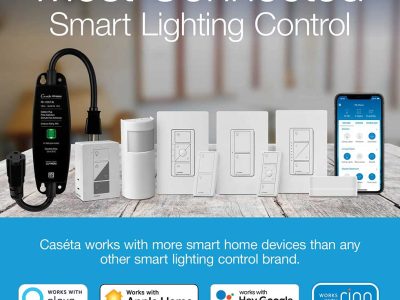
Our smart switches and lighting controls can provide additional automation options when scheduled lighting is part of a larger smart home strategy.
Key Benefits: Energy Efficiency, Security & Longevity
Scheduled switches deliver several practical advantages over manual wall controls:
- Improved Home Security: Consistent lighting schedules can create a lived-in appearance by activating selected exterior and interior lights while you are home or traveling.
- Reduced Energy Waste: Timers prevent floodlights, porch lights, and exhaust fans from operating unattended for extended periods.
- Extended Fixture Life: Limiting unnecessary operating hours can reduce total burn time and help preserve LED drivers and other lighting components.
- Automatic Seasonal Adjustments: Astronomical controls automatically account for changing daylight conditions, reducing the need to repeatedly adjust outdoor lighting schedules.
If lighting is already operating unpredictably, our lighting problems and troubleshooting services can help identify whether the issue involves the switch, fixture, wiring, or circuit.
Technical Considerations & Installation Planning
Installing scheduled switches requires attention to wiring configurations, internal clock memory, and fixture load compatibility:
- Neutral Wire Requirement: Many digital and astronomical timer switches require a continuous neutral conductor inside the wall box to power their internal electronics and displays.
- Battery Backup & Memory: Quality digital timers use backup batteries or non-volatile memory to preserve programmed schedules and clock information during power interruptions.
- Load Rating Compatibility: Timer switches have specific ratings for LED lighting, motors, and other electrical loads. The selected control must be rated for the connected equipment to prevent premature failure or unsafe operation.
- Existing Wiring Configuration: Older wall boxes may not have the conductors required by newer digital controls. An electrician can inspect the existing wiring and identify an appropriate timer or scheduled control before installation.
For larger electrical changes, our electrical relocation and layout change services can help coordinate new switch locations and wiring during a remodel.
Industry-Leading Hardware Manufacturers
Clock accuracy, relay durability, programming features, and overall build quality all influence how reliably a scheduled switch performs. We work with established manufacturers, including:
- Intermatic: A long-standing manufacturer of digital timers, astronomical controls, and scheduling equipment.
- Leviton: Offers digital countdown timers, programmable controls, and smart scheduling solutions for residential applications.
- Legrand: Provides design-focused timer switches with clean interfaces and modern wallplate options.
- Eaton / Cooper: Manufactures residential and commercial timer controls designed for dependable operation in demanding applications.
Related Electrical Services
Explore our switches and dimmers for additional lighting control options or basic devices and switching systems for conventional switching solutions.
For exterior applications, yard, garden, and irrigation electrical systems can benefit from carefully planned scheduling and automated controls. Homeowners looking to improve outdoor entertaining areas can also explore our outdoor kitchens and cooking areas electrical services.
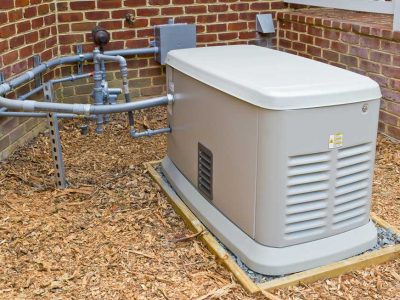
For homes that need continued operation during utility outages, backup power for homes can be integrated into a broader electrical reliability plan.
Frequently Asked Questions
An astronomical timer switch uses geographic location data to calculate local sunrise and sunset times. It can automatically turn outdoor lights on and off according to changing daylight conditions throughout the year.
Quality astronomical timer switches can automatically account for Daylight Saving Time changes. Exact features vary by model, so the manufacturer’s specifications should be reviewed before installation.
Many modern digital and astronomical timer switches require a neutral conductor to continuously power their internal electronics. The wiring configuration should be verified before selecting a specific control.
Depending on the model, a digital timer may use backup battery power or non-volatile memory to preserve its programmed schedule. The duration of backup operation varies by product.
A countdown timer allows you to select a specific operating period when leaving the bathroom. The fan continues removing moisture before automatically shutting off, reducing the chance of leaving it running unnecessarily.
Yes, provided the combined electrical load remains within the timer’s rated capacity and the connected fixtures are compatible with the control.
Many digital and astronomical timer switches provide a manual override function. This allows the connected lighting to be switched on or off temporarily without permanently changing the programmed schedule.
Yes, many are designed specifically for LED loads. The timer must be rated for the type and total load of the connected fixtures to ensure reliable operation.
A digital timer operates according to its internal programming, while a smart scheduled switch can connect to a home network or smart hub. Smart controls may provide remote scheduling, app management, voice control, and integration with other home automation routines.
Permit requirements depend on the scope of the electrical work and local jurisdiction. Replacing an existing switch may be treated differently from adding new wiring, relocating a wall box, or modifying a circuit. RCI Electric LLC can evaluate the installation and identify applicable requirements.
Recent Projects

Schedule Professional Timer & Scheduled Switch Services
Timer and scheduled switches bring consistency, security, and efficiency to your home’s lighting setup.
At RCI Electric, we install properly rated astronomical, digital, and countdown timer controls that reduce manual guesswork and keep your lighting operating according to your schedule.
Call (970) 294-1208 or fill out our online form to schedule your expert service evaluation today.